Sign in once to follow Gachagua Judgment Sparks Intense Legal and Political Debate as Experts Clash Ove…, pin Nyakundi, and come back to the same story as it develops.
Hours after the High Court delivered its judgment, Rigathi Gachagua rejected the decision to uphold his impeachment and instructed his legal team to appeal. He argued that the judges had contradicted themselves by finding that his constitutional rights to a fair hearing and fair administrative action had been violated, yet allowing the impeachment to stand. The appeal marked the beginning of a new legal battle that could ultimately end at the Supreme Court and determine whether he can hold public office again.
## June 10, 2026 – Wamunyoro Becomes Gachagua's Political Command Centre
In one of his most consequential political decisions since leaving office, Gachagua announced a 45-day retreat to his Wamunyoro home in Nyeri. Rather than...
Hours after the High Court delivered its judgment, Rigathi Gachagua rejected the decision to uphold his impeachment and instructed his legal team to appeal. He argued that the judges had contradicted themselves by finding that his constitutional rights to a fair hearing and fair administrative action had been violated, yet allowing the impeachment to stand. The appeal marked the beginning of a new legal battle that could ultimately end at the Supreme Court and determine whether he can hold public office again.
June 10, 2026 – Wamunyoro Becomes Gachagua's Political Command Centre 
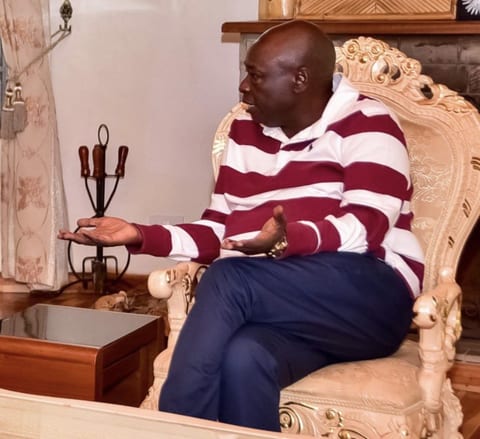
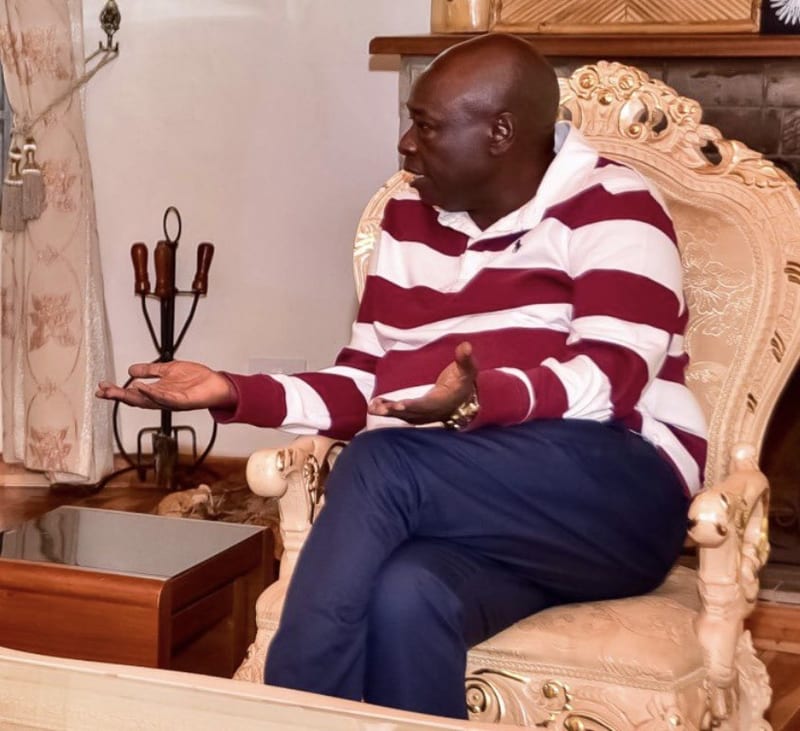
In one of his most consequential political decisions since leaving office, Gachagua announced a 45-day retreat to his Wamunyoro home in Nyeri. Rather than disappearing from the political scene, he presented the retreat as a period of reflection, consultation, and strategic planning. The move effectively transformed his rural residence into the headquarters of his post-impeachment political comeback.
June 10, 2026 – Retreat Signals Shift from Courtroom Survival to Political Rebuilding 
The former Deputy President said the 45-day period would be dedicated to consultations with elders, religious leaders, professionals, youth representatives, political allies, and grassroots supporters. The objective was not only to assess the court ruling but also to chart a path forward for his political movement after impeachment.
June 9, 2026 – Gachagua Declares Impeachment Fight Far From Over 
Despite the High Court ruling, Gachagua insisted that his political career remained alive and that the legal process was not complete. He maintained that until all appeals are exhausted, the question of his eligibility for future elective office remains unresolved. The statement was interpreted as a direct message to both supporters and rivals that he had no intention of exiting national politics.
June 9, 2026 – Opposition Unity Becomes Gachagua's New Political Mission 
During the announcement of his retreat, Gachagua shifted focus from his personal legal troubles to the broader opposition movement. He argued that defeating President William Ruto in 2027 would require opposition leaders to unite behind a single presidential candidate, describing opposition unity as a national priority.
June 9, 2026 – Begins Consultations on 2027 Political Realignment 
The 45-day retreat was also intended to facilitate extensive discussions on the future structure of the opposition. Gachagua indicated that consultations would help determine whether he should seek the presidency himself or support another opposition figure, signaling the beginning of a major political realignment ahead of the 2027 elections.
June 9, 2026 – From Impeached Deputy President to Opposition Power Broker 
The aftermath of the court ruling saw Gachagua reposition himself politically. Rather than focusing solely on reversing his impeachment, he began portraying himself as a key architect of opposition unity and a central figure in efforts to build a coalition capable of challenging the Kenya Kwanza administration in 2027.
June–July 2026 – Political Activities Shift Behind Closed Doors 
During the retreat period, Gachagua scaled down public rallies and political tours in favor of private strategy meetings. The move was designed to allow him to reassess his political future, coordinate legal challenges, and build alliances while staying largely out of the public spotlight.
June 2026 – The Wamunyoro Retreat Marks the Beginning of Gachagua's Political Comeback Attempt 
While critics viewed the retreat as a response to a devastating legal setback, supporters saw it as the first step in rebuilding Gachagua's political influence. The retreat represented a transition from defending his position as former Deputy President to redefining himself as a national opposition leader preparing for the battles ahead.
These titles read more like milestones in a political biography or documentary timeline rather than simple news events.
Rigathi Gachagua has had one of the most dramatic political careers in modern Kenyan history. His journey spans the provincial administration, Parliament, the Deputy Presidency, a historic impeachment, and a return to opposition politics.
1965–1990: Early Life and Education
28 February 1965
Rigathi Gachagua was born in Hiriga Village, Nyeri County, into a family associated with the Mau Mau struggle. His parents were freedom fighters during Kenya's independence movement.
1985–1988
Studied at the University of Nairobi and graduated with a Bachelor of Arts degree in Political Science and Literature.
1990
Undertook paramilitary training at the Administration Police Institute before joining government service.
1990–2006: Government...
Rigathi Gachagua has had one of the most dramatic political careers in modern Kenyan history. His journey spans the provincial administration, Parliament, the Deputy Presidency, a historic impeachment, and a return to opposition politics.
1965–1990: Early Life and Education 28 February 1965
Rigathi Gachagua was born in Hiriga Village, Nyeri County, into a family associated with the Mau Mau struggle. His parents were freedom fighters during Kenya's independence movement.
1985–1988
Studied at the University of Nairobi and graduated with a Bachelor of Arts degree in Political Science and Literature.
1990
Undertook paramilitary training at the Administration Police Institute before joining government service.
1990–2006: Government Administrator
Gachagua spent much of the 1990s and early 2000s in government administration.
Key Roles District Officer Personal Assistant to then Local Government Minister Uhuru Kenyatta Personal Assistant to the Head of Public Service Assistant Secretary in the Ministry of Home Affairs and National Heritage
These positions helped him build connections within Kenya's political establishment.
2007–2016: Business and Political Mobilization
Following the end of the Kibaki administration era, Gachagua moved increasingly into business and local political mobilization within the Mt. Kenya region.
During this period, he established himself as one of the key political organizers aligned with Uhuru Kenyatta's political interests in Central Kenya.
2017: Entry into Elective Politics August 2017
Gachagua was elected Member of Parliament for Mathira Constituency.
Parliamentary Profile
As MP, he quickly became one of the most vocal defenders of Deputy President William Ruto during the fallout between Ruto and President Uhuru Kenyatta following the 2018 Handshake.
2021–2022: Corruption Cases and National Spotlight July 2022
A Kenyan court ordered Gachagua to repay approximately KSh 202 million after finding the money was proceeds of corruption. The ruling became a major issue during the 2022 election campaign.
Despite the controversy, Gachagua remained one of Ruto's strongest allies.
May 2022: Ruto Picks Gachagua 15 May 2022
William Ruto selected Rigathi Gachagua as his running mate for the 2022 General Election.
Several prominent Kenya Kwanza leaders had been considered, but Gachagua was chosen largely because of his influence in the Mt. Kenya region.
August–September 2022: Election Victory 9 August 2022
Kenya held its General Election.
15 August 2022
Ruto and Gachagua were declared winners.
13 September 2022
Rigathi Gachagua was sworn in as Kenya's Deputy President.
2022–2023: Deputy Presidency
During his first year in office, Gachagua became known for:
"Shareholder" Politics
He frequently argued that regions that voted for Kenya Kwanza deserved priority in government appointments and development.
Critics argued these remarks encouraged exclusionary politics.
Supporters viewed them as recognition of electoral support.
Mount Kenya Leadership
He increasingly positioned himself as the political spokesman of the Mt. Kenya region.
This would later create friction with other leaders within the ruling coalition.
2024: Growing Rift with President Ruto
The relationship between Ruto and Gachagua deteriorated significantly during 2024.
June–July 2024: Gen Z Protests
Nationwide protests erupted over the Finance Bill and rising cost of living.
The unrest exposed divisions within government.
Several observers noted that Gachagua's public messaging increasingly differed from that of President Ruto.
September 2024: Open Political War
By September, many Kenya Kwanza MPs had openly turned against Gachagua.
Accusations included:
Undermining the President Ethnic mobilization Corruption Violating his oath of office Disrespecting state institutions
The conflict had moved from internal party disagreements into a full-blown political battle.
October 2024: Historic Impeachment 1 October 2024
An impeachment motion against Gachagua was formally introduced in Parliament.
The motion contained 11 charges.
8 October 2024 National Assembly Vote
The National Assembly overwhelmingly voted to impeach Gachagua.
Results:
Vote Count For impeachment 281–282 MPs Against 44 MPs Abstentions 1
This marked the first time a Deputy President faced successful impeachment proceedings in Kenya's constitutional history.
9 October 2024
The Senate announced it would hear the impeachment case in plenary rather than through a special committee.
11 October 2024
The High Court referred constitutional challenges to Chief Justice review while allowing the broader legal questions to proceed.
16 October 2024 Senate Trial Begins
Gachagua personally appeared before the Senate.
For all 11 charges, he responded:
"Not guilty."
The charges included:
Corruption Ethnic discrimination Undermining government Violating the Constitution Gross misconduct
17 October 2024 Hospitalization
Just before cross-examination and final voting, Gachagua was admitted to hospital with chest pains.
His lawyers requested adjournment.
The Senate declined the request and continued proceedings.
Senate Vote
The Senate upheld five of the eleven impeachment charges.
Speaker Amason Kingi declared that Rigathi Gachagua had ceased to hold office.
He became:
The first Deputy President in Kenyan history to be removed through impeachment.
18 October 2024
President Ruto nominated Kithure Kindiki to replace Gachagua.
A court temporarily halted the swearing-in process.
31 October – 1 November 2024
The court lifted the temporary orders.
Kithure Kindiki was sworn in as Deputy President.
Gachagua's term officially ended.
2025: Return to Politics Early 2025
After months of legal battles, Gachagua launched an aggressive political comeback.
He began touring Mt. Kenya and opposition strongholds criticizing President Ruto's administration.
15 May 2025
Gachagua launched the:
Democracy for the Citizens Party (DCP)
The party was designed to serve as his new political vehicle after the collapse of his relationship with Kenya Kwanza.
September 2025
Gachagua publicly declared his intention to challenge President William Ruto in the 2027 General Election.
2026: Court Battle Over Impeachment June 2026
A three-judge High Court bench delivered a highly anticipated ruling on the legality of Gachagua's impeachment process.
The judgment focused on:
Whether due process was followed Whether his right to a fair hearing was violated Whether the Senate should have adjourned after his hospitalization
The case remains one of the most consequential constitutional disputes in recent Kenyan history.
Key Historical Milestones Year Event 1965 Born in Nyeri 1990 Joined public administration 2017 Elected Mathira MP May 2022 Chosen as Ruto's running mate Sept 2022 Sworn in as Deputy President 2024 Relationship with Ruto collapses Oct 2024 Impeached by Parliament Oct 2024 First Deputy President removed from office May 2025 Launches DCP party Sept 2025 Announces 2027 presidential bid June 2026 High Court rules on impeachment dispute Why Gachagua Matters
Few Kenyan politicians have experienced such a rapid rise and fall. In less than three years, Rigathi Gachagua moved from being William Ruto's most trusted political lieutenant to becoming the first Deputy President ever impeached under Kenya's 2010 Constitution. His impeachment reshaped Mt. Kenya politics, altered the balance of power within Kenya Kwanza, and positioned him as one of the most significant opposition figures heading toward the 2027 General Election.
riggy g
Visual file
Latest media in this story
Photos and videos from the update stream, linked back to the exact moment they entered the file.