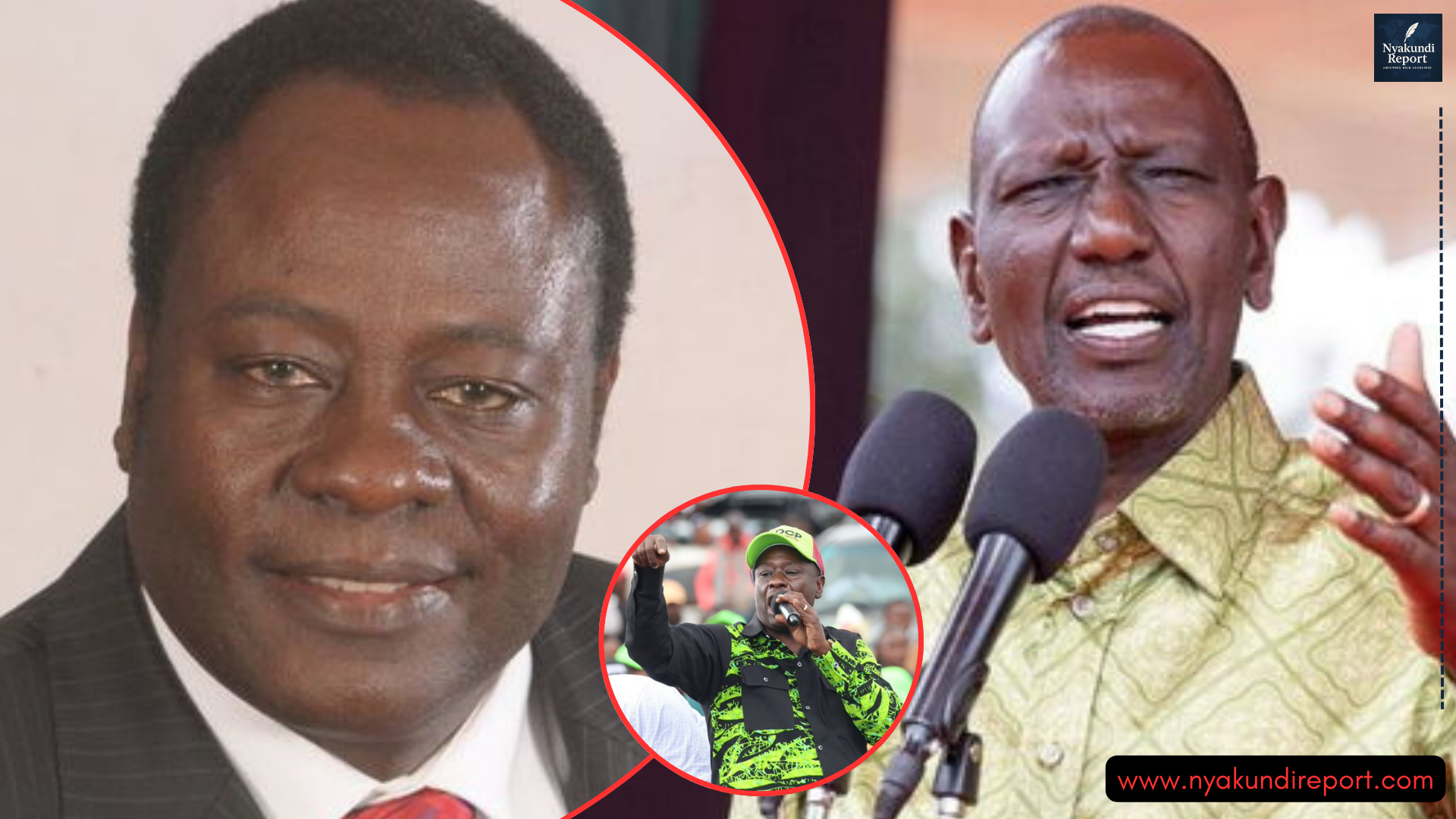




In a surprising political revelation, President William Ruto has publicly expressed his intention to enter into a new agreement with the Orange Democratic Movement for the formation of a government in 2027.
Speaking during the 5th Piny Luo Festival in Migori, Ruto emphasized the need for ODM to unite and strengthen itself, warning that internal divisions could weaken its bargaining power. The president’s comments signal a potential reshaping of Kenya’s political landscape, reigniting speculation over alliances and the future of national leadership.
Ruto Agreement With ODM to Shape 2027 Political Landscape
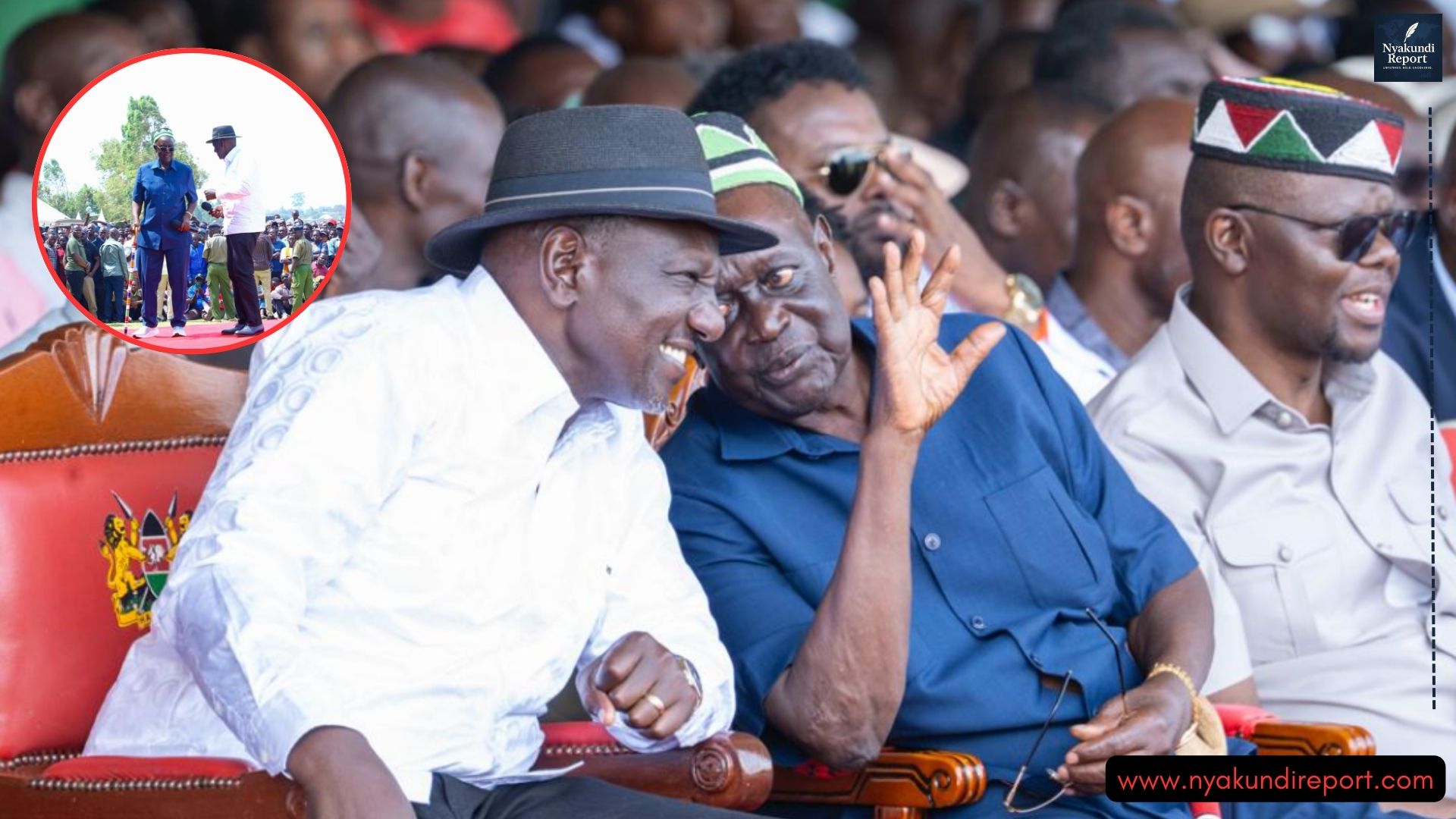
President Ruto’s remarks come amid growing interest in Kenya’s political future and the role ODM will play in it. Addressing party members and supporters in Migori on December 17, the Head of State underscored his desire to see ODM emerge as a robust and unified party capable of negotiating a government agreement with his United Democratic Alliance.
The president stressed that political strategy must focus on party cohesion and national appeal. According to Ruto, a strong ODM will not only benefit its members but also create a fertile ground for collaboration between the two parties.
Ruto’s political strategy reflects his long-standing relationship with ODM and its late founder, former Prime Minister Raila Odinga. The president openly credited Odinga for shaping his political career, calling himself Raila’s “best student” and acknowledging his guidance in helping him ascend to the presidency.
This public commitment to ODM comes as a significant shift in Ruto’s political stance, particularly after Odinga’s passing. The move positions Ruto as a key figure in preserving the late leader’s legacy, while simultaneously laying the groundwork for a potential coalition government in 2027.
Ruto Urges ODM to Strengthen Itself
During his speech, Ruto directly appealed to ODM members to consolidate their efforts and focus on internal unity. “I am calling on the ODM party to strategise itself and remain strong. We want a strong ODM so that we can plan Kenyan affairs together,” he said.
The president’s comments highlight a strategic vision: for ODM to have negotiating power, it must first resolve internal divisions and rally its members behind a common agenda. Failure to do so, Ruto warned, could weaken its influence and reduce the effectiveness of any future agreement with UDA.
By publicly emphasizing ODM’s importance, Ruto also signals to the electorate that his political ambitions are flexible, prioritizing partnership and national interest over partisan rivalry.
Ruto Credits Raila Odinga for His Political Success
Reflecting on his political journey, Ruto paid homage to Raila Odinga, acknowledging the former Prime Minister’s role in shaping his career. “I was a member of ODM, but God made me even more successful so that I can meet with ODM again. Raila is the one who taught us politics. I was his best student, and he immensely contributed to my presidency,” Ruto revealed.
This acknowledgment reinforces Ruto’s message of continuity and respect for political mentorship. It also frames the potential 2027 agreement as more than just a political maneuver; it is positioned as a strategic continuation of a historical alliance that shaped Kenya’s political trajectory.
Strong Political Parties Are Key to Democracy
In his remarks at the ODM Founders’ dinner in Mombasa on November 16, Ruto praised ODM’s resilience, noting the party’s ability to remain strong despite internal and regional challenges following Raila’s death.
“Strong national political parties are the foundation of democracy,” Ruto said, emphasizing that UDA’s future success is tied to partnerships with equally resilient parties. His repeated calls for ODM to maintain unity signal that any Ruto agreement with ODM will depend on both parties entering negotiations from a position of strength.
Ruto’s focus on party consolidation, strategic alliances, and respect for legacy sets the stage for what could be a historic political arrangement in Kenya. Observers now wait to see how ODM responds to these overtures and whether the two major parties can truly collaborate for the 2027 general elections.