
A former worker at Bhagwanji Foods in Azalea Square, General Mathenge, Nairobi, says the restaurant has repeatedly delayed employees’ salaries, with some workers receiving money weeks after the month in which it was earned.
The worker, who has come forward over unpaid balance of almost KSh100,000, says salary delays have been happening since around May, with payments for one month sometimes being completed only after the following month has ended.
The complainant says the situation became more tense after a dispute involving an incorrect receipt generated from an electronic tax invoice machine, which they now fear could be used to deny them their outstanding pay.
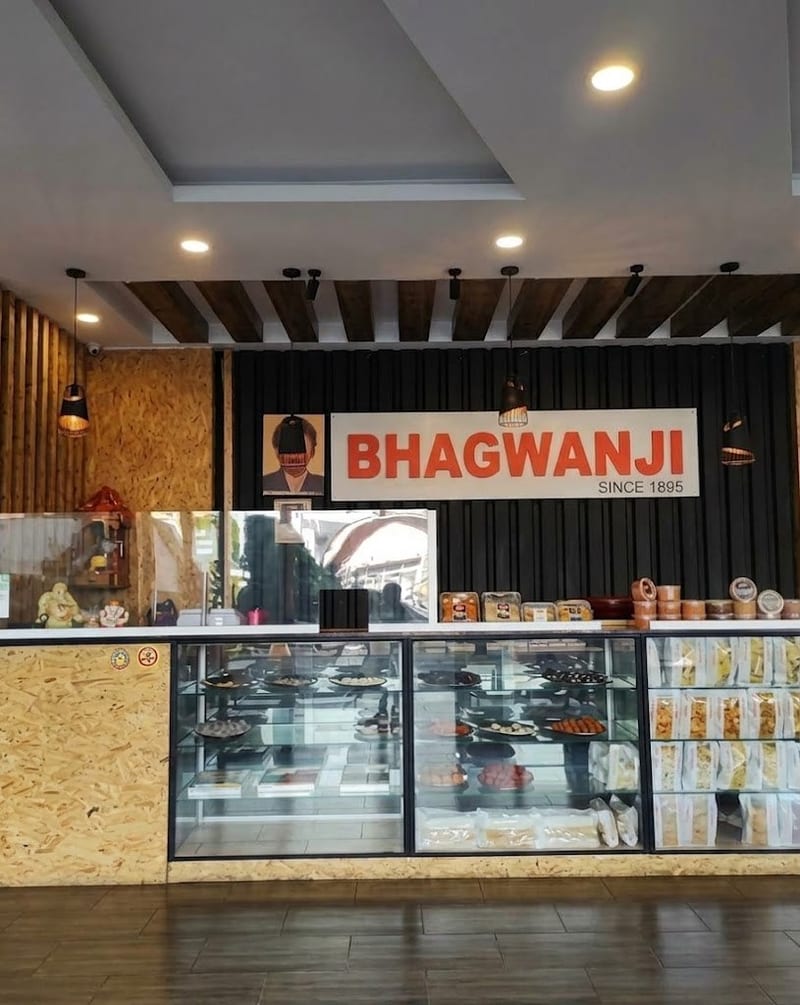
Bhagwanji Foods is a restaurant business operating in Nairobi, and public listings place its operations around the Parklands and General Mathenge area.
According to the worker, the salary problem had already been going on for months before the latest disagreement. They say employees would receive their monthly salaries late, sometimes having to wait until the following month was coming to an end before the previous month's payment was completed.
The worker now claims that they are owed almost 100K, which they say includes salary and other amounts arising from work they had been doing at the restaurant. They say the matter is already known by the HR department.
The dispute escalated after a customer purchased goods worth KSh2,500 and the worker was processing the receipt through the electronic tax invoice machine. The worker says they accidentally pressed one additional zero, causing the machine to generate a receipt showing KSh25,000 instead of KSh2,500.
The worker says they noticed the mistake before handing the receipt to the customer and decided to discard the incorrect receipt and issue another one.
According to the complaint, the owner's father, Prakash sheth, had already noticed what happened and demanded to see the receipt, after which the situation escalated and Bhavika Sheth the daughter to Prakash, and her husband Jinit Nagda threatened to report the worker to the police.
The worker believes the incident is now being used against them in the dispute over their outstanding salary and other payments.
The compiled complaint
Tumekuwa kazi hapo Bhagwanji Foods, General Mathenge, Azalea Square, then kukakuwa na issues about salary inachelewa kutoka since mwezi wa Tano. Unapata kama salary ya mwezi wa sita unamalizwa kupewa kama mko mwezi wa Saba ikiisha. So juzi we had an argument na yeye kuhusu ETR machine. Kuna customer alikuja akachukua goods worth KSh2,500. So mimi nikitoa hiyo receipt ya ETR nikafinya zero moja kimakosa na sikuona and I proceeded kutoa hiyo receipt. Kabla nipee client kuangalia naona inasoma KSh25,000 instead of KSh2,500. Nikaamua kucheza chini nitupie hiyo nitoe ingine, but the dad to the lady alikuwa ameniona. So nikienda kutupa hiyo receipt mbaya akanitisha nikamletea, then mtoto wake akaanza kusema ananipeleka station. But hii yote anafanya ndio asinilipe salary yangu pamoja na mahesabu yangu zenye nimekuwa nikifanyia hiyo restaurant. Wanafaa kunilipa 100k Hiyo hadi HR anajua. Anatafutia mtu makosa ndio akufukuze usidai pesa zako. Na mimi nilimtext nikamshow kama hiyo KSh25,000 receipt ndio itafanya tukosane, atoe kwa mshahara yangu 15% ya hiyo KSh25,000 yenye KRA ingemdai. Name of the lady Bhavika Sheth. Name of the dad Prakash Sheth. Name of the husband Jinit Nagda.”
What Bhavika Sheth, Prakash Sheth and Jinit Nagda should know is that Under Kenya's Employment Act, deductions from wages are regulated and employers cannot simply make arbitrary deductions from an employee's pay. Section 19 sets out circumstances in which deductions may lawfully be made and places limits on the amount that can be deducted from wages.