
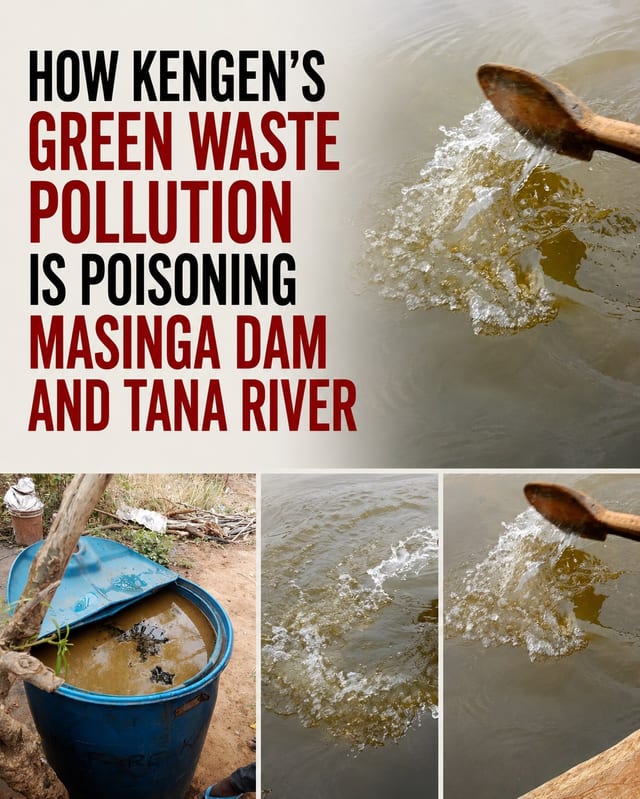
Residents living around Masinga Dam and communities downstream of the Tana River Bridge along the Nairobi to Meru Road have raised serious concerns over the deteriorating condition of water they rely on.
Residents have accused KenGen of dumping industrial green waste and sewage waste from upstream areas of Kirinyaga County, which is finding its way into the river system and eventually reaching the Masinga dam.
The residents say the situation has reached a point where the water can no longer be comfortably used for normal household activities, with some claiming that they are even afraid to give it to their livestock because of its appearance and suspected contamination.
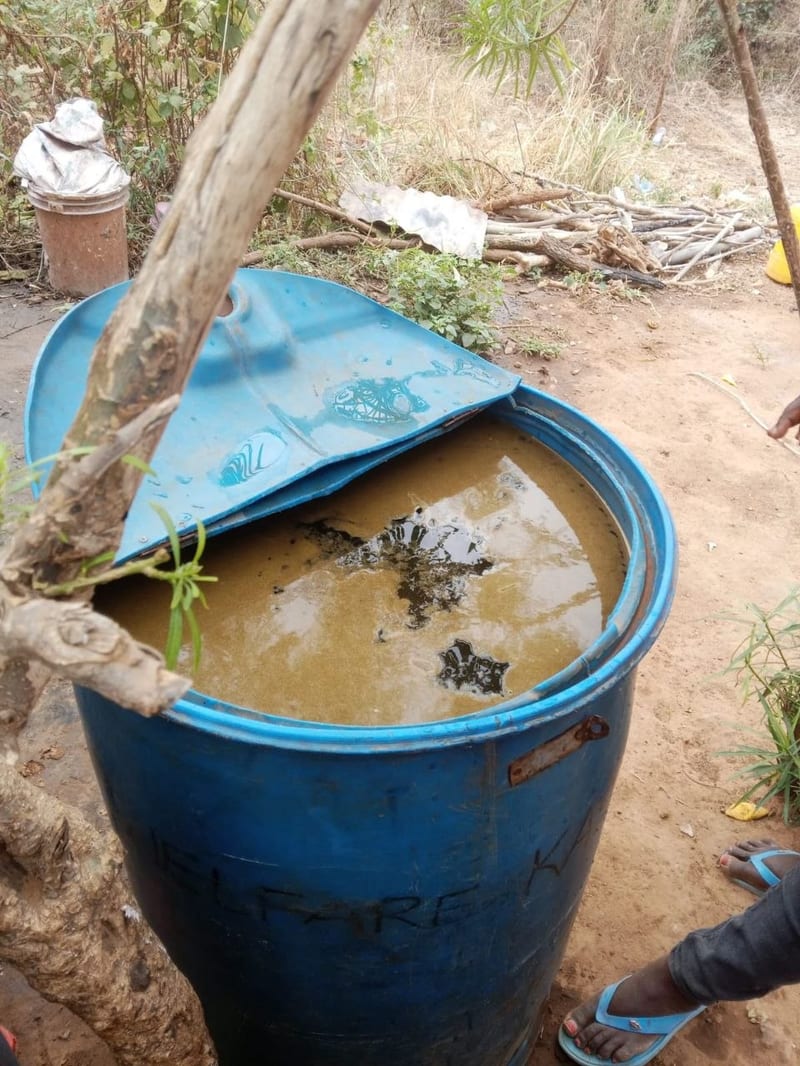
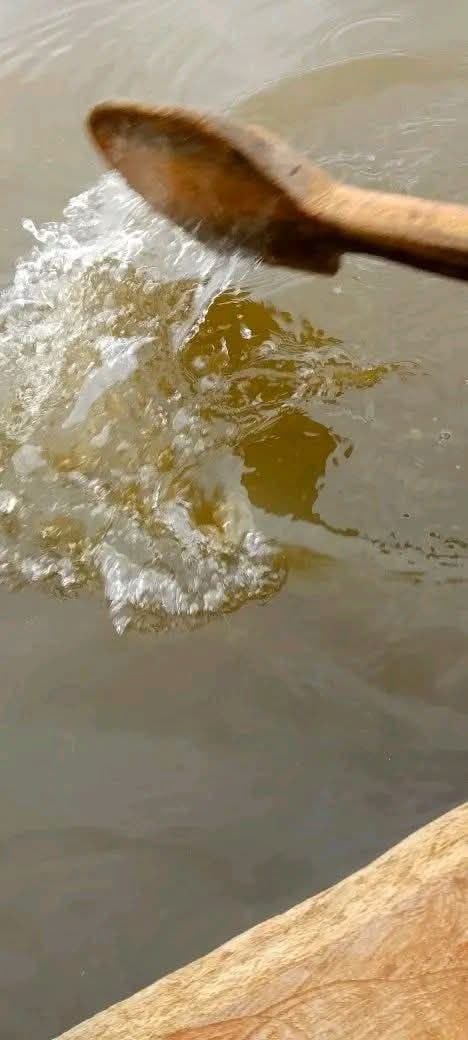
Photographs shared with Nyakundi Report show visibly discoloured water stored in a large blue drum, with another image showing similarly brownish water being scooped from a larger water source. The residents say these photographs were taken from the affected area and are part of the evidence they want government agencies to examine.
One resident, whose identity has been withheld for fear of exposing them, said the problem is being blamed on waste discharged upstream and carried downstream into the Masinga reservoir.
“Nema and Kengen officials have allowed industrial and sewarage waste upstream from Kirinyaga County to be drained in the dam n has made the water unsable to the residents around the dam. The water cannot even be used for animals let alone human use.”
The resident further claimed that the problem has already spread across a substantial section of the water system.
“Already the problem has affected the half of the dam water downwards from Tana River bridge along Nairobi-Meru Road.”
These are serious health hazzards to the residents living in these areas.
The concern comes with Masinga being a major water and energy resource 
Masinga Dam is part of the Seven Forks hydropower cascade on the Tana River, making the condition of the reservoir important not only to the communities living around it but also to the wider Tana River ecosystem and Kenya's electricity generation system.
The concern over pollution in the Masinga catchment is also not entirely new. In a case before the Environment and Land Court, the Tana and Athi Rivers Development Authority raised concerns about environmental degradation around Masinga, including pollution associated with inadequate sewerage and sanitation facilities, agricultural chemicals entering water systems, soil erosion and siltation affecting Masinga and downstream dams.
There have also been documented concerns elsewhere in Kenya where communities dependent on rivers have accused industries and other facilities of releasing untreated waste into water sources.
In one case involving pollution of the Kaboisio and Koroma rivers, the Environment and Land Court found that a tea factory had violated the petitioners' right to a clean and healthy environment and directed the company to obtain an Effluent Discharge Licence from NEMA, while ordering further investigation into possible pollution of the affected rivers.
In another case involving the Nairobi River, residents presented photographic evidence of pollution and accused industries and sewerage systems of releasing untreated or improperly treated waste into the river. The court record acknowledged widespread pollution of the Nairobi River and the impact on communities downstream.
NEMA has also previously shut down companies accused of directing untreated industrial discharge into rivers and streams, demonstrating that the discharge of untreated effluent into water sources is not merely an environmental inconvenience but a matter that can attract regulatory action.
NEMA and WRA have a responsibility to establish what is happening 
Kenya's current Water Quality Regulations are clear that water resources used for domestic, industrial, agricultural and other purposes are protected from pollution, while NEMA regulates the discharge of effluent into the environment.
The regulations state that no person should discharge effluent from sewage treatment works, industries or other point sources into the environment without a valid Effluent Discharge Licence issued by NEMA.
This is where the complaint from Masinga residents needs to be taken seriously.
The National Environment Management Authority, working together with the Water Resources Authority, should identify the suspected discharge points upstream, collect samples from the affected areas and establish through laboratory testing what substances are present in the water.
The investigation should not stop at the dam itself because if the residents' account is accurate, the source of the problem may be several kilometres upstream. Samples should therefore be collected from the suspected discharge points, tributaries feeding the Tana River, the reservoir and locations downstream of the dam so that investigators can establish whether there is a clear connection between an upstream discharge and the deterioration reported by residents.
The Kenya Electricity Generating Company, KenGen, which operates the Seven Forks hydropower facilities, should equally provide any relevant water quality monitoring information available from the reservoir and cooperate with the environmental authorities in establishing whether there has been a change in the quality of water entering or held within the dam.
The Kirinyaga County Government and relevant water and sanitation agencies also need to establish whether there are sewerage systems, industrial facilities or other activities within the upstream catchment that could be releasing untreated or inadequately treated wastewater into waterways feeding the Tana system.
This is not the first warning about pollution in the Tana system 
The wider Tana River basin has previously been identified as facing pollution pressures from several sources, including agricultural activities, agro-based industries, sewerage works and poor sanitation, with studies also identifying pollutants associated with farming and other human activities along the river system.
Research specifically examining water supplied through the Masinga Kitui system has also found contamination concerns at household and distribution points, including E. coli and total coliform levels above acceptable limits in samples examined in that study. The researchers called for regular monitoring of water quality and stronger surveillance of the water infrastructure.
Residents now want testing, not promises 
The affected communities are asking the government to establish the truth about the water and take action if pollution is confirmed.
Their concern is particularly important because some households depend directly on water from the area for domestic activities and livestock, meaning continued use of contaminated water could expose residents and animals to unnecessary risks.
The appropriate response should therefore be an immediate technical investigation, with water samples collected, tested and the findings made public. If the water is found to be contaminated, the source should be identified, the responsible party held accountable and affected residents given clear guidance on what water they can safely use.
Masinga residents should not have to live with uncertainty over the water they depend on. NEMA, WRA, KenGen and the relevant county authorities now need to establish what has changed, where the suspected contamination is coming from and whether anyone is violating Kenya's environmental and water quality laws