
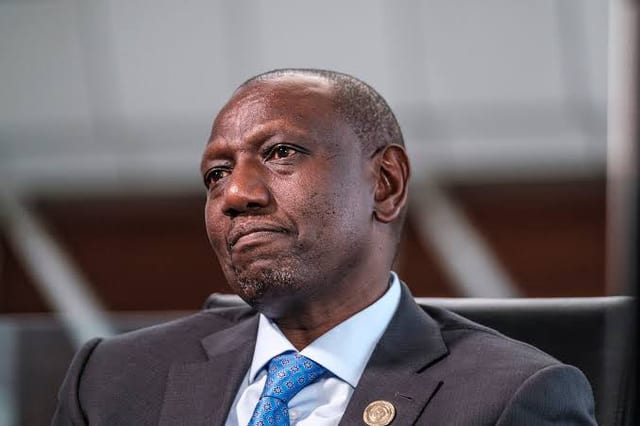
As talk about Kenya's 2027 General Election grows louder, some voices continue to warn that the country could be headed for a repeat of the 2007 post election violence. But that comparison overlooks what made the 2007 crisis unique and why today's political climate looks very different.
The violence that erupted after the disputed 2007 presidential election was driven by deep political and ethnic divisions that had built up over many years. Communities strongly identified with rival political camps, emotions ran high and tension was visible long before the first votes were cast. For many Kenyans, political loyalty was personal and deeply rooted.
That is what made the violence so devastating.
Nearly two decades later, some political observers argue that the unrest witnessed during recent demonstrations does not reflect the same kind of widespread political conviction that defined 2007.
Instead, they point to a growing trend where groups of young men are allegedly recruited and paid to disrupt protests, intimidate opponents or create scenes of chaos for political purposes.
According to this view, the violence is less about ordinary citizens acting on deeply held political beliefs and more about individuals accepting short term payments to carry out acts of intimidation.
Critics argue that this creates an important difference.
A person driven by political conviction may continue acting regardless of the personal cost because they believe in the cause. Someone who has simply been paid to cause disruption may walk away once they feel they have done enough to earn the agreed amount.
Supporters of this argument say that hired groups lack the broad public backing that fuelled the widespread unrest seen in 2007. They believe manufactured violence cannot sustain itself without genuine support from ordinary citizens.
The debate has gained momentum as President William Ruto continues to face pressure from different sections of the country over the economy, taxation, governance and public trust.
Some analysts argue that political leaders who struggle to build popular support may be tempted to rely on intimidation or organised groups to project strength. Others reject that view and maintain that elections should be decided through campaigns and the ballot.
Those who dismiss comparisons with 2007 insist that Kenya has changed significantly over the past two decades.
They point to a more connected population, faster access to information through social media and a younger generation that is less tied to traditional political loyalties.
They also argue that most Kenyans have little appetite for another period of widespread violence after witnessing the human and economic cost of previous political conflicts.
The central claim made by those rejecting the comparison is that the majority of Kenyans want stability and peaceful elections.
In their view, any attempt to use paid groups to spread fear during the 2027 election period would face resistance from citizens who refuse to allow a small number of hired individuals to disrupt the country.
Whether that prediction proves accurate remains to be seen.
What is clear is that the debate over Kenya's political future has already begun, with competing views emerging over whether the country is at risk of repeating its past or entering a very different chapter in its democratic journey.