
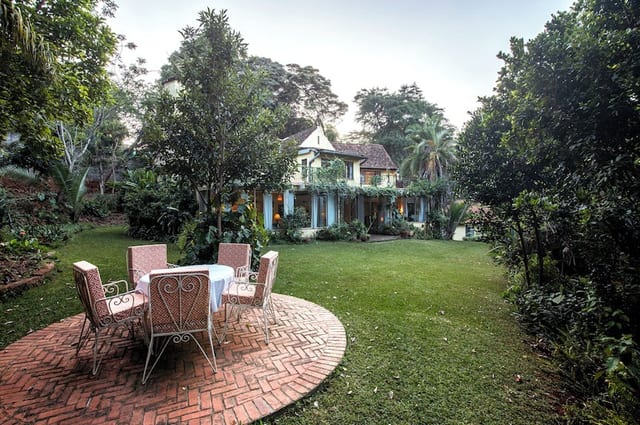
Prices of standalone houses in Nairobi’s middle-income neighbourhoods rose sharply over the past year as buyers increasingly moved away from expensive urban apartments in favour of larger homes with more space.
Data from the Kenya National Bureau of Statistics Residential Property Price Index shows that detached house prices in areas including Parklands, Westlands, Hurlingham, Kileleshwa, Kilimani and surrounding neighbourhoods increased by 20.4 percent between the first quarter of 2025 and the same period in 2026.
This was the strongest annual growth recorded across all residential property categories covered by the index.
Standalone houses outside Nairobi also registered significant price increases, with homes in the Coast region appreciating by 12.5 percent during the period.
Detached houses in Nairobi’s high-income neighbourhoods, including Karen and Runda, rose in value by 7.1 percent, while properties in areas such as Nairobi East and Mavoko recorded a more modest increase of 2.9 percent.
The findings indicate that prices increased across all categories of standalone houses during the period under review, even as the performance of apartments varied sharply depending on location and market segment.
The strong rise in detached house prices has been linked to growing demand from affluent local buyers, expatriates and investors seeking larger homes in gated communities and suburban neighbourhoods.
Limited supply has also pushed prices higher because the construction of standalone houses requires large parcels of land and significantly more capital compared with apartment developments.
HassConsult Co-Chief Executive and Creative Director Sakina Hassanali said the market had experienced low supply despite continued demand for detached homes.
She said developers face high land and construction costs, making it difficult to deliver enough standalone units to meet demand.
The increase in standalone house prices comes as high-end apartments in Nairobi continue to lose value.
Apartment prices in Nairobi’s upper-income areas fell by 4.8 percent between the first quarter of 2025 and the first quarter of 2026, while those in middle-income neighbourhoods declined by 3.3 percent.
The price index for apartments in Nairobi’s upper-income segment dropped to 90.1 from 94.1 a year earlier.
The index for apartments in the middle-income segment declined to 85.3 from 88.2 over the same period.
The fall points to weakening demand in neighbourhoods where rapid construction has increased the supply of high-end apartments, giving buyers and tenants more options while placing pressure on prices.
Apartment markets in more affordable locations performed better during the period.
Prices in Nairobi’s other residential areas rose by 4.2 percent, while apartments outside the capital appreciated by 7.5 percent.
The gains suggest that buyers are gradually shifting towards locations where property prices remain lower and larger homes are available within commuting distance of Nairobi.
Improved roads linking the capital to satellite towns have also made suburban property more attractive by reducing travel times and opening areas that were previously considered too far from major employment and commercial centres.
The changing price trends show a residential market increasingly divided between high-end apartments facing excess supply and standalone homes whose limited availability continues to support higher prices.