
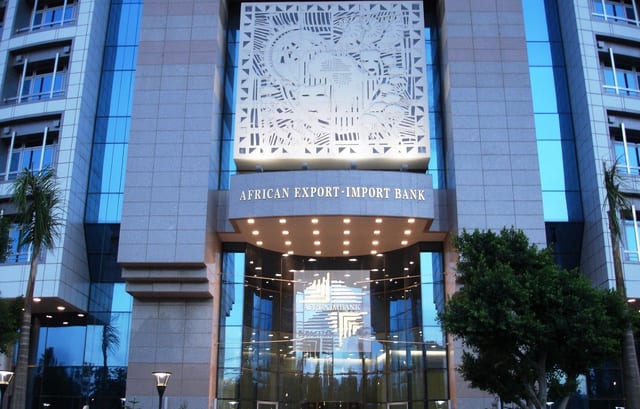
Africa has once again been told that its future lies in controlling its own economy.
Speaking during the Afreximbank Annual Meetings, bank leaders said African countries must stop exporting raw materials and start processing them at home. They said the continent must finance its own growth and trade more with itself instead of relying on foreign markets.
The message received applause.
The questions remain.
Africa has made this promise for decades.
Governments have signed agreements.
Banks have announced funding.
Leaders have held conferences.
Reports have been published.
The speeches have changed very little.
The continent still exports raw minerals.
It still exports crude oil.
It still exports coffee beans.
It still exports cocoa.
It still imports finished products at much higher prices.
That reality has barely changed.
The biggest question is no longer what Africa should do.
The biggest question is why it has failed to do it for so long.
The answer is bigger than processing plants.
Factories need electricity every day.
Many African manufacturers still struggle with unreliable power and high energy costs.
Factories need roads.
Many businesses still spend too much money moving goods from one African country to another.
Factories need ports that work.
Many exporters still face delays that increase costs before products even leave the continent.
Factories need money.
Many local manufacturers cannot access affordable loans that allow them to grow.
That leaves many businesses competing against imported products with one hand tied behind their backs.
Then comes another issue that rarely receives the same attention during high profile meetings.
Governance.
Investors do not walk away from countries because they dislike Africa.
They walk away when policies keep changing.
They walk away when contracts are disputed.
They walk away when corruption raises the cost of doing business.
They walk away when licences take months or years.
No amount of speeches can replace confidence.
Africa already has the raw materials.
It has the workforce.
It has the market.
What many countries still struggle to provide is a business environment that gives investors confidence to build factories that will still be operating twenty years from now.
Trade inside Africa remains another problem.
African leaders speak about one market.
Businesses still deal with border delays, paperwork, different standards and restrictions that make selling goods across neighbouring countries harder than it should be.
The African Continental Free Trade Area was meant to change that.
Progress has been slower than many businesses expected.
There is another question that deserves attention.
Who benefits from Africa's natural wealth?
The continent has exported minerals, oil and agricultural products for decades.
Many countries have earned billions of dollars.
Many communities living near those resources still lack basic roads, hospitals, schools and clean water.
That is why economic sovereignty cannot be measured by how many conferences are held.
It cannot be measured by how many declarations are signed.
It cannot be measured by how many speeches receive standing ovations.
It will be measured by factories that open.
It will be measured by young people finding jobs.
It will be measured by products made in Africa competing in global markets.
It will be measured by whether ordinary Africans feel the benefits of the wealth beneath their feet.
Afreximbank is right to call for economic sovereignty.
Very few people disagree with that goal.
The harder part starts after the conference ends.
Africa has heard this promise before.
The continent now needs results that can be counted, factories that can be visited and jobs that people can see.
That is the only report that will matter.