
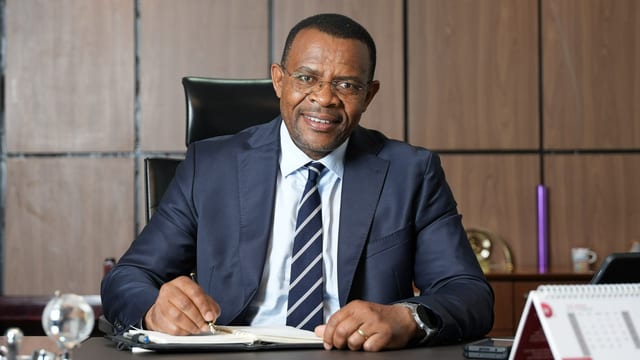
KenGen CEO Peter Njenga is in Canada studying nuclear power as Kenya pushes ahead with plans to build its first nuclear plant, a project expected to start with 2,000MW and eventually grow to as much as 6,000MW. The government has already designated KenGen as the future owner and operator of the country's first nuclear facility.
The official story is about innovation, industrialization and energy security. The uncomfortable question is this,
Has KenGen earned the public trust required to manage one of the most complex and expensive technologies on earth?
Nuclear power is not a geothermal well.
It is not a hydro dam.
It is not a wind farm.
A nuclear project requires world-class governance, flawless safety systems, transparency, highly skilled personnel and billions upon billions of taxpayer-backed financing.
Yet Kenyans have watched for years as energy projects have suffered cost overruns, procurement controversies, delayed implementation and persistent questions about value for money across the broader energy sector.
The government says it is studying Canada's model, including waste management, regulation and safety systems. But many Kenyans look at ongoing scandals involving roads, dams, healthcare and procurement and wonder whether the same institutions can safely manage a nuclear programme that must operate flawlessly for generations.
KenGen wants Kenyans to believe it is ready for nuclear power.
But many Kenyans are still asking why electricity remains expensive despite decades of investment in geothermal energy, one of the cheapest renewable energy sources available.
Kenya already sits on some of the largest geothermal reserves in Africa. KenGen itself generates most of its electricity from renewable sources, particularly geothermal and hydro power.
So why is the country racing toward a technology that could cost hundreds of billions of shillings before a single unit of electricity is produced?
Earlier estimates by Kenya's nuclear agencies suggested that a single 1,000MW nuclear plant could cost between Sh500 billion and Sh600 billion. A larger multi-reactor programme could push costs into the trillions.
Why is Kenya rushing toward nuclear when it sits on some of the world's largest geothermal resources?
Who will pay for it?
That means future generations of taxpayers could be paying for today's nuclear ambitions long after the politicians promoting them have left office.
Then there is the issue of competence.
KenGen and the government are asking citizens to trust them with radioactive materials, nuclear waste management, reactor safety, emergency response planning and decades of operational oversight.
This is happening in a country where public institutions still struggle with procurement scandals, accountability concerns, project delays and maintenance failures.
If Kenya cannot consistently protect public funds, manage procurement transparently and deliver major infrastructure projects without controversy, why should citizens blindly trust the same system with a nuclear reactor?
The government says nuclear power is the future.
Perhaps.
But before Kenyans are asked to finance the most expensive energy experiment in the country's history, they deserve clear answers.
How much will it cost?
Who will finance it?
Who will build it?
Who will manage the waste?
And most importantly:
Why should Kenyans trust KenGen with a nuclear future when many still have unanswered questions about the present Projects?