
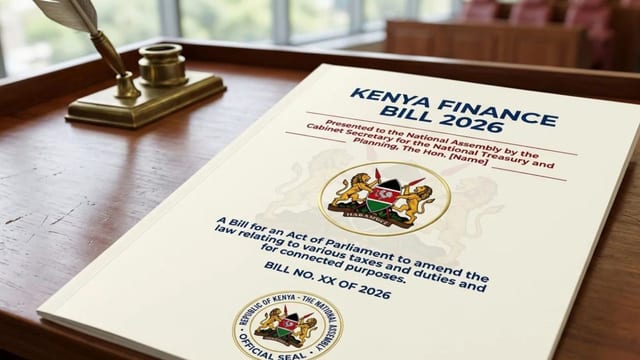
On June 18, 2026, forty Members of the National Assembly took a position that many Kenyans believe reflected the frustrations, fears, and economic realities facing ordinary citizens across the country.
While the majority voted in favor of the Finance Bill 2026/27, these 40 legislators voted against it, choosing to oppose a Bill that many critics argue will place additional financial burdens on already struggling households and businesses.
To supporters of the "No" vote, these MPs demonstrated what representative democracy is supposed to look like: elected leaders standing with their constituents rather than blindly following party directives or political pressure.
Their vote may not have changed the outcome, but it ensured that dissenting voices were recorded in Parliament's history.
The lawmakers who voted against the Bill came from different political backgrounds, regions, and constituencies, yet on this issue they found common ground in opposing measures they believed would negatively affect their voters.
For many Kenyans, the vote was not simply about taxation.
It was about accountability.
It was about representation.
It was about whether elected leaders still listen to the people who sent them to Parliament.
Supporters of the dissenting MPs argue that a true representative does not merely vote with the government of the day but weighs the impact of legislation on wananchi before making a decision.
The Finance Bill debate once again exposed the widening gap between government revenue demands and the economic pressures facing citizens.
Rising living costs, unemployment, business closures, and shrinking household incomes have left many Kenyans questioning whether additional taxes and levies are sustainable.
Those who voted "No" are now being celebrated in some quarters as leaders who chose the interests of ordinary Kenyans over political convenience.
At the same time, attention has turned to MPs who supported the Bill or were absent during the vote.
Critics argue that future elections will provide voters with an opportunity to assess whether their representatives acted in their best interests.
Whether one agrees or disagrees with the Finance Bill, June 18, 2026, will likely be remembered as one of the defining parliamentary votes of this term.
For supporters of the opposition vote, the 40 MPs who rejected the Bill have earned a place in the country's political memory as legislators who, at least on this occasion, chose to stand with the people rather than the establishment.
History will ultimately judge whether they were right.
But their names are now permanently recorded among those who said "No" when it mattered most.