
One of the key promises behind the transition from NHIF to the Social Health Authority (SHA) was to ensure that Kenyan workers and their families could access healthcare services without facing devastating out-of-pocket expenses. Every month, employees across the country see deductions made from their salaries with the expectation that the money will be remitted promptly so that they can access treatment whenever the need arises.
However, delayed or unremitted statutory health contributions can have severe consequences for workers. Employees often discover the problem only when they fall ill, require admission, or seek medical treatment, only to be informed that their contributions have not been received. In such situations, workers who have already had deductions made from their salaries find themselves forced to pay cash for services they believed were already covered.
The situation becomes even more difficult where employees are relying on both SHA and employer-provided medical insurance. While many insurance schemes offer additional protection, they often come with daily limits, exclusions, and caps that can quickly be exhausted during serious illness or hospitalization. When statutory contributions are also not remitted, workers are left exposed to significant financial hardship at the worst possible moment.
Hello Nyakundi,
Kindly hide my identity.
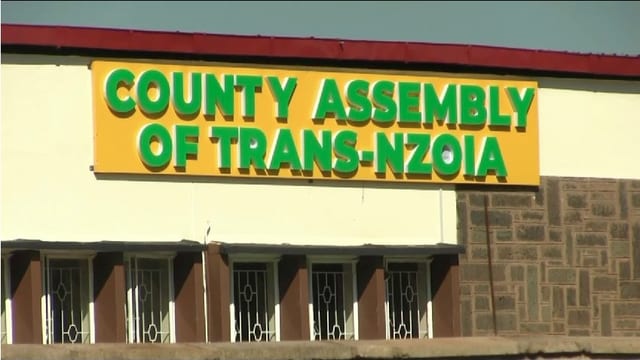
I am an employee of the County Government of Trans Nzoia and would like to raise concerns regarding the status of our Social Health Authority (SHA) contributions.
According to what many employees have discovered, SHA deductions have allegedly not been remitted since March, despite the deductions continuing to be reflected on employees' salaries.
As a result, many workers are currently unable to access treatment through SHA facilities and are being forced to pay cash whenever they require medical services.
The problem is particularly serious for employees who require inpatient treatment.
Many of us only become aware that our contributions have not been remitted when we arrive at hospitals expecting to receive treatment, only to be informed that our SHA accounts are inactive due to missing remittances.
This has left workers and their families stranded during medical emergencies.
While the county also provides a medical insurance cover, that arrangement has its own challenges.
The insurance scheme reportedly operates with daily limits, meaning that once a patient exceeds the allocated amount, they are required to personally cover the remaining medical expenses.
In situations involving prolonged hospitalization, surgery, or serious illness, those limits can be exhausted very quickly.
Under normal circumstances, employees would expect SHA to provide additional support and reduce the financial burden.
However, because the SHA contributions have allegedly not been remitted, many workers are finding themselves exposed to medical costs they are unable to afford.
The situation is causing significant anxiety among employees, especially those with dependents, chronic illnesses, or family members who may require urgent medical care.
Workers are asking simple questions.
If deductions are being made from salaries, why are the funds not being remitted?
How much has accumulated since March?
When will the outstanding remittances be forwarded to SHA?
And what measures are being taken to ensure employees do not continue suffering while seeking healthcare?
We respectfully appeal to the County Government of Trans Nzoia, SHA management, the Council of Governors, and relevant oversight institutions to urgently investigate the matter and provide clear communication to affected employees.
Healthcare is not a luxury.
Employees should not be forced to pay cash for treatment after statutory deductions have already been made from their salaries.
The county workforce deserves transparency, accountability, and assurance that their health contributions are being handled responsibly.
Concerned Trans Nzoia County Employee.