
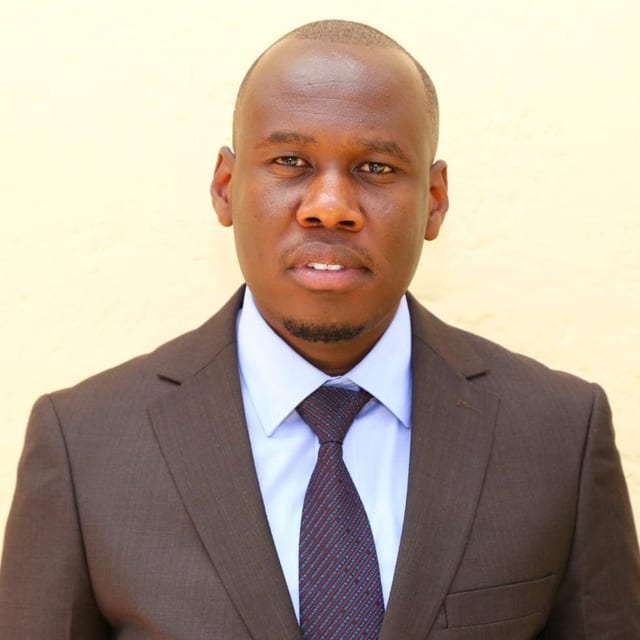
Questions continue to emerge about the management of public funds and development projects in Nakuru County as more residents and stakeholders come forward with allegations touching on senior county officials and the implementation of projects funded using public and donor resources.
The concerns come barely days after complaints surfaced regarding the management of the county's infrastructure department, where critics accused officials of creating an environment characterized by intimidation, delayed projects, alleged extortion, and a culture of impunity. While those allegations remain unproven, they have fueled renewed scrutiny of county operations and the conduct of senior officials who have held influential positions in different departments.
Particularly worrying are claims that some projects funded through international development programmes and climate financing initiatives may not have delivered value for money despite consuming millions of shillings. Residents and committee members involved in monitoring such projects are now demanding answers regarding stalled, incomplete, or non-functional projects that continue to burden taxpayers while communities fail to benefit from the intended investments.
Hello Nyakundi,
Kindly hide my identity and use "Shakahola."
I would like to add my voice regarding the concerns being raised about Kennedy Mungai Barasa.
Before he was deployed to head the Roads and Infrastructure Department, he served as the County Executive Committee Member in charge of Environment and Climate Change.
I am a member of one of the Ward Climate Change Committees under the FLLoCA programme, and from my experience, there are serious questions that need to be asked regarding some of the projects implemented during his tenure.
Many residents may not know that millions of shillings from the World Bank-funded Financing Locally-Led Climate Action (FLLoCA) programme were allocated to projects across various wards in Nakuru County.
The purpose of these funds was to help communities adapt to climate change, improve livelihoods, strengthen resilience, and support sustainable development.
Unfortunately, some of the projects implemented under that programme have become symbols of waste and poor accountability.
In one case that I am personally familiar with, a project worth approximately KSh 6.4 million was implemented but remains non-operational to date.
The community has not benefited from it despite the substantial amount of money that was spent.
When concerns were raised regarding the quality of the work and the apparent failure of the project, the contractor allegedly dismissed our concerns and openly claimed that nothing could be done because he had "sorted everything" with Kennedy Mungai.
As committee members, we were left wondering whether our oversight role meant anything at all.
How can a project consume millions of public and donor funds yet fail to operate years later?
Who certified the works?
Who approved the payments?
Who inspected the project before taxpayers' money was released?
And why are communities being left with white elephants while officials move from one powerful office to another?
What worries many of us is that the allegations now being raised regarding the Roads and Infrastructure Department appear strikingly similar to concerns that were being whispered about during his time in the Environment Department.
The complaints may involve different projects and different funding streams, but the underlying concerns are the same: accountability, transparency, intimidation, and whether public resources are truly serving the people they were intended to benefit.
As a member of a Ward Climate Change Committee, I can confidently say that many residents are losing faith in these programmes because they see projects launched with great fanfare only to become non-functional shortly thereafter.
Meanwhile, the communities that were supposed to benefit continue struggling with the very challenges the projects were meant to address.
The people of Nakuru deserve answers.
The World Bank deserves answers.
Taxpayers deserve answers.
And the communities that were promised development deserve answers.
I urge the Auditor-General, Ethics and Anti-Corruption Commission (EACC), the World Bank's oversight mechanisms, and all relevant authorities to independently investigate the implementation of FLLoCA-funded projects during Kennedy Mungai's tenure in the Environment and Climate Change Department.
If public funds were properly utilized, then those findings should be made public.
If not, those responsible should be held accountable.
Because development projects should improve lives—not become opportunities for a few individuals to enrich themselves while communities are left with stalled and non-operational projects worth millions of shillings.
Concerned Ward Climate Change Committee Member