
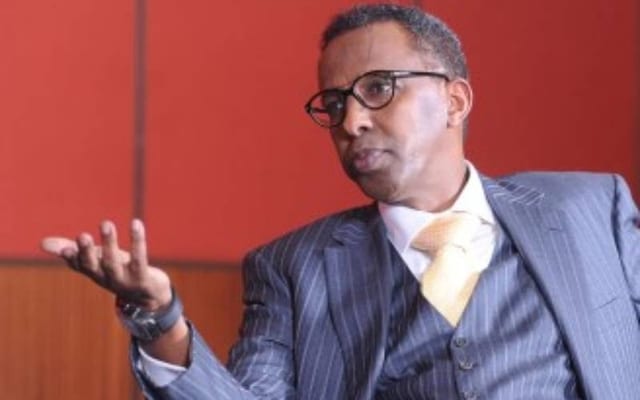
A public exchange between former Chief Justice David Maraga and Senior Counsel Ahmednasir Abdullahi has reignited debate over wealth declaration, transparency, and accountability among Kenya's political leaders ahead of the 2027 General Election.
The debate began after Ahmednasir publicly questioned how Maraga was able to finance an elite education for his children, including attendance at St. Andrews Turi and studies at top universities in the United Kingdom, while serving in public office.
Ahmednasir further questioned the source of funds allegedly used to acquire expensive apartments for Maraga's children in some of Nairobi's most exclusive neighborhoods.
"How did you pay for your kids to attend the elite St Andrews Turi? How did you pay for your kids to study at top English universities? What is the source of the millions you used to buy your kids expensive apartments in exclusive hoods in Nairobi?" Ahmednasir posed on social media.
In response, Maraga firmly denied any association with corruption and challenged not only his critics but all presidential aspirants to publicly account for their wealth.
"I have never been associated with any corruption scandal. I am ready to declare on oath my assets and give a full account of how I acquired each piece. I challenge every presidential aspirant, starting with President William Ruto, to do the same and account for everything they own," Maraga stated.
The former Chief Justice's response has shifted attention from the allegations themselves to the broader question of transparency among public officials seeking high office. His challenge has sparked discussions on whether presidential candidates and senior state officers should be required to publicly disclose their assets, liabilities, and sources of wealth before seeking elective office.
Supporters of Maraga argue that his willingness to submit to a public audit of his assets demonstrates confidence in the legitimacy of his wealth and sets a standard that should apply across the political divide. Critics, however, maintain that questions surrounding the wealth of public figures should be addressed through verifiable disclosures rather than political exchanges on social media.
The exchange comes at a time when concerns about unexplained wealth, corruption, and accountability remain central issues for many Kenyans. Public confidence in leadership has increasingly become tied to demands for greater transparency regarding the assets accumulated by individuals who have held public office.
As the debate continues, attention is likely to focus on whether other political leaders will accept Maraga's challenge and publicly account for the sources of their wealth.
Neither Ahmednasir's claims nor the allegations regarding Maraga's assets have been independently verified, and no evidence of wrongdoing has been presented. However, the exchange has reignited calls for stronger transparency measures and greater public scrutiny of those seeking the country's highest office.