
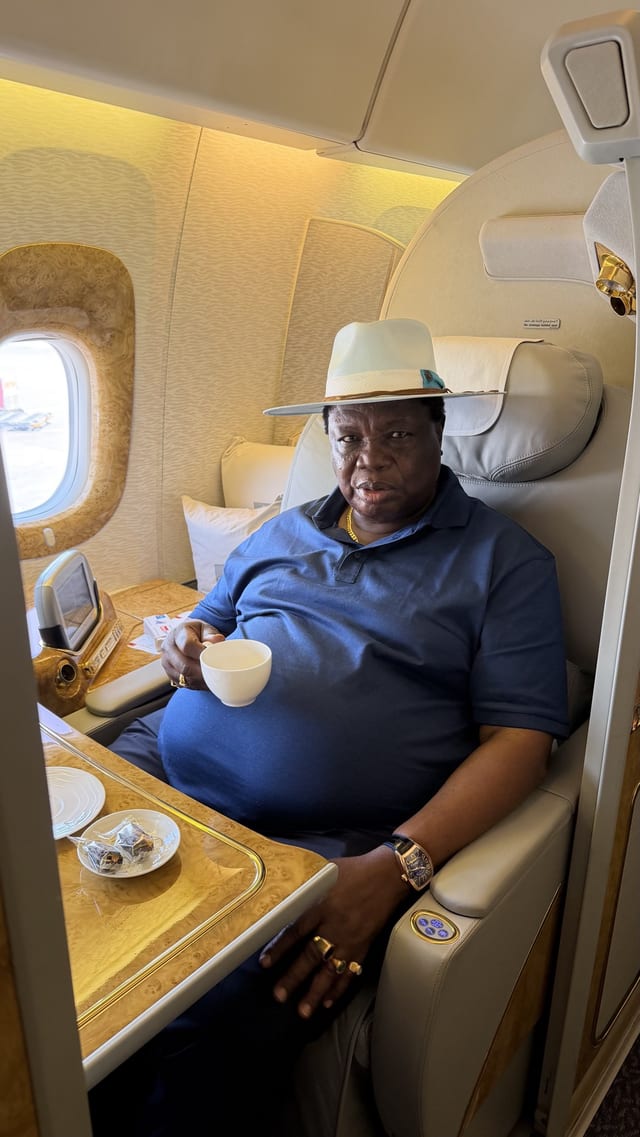
A post inviting Kenyans to "open the comment section" beneath a photo of COTU Secretary-General Francis Atwoli quickly turned into a torrent of criticism, exposing the depth of public frustration some citizens currently feel toward one of Kenya's longest-serving labour leaders.
While a few users defended Atwoli and described him as a generous and approachable individual, the overwhelming majority of responses were deeply critical, with many commenters using humour, sarcasm, and blunt language to express their dissatisfaction.
Several commenters questioned Atwoli's relevance in modern Kenya, arguing that he has remained in leadership for too long while workers continue to struggle with rising taxes, unemployment, and the high cost of living.
Others claimed that Kenyan workers have little to show for decades of labour representation, with some openly questioning the purpose of COTU and whether the organization still effectively serves the interests of ordinary workers.
A recurring theme throughout the responses was the perceived disconnect between the lifestyles of senior labour leaders and the economic realities facing the people they represent. Some users contrasted Atwoli's public image with the hardships experienced by workers dealing with shrinking incomes and increasing taxation.
A number of commenters accused him of being too close to political power and government establishments, alleging that he has become more of a defender of the political class than a champion of workers' rights.
Others went further, describing him as a "parasite" on the labour movement, while some compared him to controversial labour bosses from history. Several users questioned what tangible achievements he could point to after decades in office.
The criticism was not limited to his leadership record.
Many comments focused on his appearance, with users mocking his physique and making jokes about his stomach. Some suggested he should seek medical attention, while others used exaggerated humour to ridicule him. The remarks ranged from jokes about weight loss to crude suggestions about his health.
Several commenters expressed anger over what they perceive as generational stagnation in leadership, arguing that younger Kenyans have been denied opportunities while the same individuals continue occupying influential positions year after year.
One user lamented what they described as the theft of young people's future, while another questioned whether Atwoli still understands the realities facing ordinary Kenyans.
Others criticized his frequent travels, claiming he does little for workers despite enjoying a prominent public profile. Some described him as symbolic of a broader problem affecting African leadership, where individuals remain in influential positions while poverty persists among the populations they represent.
The hostility reached extreme levels in some instances, with a few users making offensive remarks wishing harm or death upon the veteran trade unionist. Such comments reflected the intensity of emotions surrounding public figures in Kenya's increasingly polarized online environment.
Not everyone joined the pile-on.
A minority of users defended Atwoli, describing him as a gentleman and a generous individual whose personal character differs from the image portrayed by his critics. These voices argued that many of those attacking him had likely never met him personally.
However, those comments were vastly outnumbered by the negative reactions.
Taken together, the responses paint a picture of growing public anger not only toward Francis Atwoli but also toward long-serving establishment figures generally. Whether justified or not, the comment section became a platform for Kenyans to air frustrations about leadership, economic hardship, representation, and accountability.
The reactions suggest that for many citizens, Atwoli has become more than just a labour leader. He has become a symbol of a political and institutional class that many believe has failed to keep pace with the aspirations and struggles of ordinary Kenyans.