
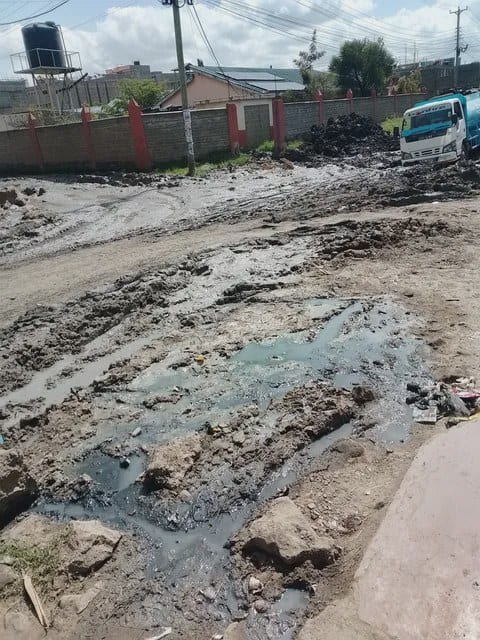
For residents of Mlolongo, the road leading to Mlolongo Level 3 Hospital has become more than just a transportation challenge—it has become a symbol of what critics describe as the Machakos County Government's failure to prioritize basic infrastructure and public service delivery.
Despite serving one of the area's key public health facilities, the road has reportedly deteriorated into a muddy, waterlogged stretch that residents say becomes nearly impassable whenever it rains. Deep potholes, stagnant water, and poor drainage have transformed what should be a critical access route into a daily nightmare for patients, school children, motorists, and business owners.
Residents are now questioning why such a vital road remains neglected under the administration of Governor Wavinya Ndeti.
According to a concerned resident who sought anonymity, the situation has reached alarming levels. Patients seeking treatment at Mlolongo Level 3 Hospital are reportedly forced to navigate flooded sections and thick mud before accessing healthcare services. For elderly patients, expectant mothers, and emergency cases, the journey can be both difficult and dangerous.
"It is shocking that a road leading to a public hospital can be left in such a condition. Accessing healthcare should not require people to struggle through mud and stagnant water," the resident said.
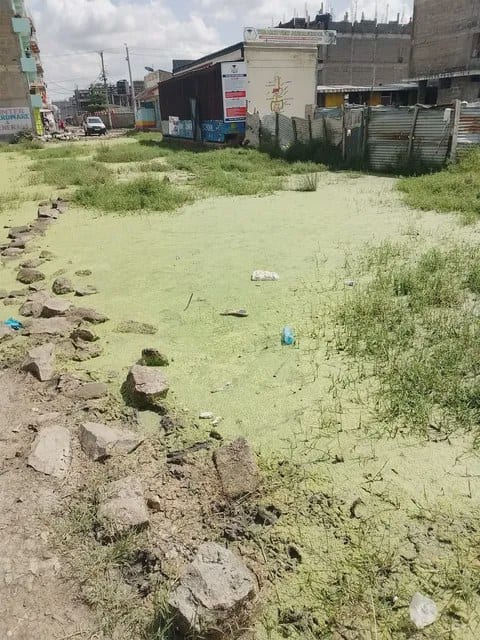
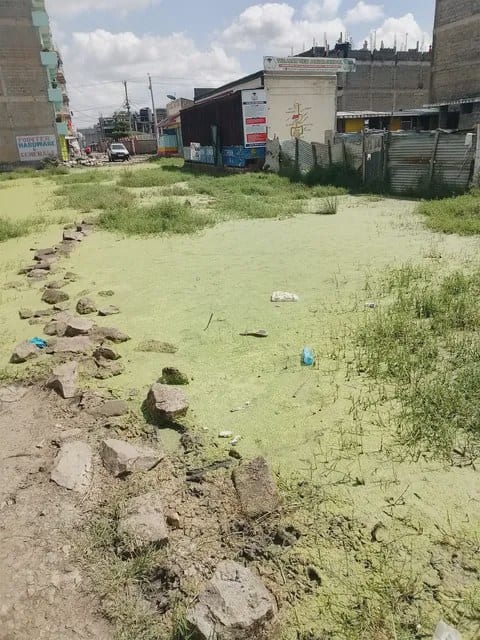
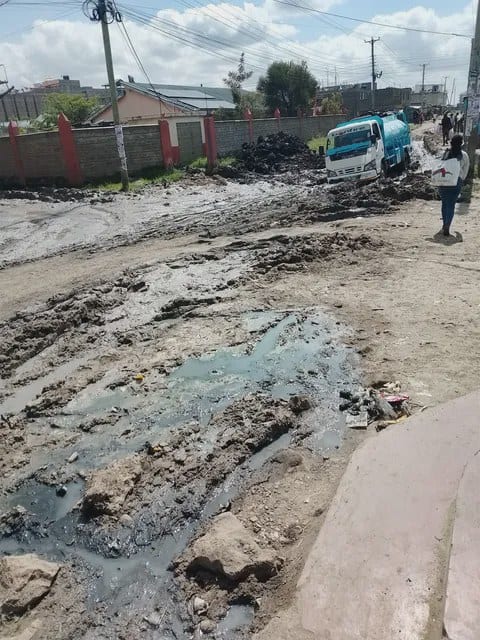
The poor state of the road is also affecting education and economic activities within the area. School-going children reportedly walk through muddy sections every morning and evening, while local businesses continue to suffer as customers avoid the area due to accessibility challenges.
Motorists are equally frustrated. Many complain that the deteriorating road damages vehicles and increases maintenance costs, forcing residents to bear the consequences of what they see as prolonged government inaction.
The problem appears to extend beyond the road surface itself. Residents say poor drainage is at the heart of the crisis, with rainwater collecting and remaining stagnant for long periods. Despite repeated complaints over the years, they claim no permanent solution has been implemented.
The continued deterioration has fueled criticism of the county government's infrastructure priorities. Critics argue that while political leaders frequently make promises about development and service delivery, basic issues affecting ordinary citizens remain unresolved.
For many residents, the condition of the road raises broader questions about planning, accountability, and leadership within the county administration. If authorities cannot maintain a road serving a public hospital, residents ask, what does that say about the government's commitment to essential services?
As public frustration grows, calls are mounting for Governor Wavinya Ndeti and relevant county departments to intervene immediately. Residents are demanding urgent repairs, improved drainage systems, and a long-term infrastructure plan to prevent the recurring problem.
Until then, the road to Mlolongo Level 3 Hospital remains a visible reminder of the challenges facing residents and a growing source of criticism for an administration that came into office promising better services and improved living standards.
For the people who depend on this road every day, the issue is no longer about politics—it is about dignity, safety, access to healthcare, and the fundamental responsibility of government to provide basic infrastructure.