






















This week, the Senate erupted in a high-voltage confrontation as Narok Senator Olekina Ledama aggressively targeted Kisii County’s leadership. The showdown, widely shared online, was less about oversight and more about political and commercial pressure.
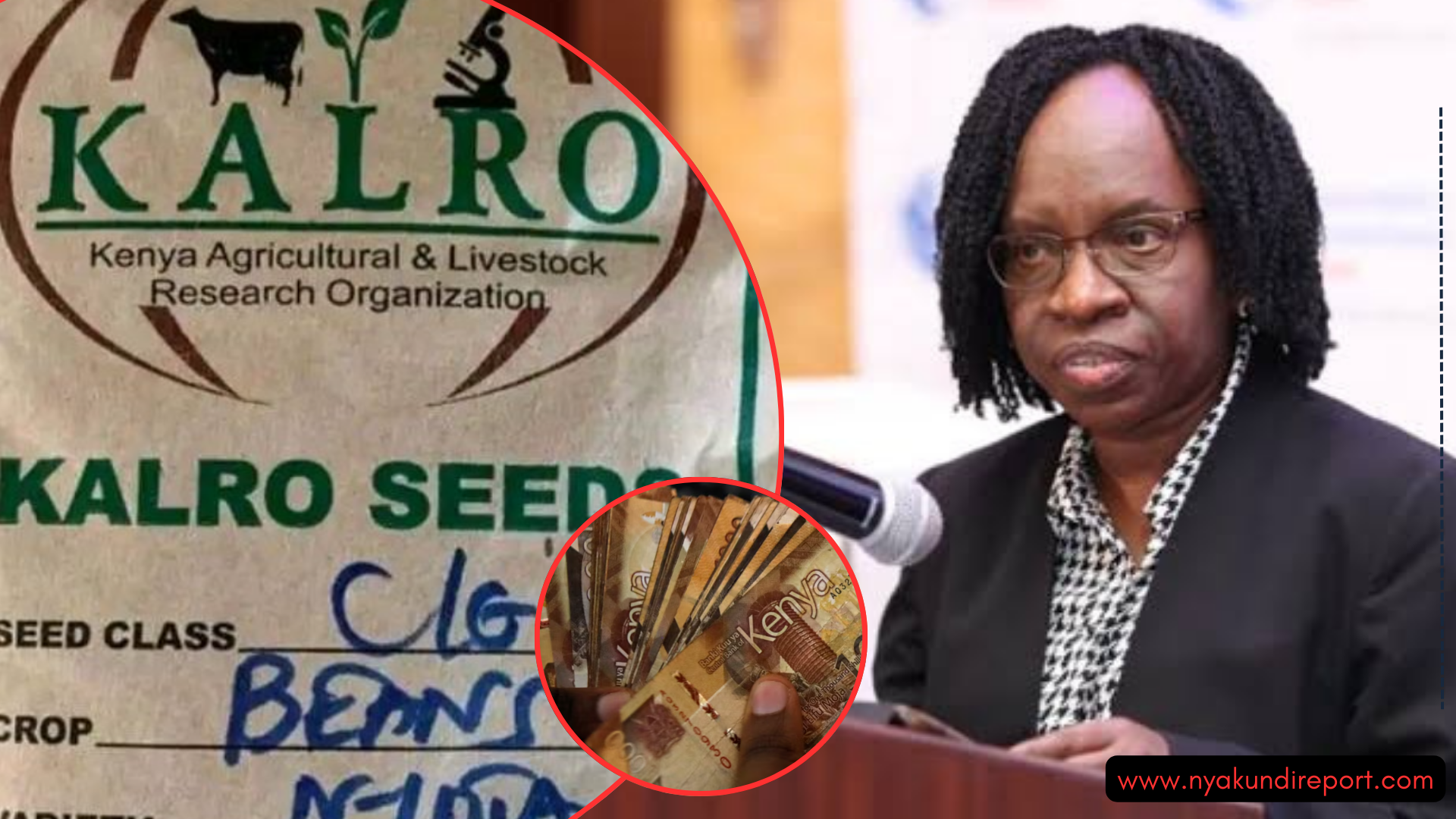
At the heart of the clash was Kisii’s ECDE milk programme, a tender that Senator Ledama wanted for his private supplier but which the county government awarded to KCC, a state-backed institution. The incident exposes a worrying pattern of senators using public platforms to secure private gains.
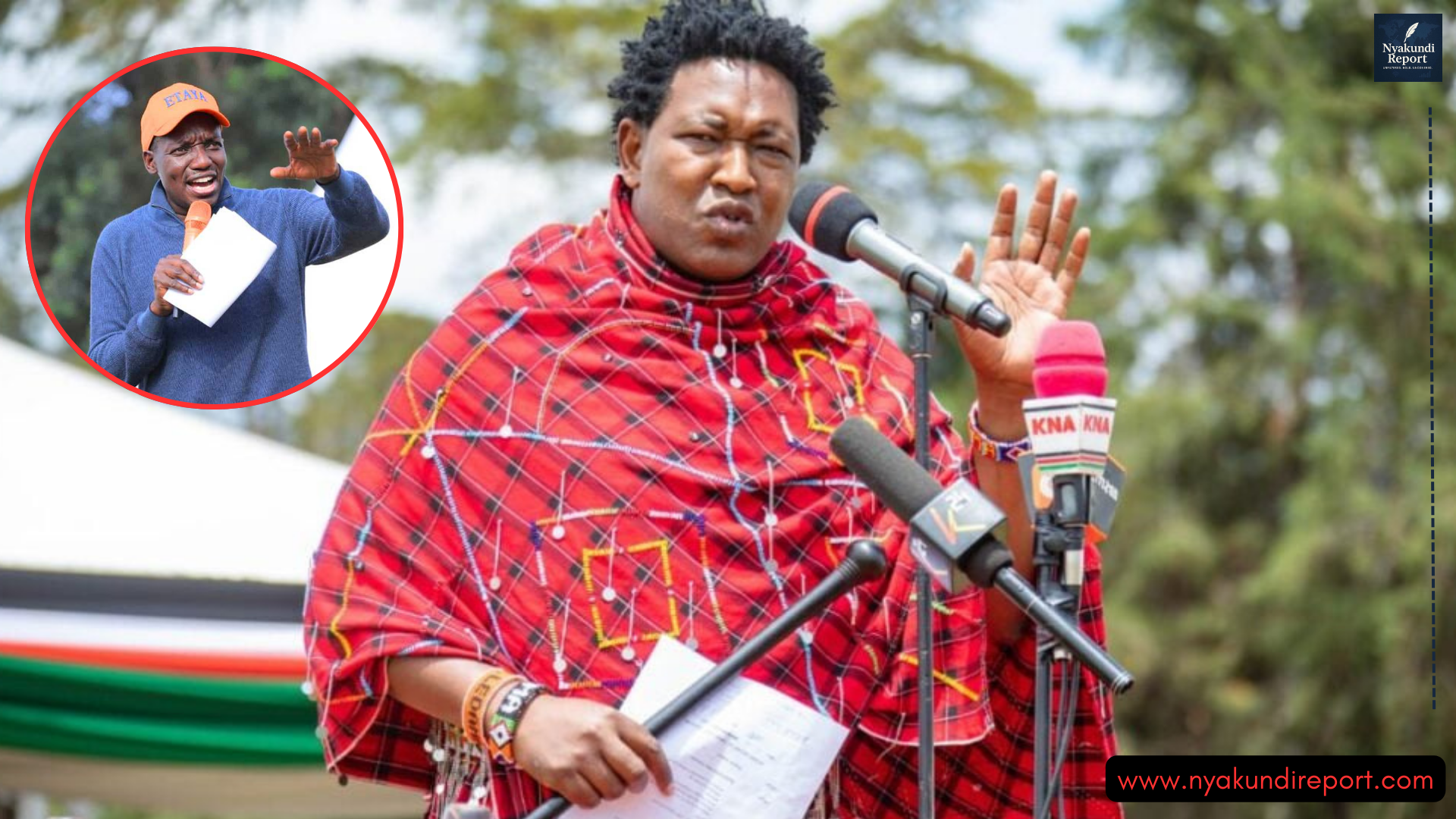
Senate Oversight or Blackmail? How Olekina Ledama’s Clash With Kisii Leaders Highlights Tender Extortion in the Senate
The Council of Governors (CoG) has repeatedly raised concerns about senators who exploit oversight committees to intimidate and extort county governments. On Wednesday, after a CoG meeting, four senators were publicly named for “misconduct” during Senate County Public Accounts Committee (CPAC) sessions: Moses Kajwang, Johnes Mwaruma, Edwin Sifuna, and Samson Cherargei. The Council accused them of harassment, intimidation, and extortion of county chiefs appearing before CPAC.
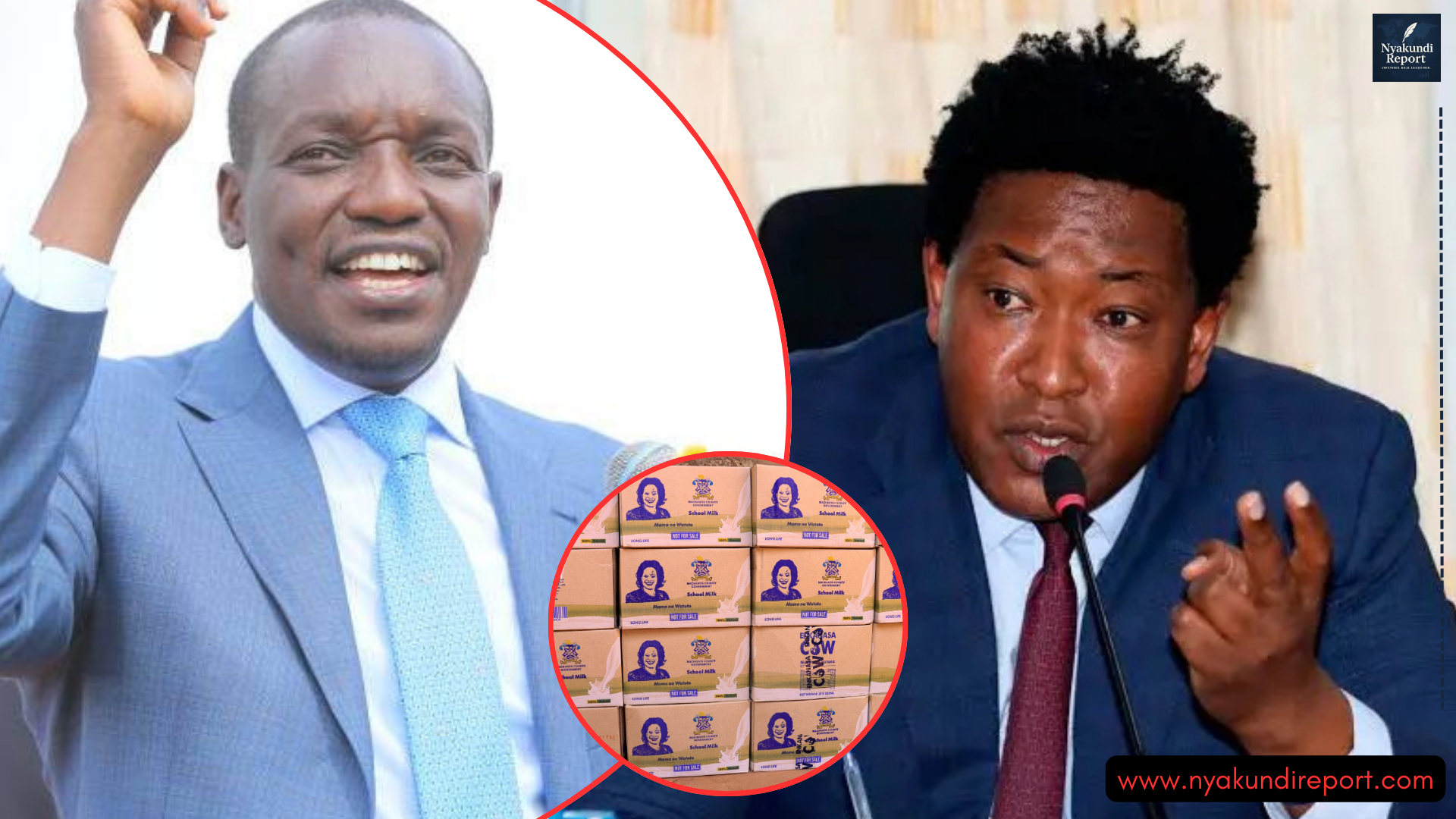
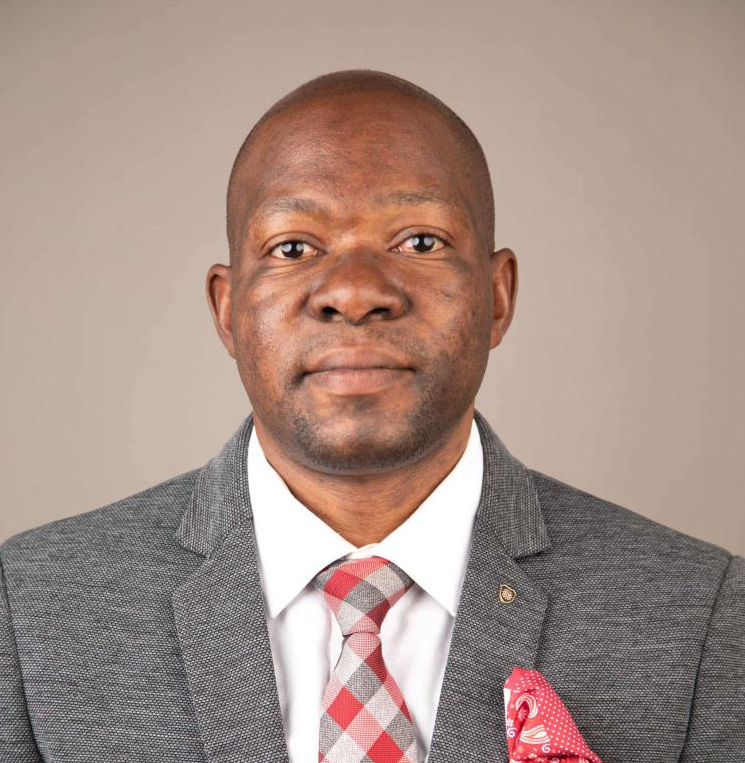
Olekina Ledama, Narok Senator, has joined this list of senators whose actions appear driven by personal gain rather than public accountability. Sources reveal that his aggression toward Kisii County this week was linked to the ECDE milk tender, which he wanted awarded to his private business, Enkanasa Milk. Kisii County Governor Simba Arati resisted the pressure, choosing instead to award the tender to KCC, a government institution.
Officials describe the senator’s behavior as a mix of blackmail, bullying, and political grandstanding. “This is not oversight,” one senior Kisii official said. “This is extortion dressed up as public service.”
Kisii Stands Firm Against Tender Pressure
Kisii County’s refusal to yield to Olekina Ledama highlights the tension between lawful procurement practices and influential political interference. The county leadership argued that awarding the milk tender to a private, politically connected supplier would compromise transparency. By choosing KCC, Kisii officials maintained a public-interest stance and avoided exposing county resources to high-level manipulation.
This firm approach, however, provoked Ledama. Following the award, the Senator launched an aggressive campaign from the Senate floor, criticizing the Kisii administration and calling for investigations. Social media clips of his outburst have sparked nationwide debate on the limits of Senate oversight versus the abuse of power for personal enrichment.
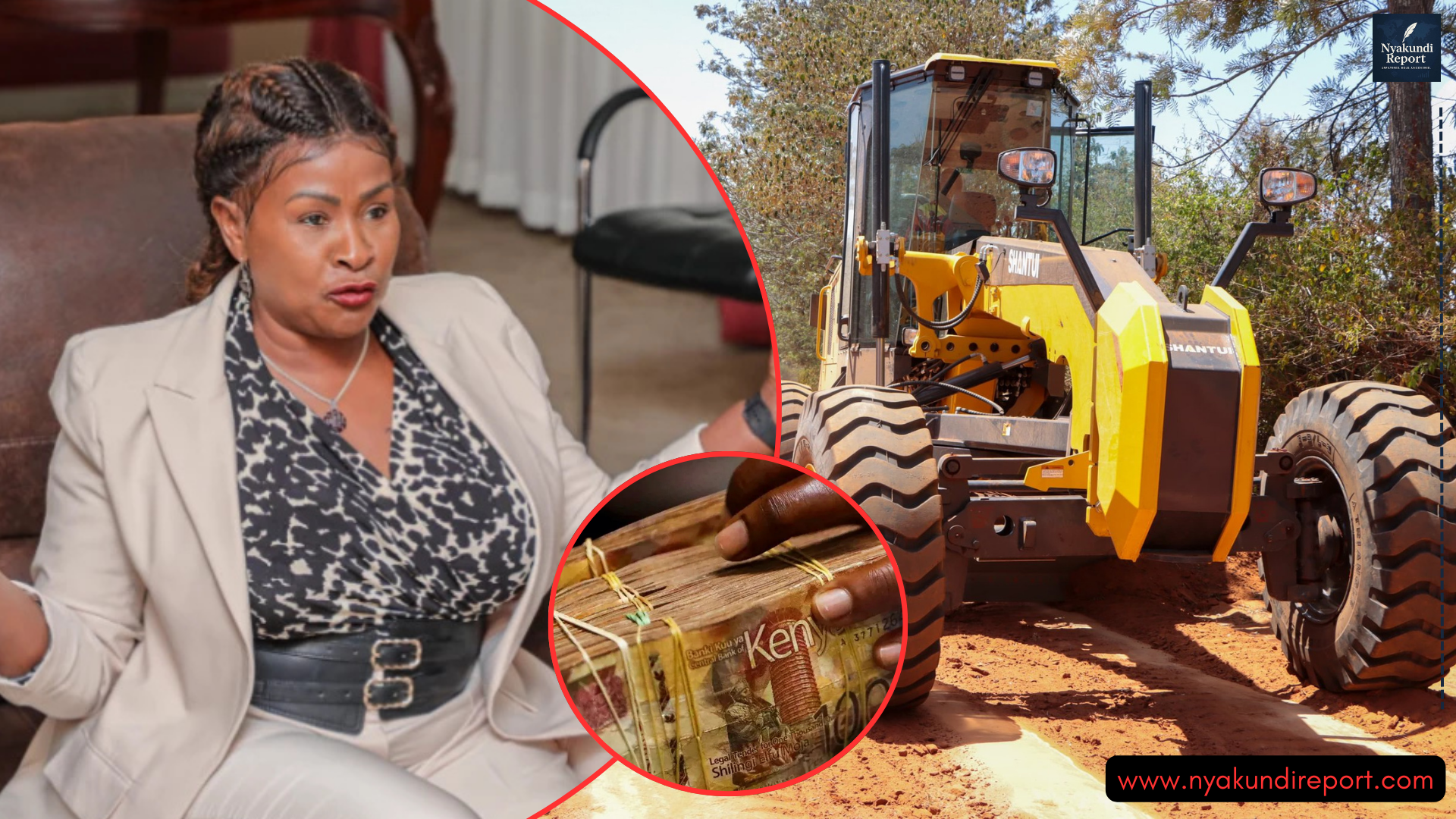
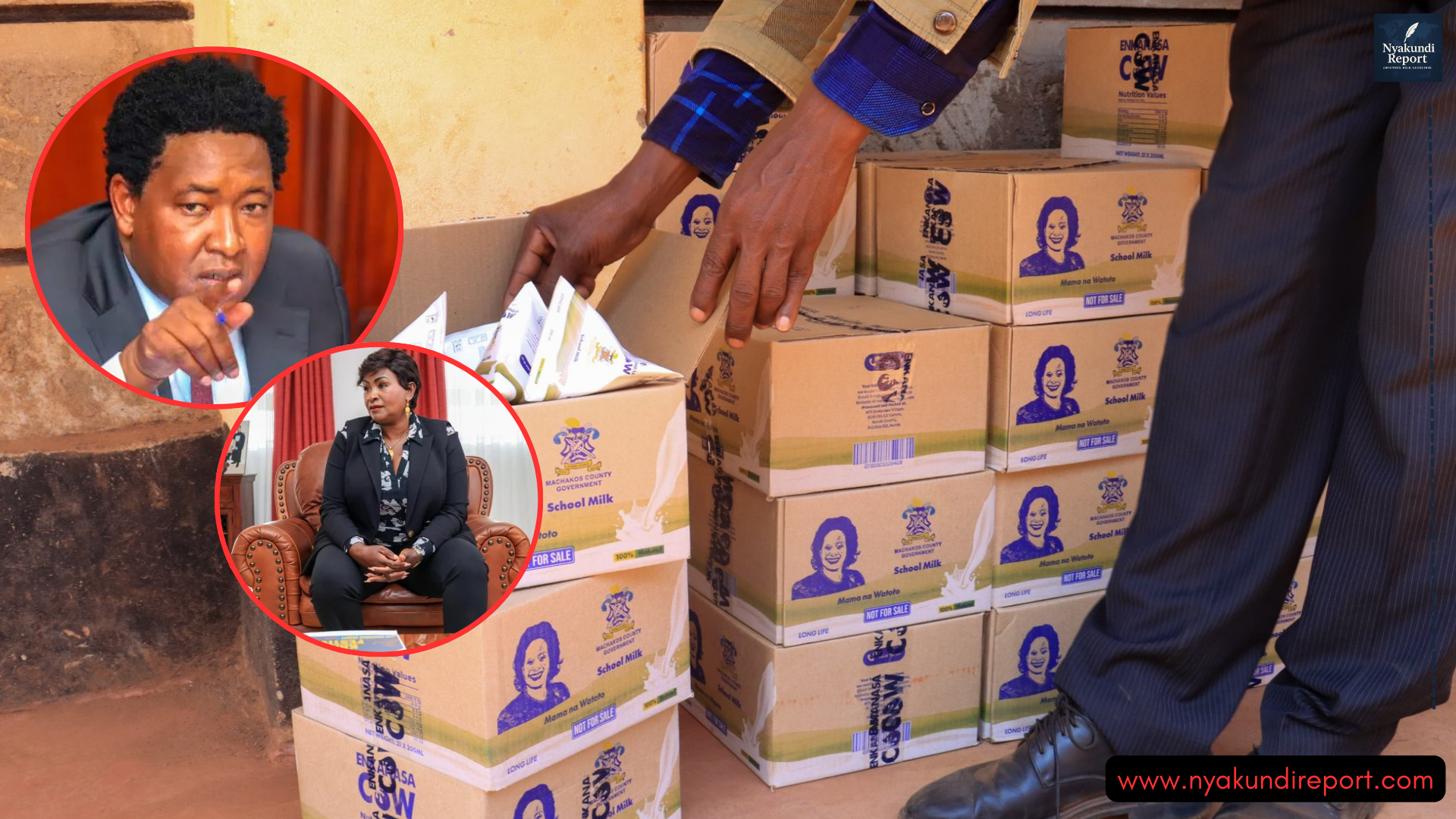
Observers note that the Kisii situation mirrors prior incidents in other counties. For example, Machakos Senator Wavinya Ndeti reportedly gave in to Ledama’s pressure, awarding a milk tender to his business. Kisii’s Arati, however, resisted, elevating the confrontation to national attention and exposing the predatory tactics sometimes used by senators under the guise of oversight.
Evidence of Tender Capture
Further evidence supporting concerns about tender manipulation has surfaced, intensifying public scrutiny. Photographs circulating online show cartons labeled “Machakos County Government School Milk” with “NOT FOR SALE” markings, processed and packed in Narok County. This traceable supply chain demonstrates how county tenders can be diverted to politically connected suppliers.
Public interest groups argue that such incidents reveal a broader problem: recurring, high-volume contracts in sectors like school milk are vulnerable to capture by senators or influential figures with direct commercial interests. The KCC award in Kisii, in contrast, represents a rare stand against such interference, highlighting the importance of institutional integrity in county procurement.
Experts warn that if unchecked, senators using oversight committees as leverage for private business can undermine public trust. “We cannot allow public offices to be instruments of personal enrichment,” a policy analyst said. “This isn’t just Kisii; it is a warning for all counties about the risk of political capture.”
Calls for Accountability
Civil society and governance watchdogs are increasingly vocal about naming and shaming officials engaged in tender pressure. The CoG statement makes it clear that senators like Ledama and others are now on notice: attempts to manipulate county procurement will be publicly exposed.
Kisii County officials have called for systemic reforms to protect county programmes from political and personal interference. These include stronger legal safeguards for procurement, transparent supply chain verification, and independent monitoring of CPAC proceedings.
Meanwhile, the public is left questioning the boundaries of legitimate Senate oversight. Is the loud, aggressive, and public criticism of a county government genuine accountability, or a tactic to secure contracts and punish counties that refuse to bend? Kisii’s decision to prioritize process over pressure may serve as a benchmark for ethical governance in Kenya’s devolved system.
Wrapping Up
Olekina Ledama’s clash with Kisii leaders is more than a political quarrel; it is a case study in the misuse of legislative power for personal gain. The episode exposes how high-profile senators can manipulate oversight committees to exert commercial and political pressure on counties.
Kisii’s refusal to award the milk tender to Ledama’s business demonstrates courage and a commitment to public interest, while the subsequent Senate theatrics highlight the urgent need for accountability mechanisms to prevent such extortionist behavior.
As Kenya’s counties continue to manage critical public programmes, the line between legitimate oversight and personal enrichment must be clearly drawn. Without reforms and vigilance, more counties may face the same threats of blackmail and tender capture, undermining the integrity of devolved governance.
Olekina Ledama’s public outburst, the Machakos precedent, and the evidence of targeted tender manipulation all signal that Kenya’s Senate, while intended as a guardian of public funds, can also become a platform for abuse. Naming, shaming, and reforming these practices is the only way to protect county governance and restore public confidence in oversight institutions.