Detectives in Nyali have launched investigations into a daring M-Pesa scam that exposed growing weaknesses in mobile money transactions at retail shops. The case has put small businesses on high alert after two well-dressed women allegedly walked into a bookshop and walked out with goods they never paid for. Police say the suspects used deception, confidence, and technology to beat the system. The incident happened in broad daylight and targeted an unsuspecting teller. Police believe the crime forms part of a wider trend of mobile money fraud spreading across urban centres. As detectives hunt for the suspects, the case highlights serious gaps in payment verification and the rising sophistication of scammers. This Nyali case shows how fast digital fraud is evolving, forcing businesses and authorities to tighten safeguards or risk losing money to bold M-Pesa scam syndicates. How the M-Pesa Scam Unfolded at Nyali Bookshop The M-Pesa scam occurred at Read and Shine Bookshop along Oliander Drive in Nyali, Mombasa. According to police reports, the two women entered the shop appearing calm and confident. They selected several items and proceeded to the counter to pay. Instead of making an actual payment, the suspects allegedly showed the teller a manipulated M-Pesa confirmation message. The message appeared genuine at first glance. It displayed the expected transaction details and confirmation tone. The teller trusted the message and released the goods. Moments later, the women left the shop without raising suspicion. Staff only realised something was wrong after checking the M-Pesa till and finding no matching transaction. By then, the suspects had vanished. The shop management immediately reported the matter to Nyali Police Station. Detectives opened a file and began piecing together how the fraud occurred. Police Investigations and Hunt for Suspects Nyali detectives have treated the case as a serious M-Pesa scam involving deliberate fraud. Officers have already visited the bookshop to record statements from staff and management. They have also reviewed transaction logs to confirm that no payment hit the till. Police are now analysing CCTV footage from the bookshop and nearby businesses. Investigators believe the suspects may have planned the crime carefully and could be part of a wider syndicate targeting retail outlets. Detectives are also tracking possible digital footprints linked to the doctored message. They say such scams often involve apps or edited screenshots designed to mimic real M-Pesa confirmations. Authorities have urged members of the public with information to come forward as the hunt for the suspects intensifies. Rising M-Pesa Scam Threat to Small Businesses The Nyali incident reflects a wider M-Pesa scam problem facing small businesses across Kenya. Fraudsters now exploit trust in mobile money systems and the pressure on tellers during busy hours. Police warn that scammers often dress well and act confidently to lower suspicion. They rely on speed and distraction to complete the fraud before verification. Security experts advise businesses to confirm every M-Pesa payment directly on the till or phone before releasing goods. They also urge shop owners to train staff on common scam tactics and invest in clear payment verification procedures. As Nyali detectives continue their probe, the case serves as a warning. Mobile money remains convenient, but without strict checks, scammers will keep finding ways to exploit it.
Nyali M-Pesa Scam Exposed as Slick Fraudsters Clean Out Bookshop
N
Newsroom Updated 3 min read
Primary source nyakundireportblog
Story · Nyali M-Pesa Scam Exposed as Slick Fraudsters Clean Out Bookshop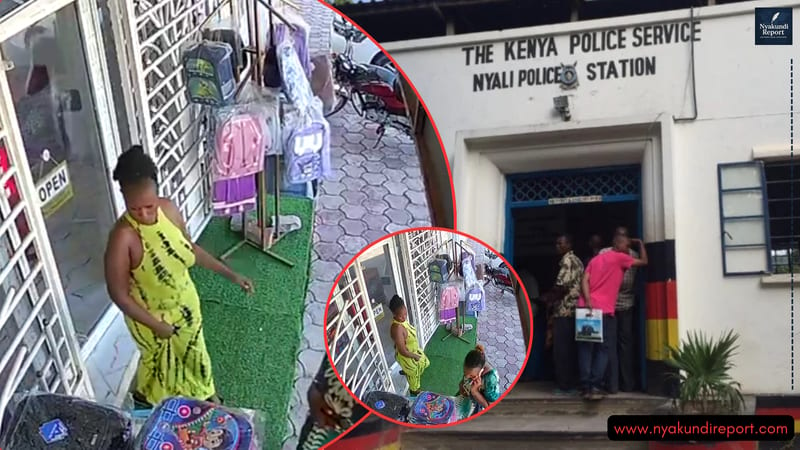
Next read
Elburgon Land Wars — How Armed Goons Are Driving Legal Landowners From Their Homes While Local Leaders Watch
25 April 2026 · 5 min read