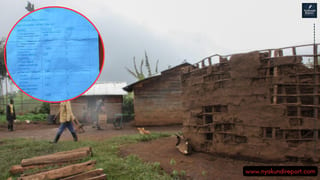
Fear has settled deep in Kilimani. Residents now whisper, lock doors early, and avoid speaking to police. A dreaded criminal network, widely known by locals as the Kilimani Gang, has grown bold and ruthless. The gang operates in plain sight, breaks into homes, and walks free. Residents say a powerful politician protects the group and blocks justice at every turn. What happened at Sohail Court over Christmas exposed a dangerous truth. Crime thrives in Kilimani not because of weak laws, but because powerful hands shield criminals. The Kilimani Gang’s reign shows how crime thrives under protection and silence. Residents demand accountability, justice, and safety, hoping one day influence no longer shields criminals from the law. How the Kilimani Gang Operates Under Political Protection Residents describe a chilling pattern. The Kilimani Gang does not act randomly. It plans. It recruits insiders. It relies on fear and influence to beat the system.
The Christmas break-in exposed the network. A Sky Patrol security guard allegedly coordinated the attempted theft. A carpenter who does odd jobs inside the court joined the plan. A boda boda rider assisted with movement and escape. Workers linked to the management company allegedly played support roles. The gang moved with confidence because they believed no one would touch them.
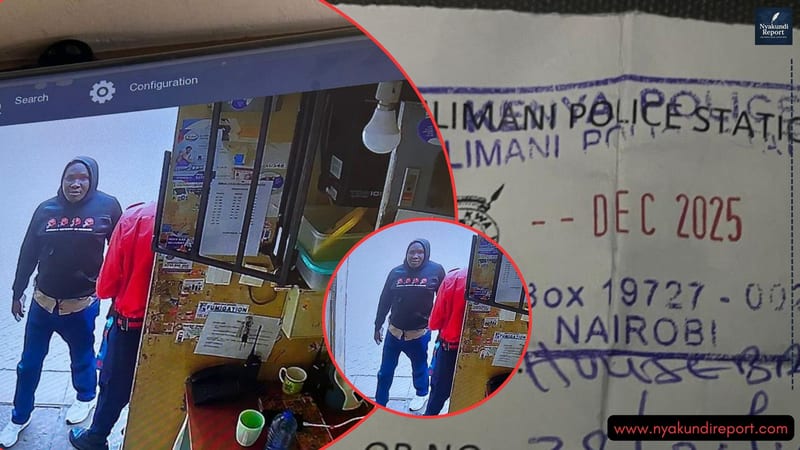
Residents reported the crime at Kilimani Police Station. Officers arrested the security guard. CCTV cameras captured clear images of the suspects. The case looked solid. Then everything went quiet.
Sources within the estate say a prominent politician stepped in. The guard walked free. Investigations slowed. Officers stopped calling witnesses. Managers avoided meetings. Court officials refused to speak. A thick code of silence settled over Sohail Court.
This silence did not come by chance. Residents believe power crushed procedure. Influence replaced the law. The Kilimani Gang benefited. CCTV Evidence Ignored as Suspects Roam Free CCTV footage tells a clear story, according to residents who reviewed it. Cameras show faces. Cameras show movements. Cameras show coordination. Yet arrests never followed.
The carpenter still stands outside the court. He boasts openly. Witnesses say he claims family ties to the powerful politician. He tells residents no one can arrest him. He laughs at the system. That confidence terrifies the neighborhood.
The Kilimani Gang thrives on this arrogance. When suspects walk free despite evidence, criminals feel emboldened. Residents feel abandoned. Families now double-lock doors even during the day. Tenants avoid strangers. Trust has collapsed.
Security firms face hard questions too. How did a guard turn criminal? Why did management staff allegedly assist? Why has no internal audit happened? Silence answers these questions for now. Kilimani Police Under Fire for Silence and Inaction Kilimani Police Station now sits at the center of public anger. Residents say officers recorded the report but failed to act. They say pressure from above killed momentum. They say fear now guides decisions.
Police deny wrongdoing, but actions speak louder. No follow-up arrests occurred. No public update came out. No protection reached witnesses. The gang still operates in the shadows, confident that influence shields it.
This failure hurts more than one estate. It sends a message across Kilimani . Crime pays if you know the right people. The law bends for power. Ordinary citizens stand alone.
Residents now demand accountability. They want the case reopened. They want CCTV evidence reviewed independently. They want the alleged political interference investigated. They want protection from retaliation.
The gang represents more than theft. It shows how corruption feeds crime. When leaders shield suspects, criminals grow bolder. When police fall silent, fear takes over.
Kilimani residents refuse to stay quiet forever. They want justice. They want safety. They want a city where power does not excuse crime. Until then, the Kilimani Gang continues to terrorize, protected not by darkness, but by influence.