President William Ruto is today expected to make a historic appearance at the Nairobi County Assembly on Thursday, 9th April 2026. He will address Members of County Assembly (MCAs) on a multibillion-shilling cooperation deal between city hall and the national government. This will be the first time a sitting president formally addresses the Nairobi Assembly since devolution was introduced 16 years ago. Thus, underscoring the political and economic weight attached to the capital city. President William Ruto is set to make a historic address to Nairobi MCAs on a Sh80 billion cooperation deal between the national government and City Hall, outlining joint plans for roads, markets, waste management and key services aimed at transforming Kenya’s capital. Focus on the Sh80 billion cooperation agreement At the center of the address is an Sh80 billion cooperation framework that outlines how the national government and Nairobi City County will jointly plan and finance key infrastructure, transport, and service delivery projects. The deal is expected to cover upgrades to roads, waste management, street lighting, markets, and settlement upgrading. Also, aiming to ease congestion and improve the business environment in the city. Prime Cabinet Secretary Musalia Mudavadi, who chairs the steering committee overseeing implementation, on Wednesday led a joint preparatory meeting ahead of the president’s speech. His office has framed the cooperation pact as a model for structured national–county collaboration. Indeed, where clear roles and funding lines are agreed upon in advance rather than through ad hoc interventions. Why Nairobi matters politically and economically Nairobi, which hosts nearly all major national institutions and is the country’s commercial nerve centre, remains critical to the success of President Ruto’s broader economic agenda. Businesses in the city are still adjusting to a slower growth environment, even as inflation remains relatively contained. Therefore, making the promise of new investment in infrastructure and services highly politically salient. For MCAs, the president’s address is both an opportunity and a test: they have pushed for more resources and influence but will also be under pressure to show that additional national funding translates into visible improvements for residents. The session is also likely to shape future debates around how far the national government can or should go in directly steering development within devolved units. What Nairobi residents should watch for City residents will be watching for concrete timelines, project lists, and accountability mechanisms rather than broad promises. The success of the Sh80 billion deal will hinge on transparent procurement and coordination between different agencies. And minimal disruption to small businesses and public transport during implementation. If the cooperation framework delivers, it could strengthen the case for similar structured partnerships between the national government and other counties hosting major economic corridors. If it stalls or gets mired in politics and bureaucracy, today’s historic address risks being remembered more for symbolism than for real change in Kenya’s largest city. ALSO READ: Kenya Blocks Controversial Fuel Shipments as Oil Import Scandal Topples Key Officials
Historic First as President Ruto Addresses Nairobi MCAs on Sh80 Billion City Deal
N
Newsroom Updated 3 min read
Primary source nyakundireportblog
Story · Historic First as President Ruto Addresses Nairobi MCAs on Sh80 Billion City Deal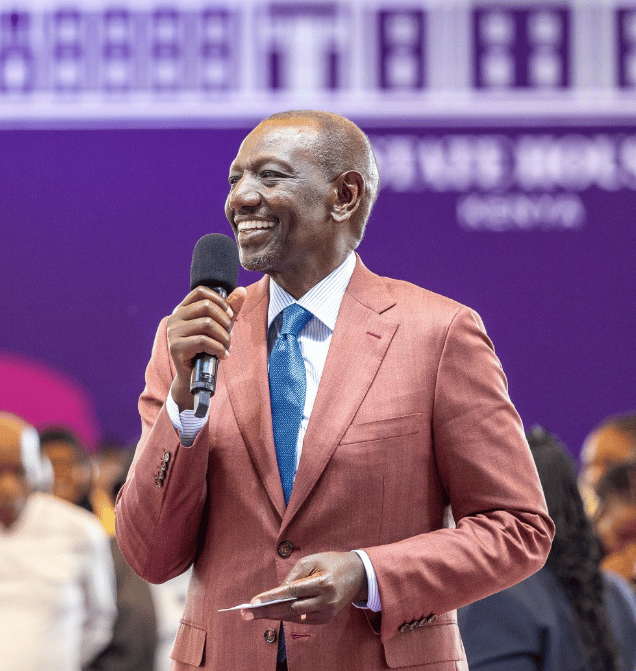
Next read
Elburgon Land Wars — How Armed Goons Are Driving Legal Landowners From Their Homes While Local Leaders Watch
25 April 2026 · 5 min read