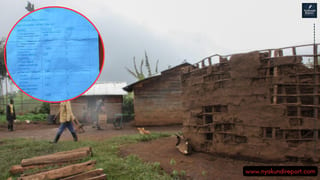
The long and painful legal battle over the murder of cancer patient Cosmas Mutunga has finally come to an end. A Nairobi court has acquitted four staff members from Kenyatta National Hospital KNH who had faced murder charges for nearly a decade. The ruling closes one of Kenya’s most disturbing hospital death cases, where a patient was found brutally killed inside a public health facility. While the acquittal frees the accused, it raises deeper questions about hospital security, investigations, and justice for victims. The acquittal closes a painful chapter but leaves troubling questions about hospital safety, investigations, and justice unanswered, with Cosmas Mutunga’s brutal death still unresolved years later. Court Finds No Proof in Murder of Cancer Patient Cosmas Mutunga The High Court sitting at Milimani Law Courts on Friday December 19 acquitted four Kenyatta National Hospital staff members accused of murdering cancer patient Cosmas Mutunga. The accused included three nurses and one support staff member. The court ruled that the prosecution failed to prove their involvement in the death beyond reasonable doubt. Justice noted that the evidence presented did not link the accused directly to the fatal injuries sustained by Mutunga. The judge stated that the suspects did not act with malice or intent to kill. The ruling brought to a close a case that has dragged on since 2015 and left families, hospital workers, and the public searching for answers. Cosmas Mutunga was 42 years old at the time of his death. Gruesome Details That Shocked the Nation Cosmas Mutunga was admitted to Kenyatta National Hospital on November 8, 2015 for cancer treatment. On November 29, hospital staff found him dead inside the facility. His body showed clear signs of extreme violence. Medical reports revealed multiple stab wounds. His right leg was broken. One of his eyes had been gouged out. The brutality of the killing stunned the country. Many Kenyans questioned how such an attack could occur inside the nation’s largest referral hospital. Investigators initially focused on hospital staff who had access to the ward where Mutunga was receiving treatment. Why the Court Acquitted the Accused In delivering the judgment, the court emphasized gaps in the prosecution’s case. The judge stated that there was no direct or circumstantial evidence placing the accused at the scene of the crime at the time of death. The court also highlighted that the hospital environment allowed access to many people beyond staff. The judge said the possibility of a third party committing the crime was never ruled out. The accused persons did not act with the intent to kill or cause grievous bodily harm and there is no evidence to rebut the possibility that the fatal act was committed by an unknown third party The court noted that Mutunga’s medical condition required constant care and movement by different health workers and visitors. Timeline of Key Events in the Case Date Event November 8, 2015 Cosmas Mutunga admitted to KNH November 29, 2015 Mutunga found dead in hospital 2016 Four staff arrested and released on bail 2016 to 2024 Trial delayed by hearings and assessments December 19, 2025 Court acquits all accused The accused had been out on bail of Ksh 300,000 each since 2016. Nurses Union Pushes Back Against Arrests During the early stages of the trial, the Kenya National Union of Nurses KNUN strongly criticized the arrests. Union officials argued that investigators rushed to blame frontline health workers instead of addressing security failures at the hospital. KNUN leaders said the staff were being treated as scapegoats. They also warned that criminalizing nurses for institutional failures would demoralize healthcare workers across the country. At several court sessions, fellow nurses gathered outside Milimani Law Courts to show solidarity with the accused. Mental Assessments and Long Legal Delays Before the trial progressed, the nurses and the support staff were subjected to mental assessments to determine their fitness to plead. These procedures caused delays and added to the emotional toll on the accused and their families. The case stretched for nearly ten years due to adjournments, witness issues, and procedural hurdles. Legal experts say such delays weaken cases and erode public confidence in the justice system. Security Gaps Remain Unanswered While the acquittal ends the criminal case, it leaves major questions unresolved. Who killed Cosmas Mutunga inside a public hospital? How did an attacker gain access to a patient ward? Why did investigations fail to identify alternative suspects? The court itself noted that the hospital setting allowed access by unknown individuals. KNUN has repeated its call for better surveillance, controlled access, and accountability at major hospitals.
Four KNH Staff Walk Free After Court Clears Them in Murder of Cancer Patient Cosmas Mutunga
N
Newsroom Updated 4 min read
Primary source nyakundireportblog
Story · Four KNH Staff Walk Free After Court Clears Them in Murder of Cancer Patient Cosmas Mutunga
Next read
Elburgon Land Wars — How Armed Goons Are Driving Legal Landowners From Their Homes While Local Leaders Watch
25 April 2026 · 5 min read