
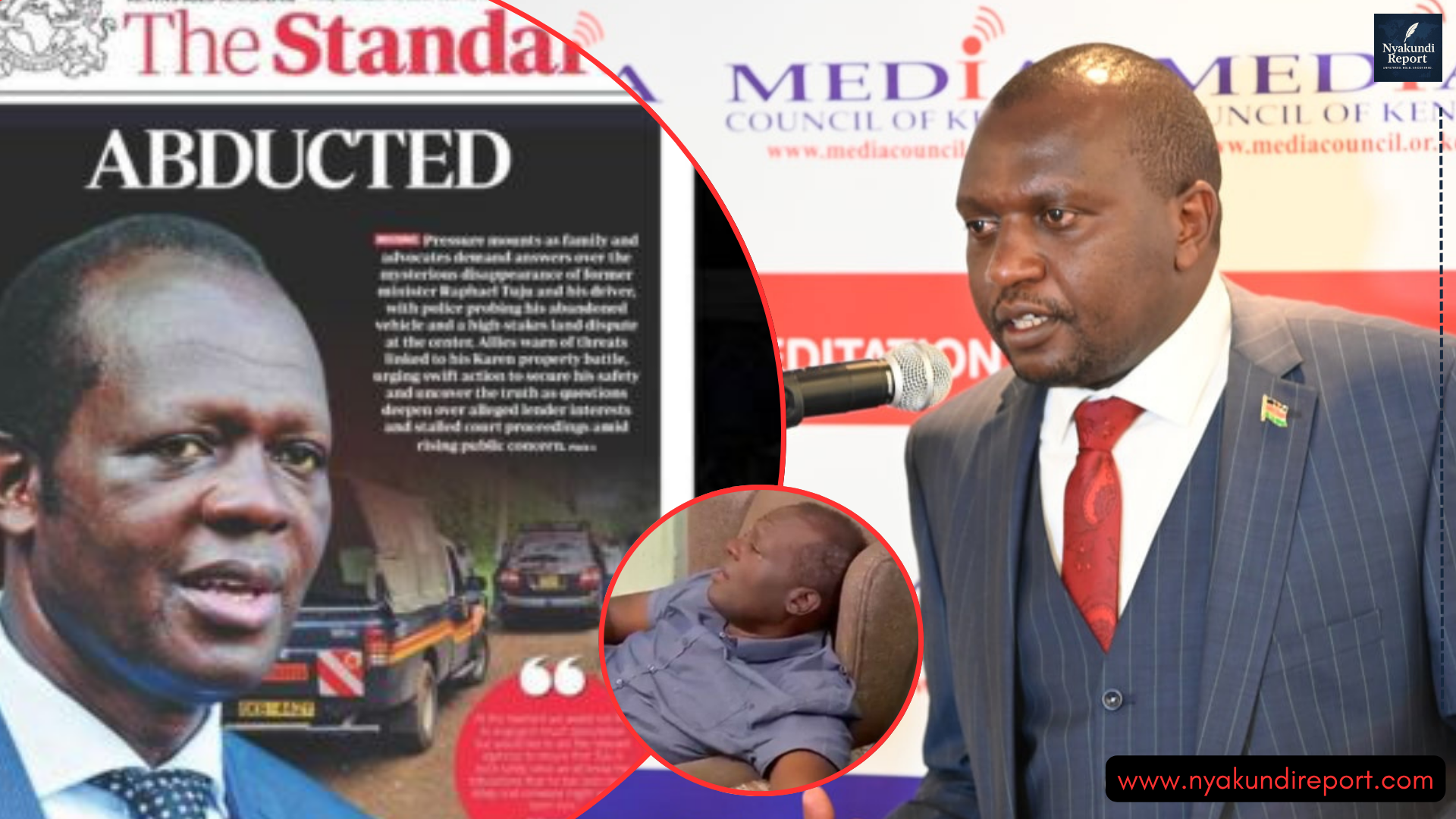



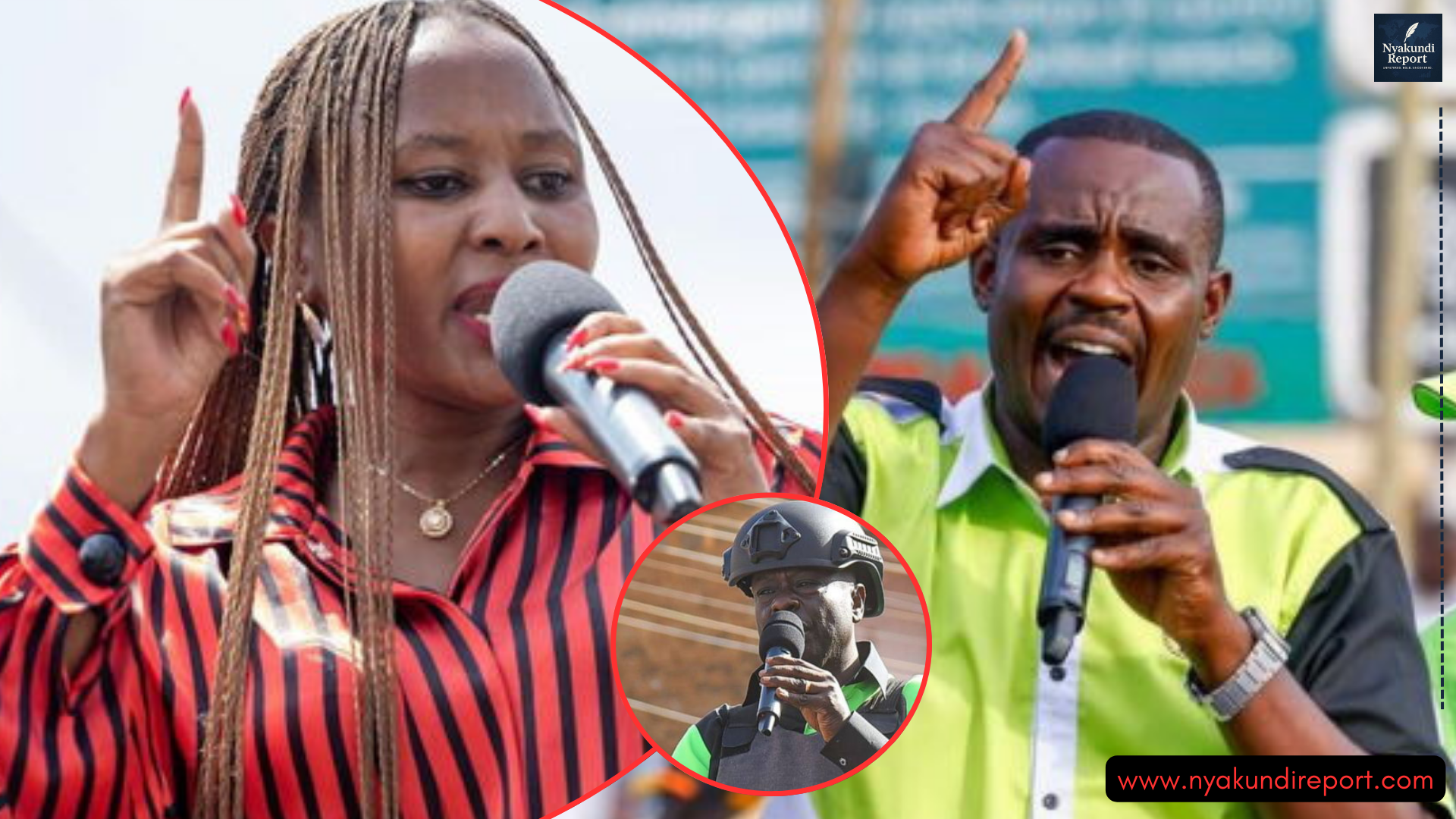
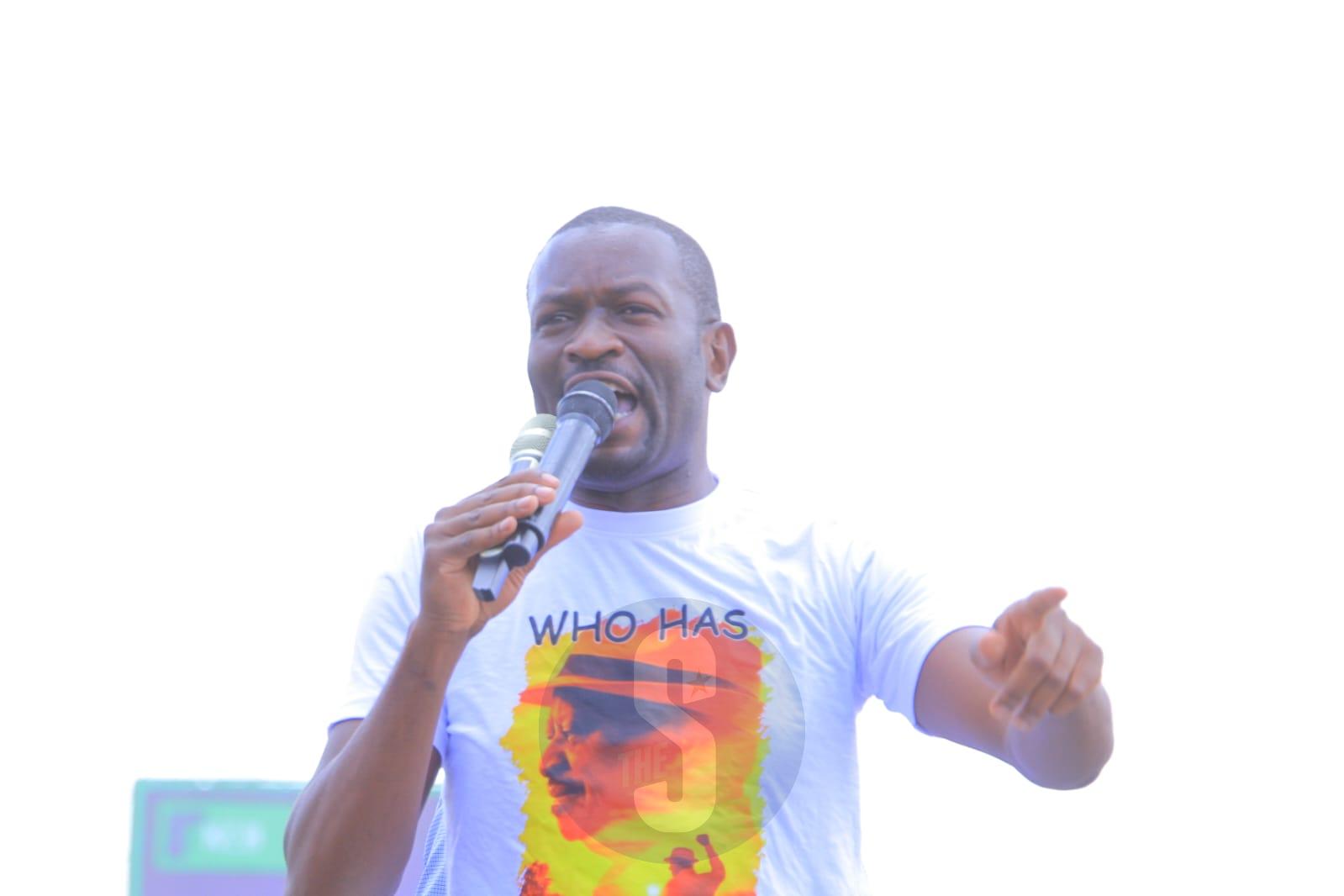






The removal of Edwin Sifuna from the Orange Democratic Movement (ODM) National Executive Committee (NEC) is more than an internal party reshuffle.
It is a political signal, one that exposes growing ideological rifts, leadership anxieties, and the uneasy future of opposition politics in Kenya.
A “discipline” problem—or a politics problem?
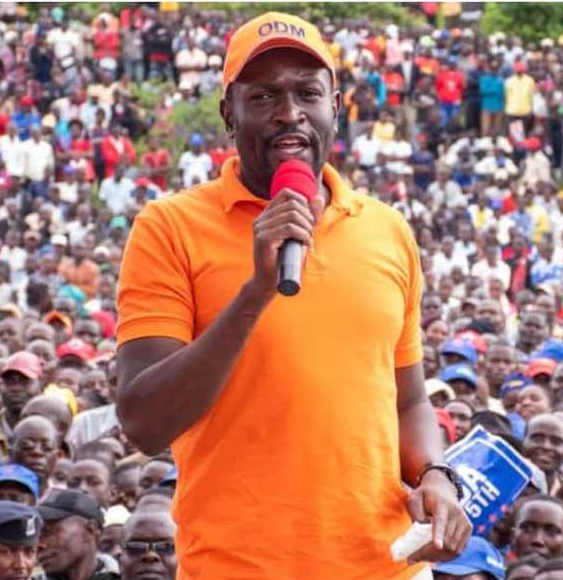
In Mombasa, ODM’s NEC resolved to remove Nairobi Senator Edwin Sifuna from his position as Secretary General with immediate effect.
Indeed, a move that automatically kicks him out of the NEC inner circle.
The decision was read by Deputy Secretary-General Catherine Omanyo, who was also named acting SG pending fresh elections.
The official explanation is couched in sober, constitutional language:
NEC “deliberated on matters relating to the conduct” of Sifuna.
It cited discipline and leadership conduct within senior ranks.
It insisted the move was taken “in accordance with the party constitution and applicable laws.”
On paper, this is about upholding order and collective responsibility.
In reality, everyone watching Kenyan politics understands that Sifuna’s real crime was political: he repeatedly challenged the direction ODM is being steered under Oburu Oginga’s leadership.
Especially the quiet accommodation with President William Ruto’s administration.
Punishing the loudest mirror
Sifuna has been many things for ODM: a sharp‑tongued attack dog, an effective communicator, and one of the few leaders willing to articulate uncomfortable truths about the party’s strategy even when those truths cut close to home.
He has:
Publicly questioned the broad‑based government/cooperation with Ruto, warning that ODM is risking its identity as a clear opposition voice.
Resisted efforts to drag ODM into pre‑coalition talks with UDA, a step many supporters see as ideological betrayal.
Signalled that loyalty to ODM’s base and values should count more than loyalty to temporary elite bargains.
For this, he was branded a “rebel” by the faction that has embraced cooperation with the State House as “strategic.”
When that same faction convenes a “high‑stakes” NEC in Mombasa, chaired by Oburu, advertised in advance as the meeting that might remove Sifuna, and then proceeds to fire him in absentia, it is hard to pretend this is merely about procedure.
What ODM calls a problem of discipline is, in truth, a problem with the mirror: Sifuna reflected the contradictions of a party that still campaigns as an anti‑establishment force while cutting deals at the top.
Removing him does not solve that contradiction; it just removes the loudest person pointing it out.
What this does to ODM’s brand
The immediate effect is a reshaped NEC with one less independent voice at the table and one more signal that conformity is safer than candor.
But the deeper cost is reputational.
ODM built its brand on:
Standing up to the State.
Defending multi‑party democracy.
Tolerating, even thriving on, internal debate from the Pentagon days to the big tent of the 2010s.
By removing Sifuna at the very moment the party is debating whether to inch closer to UDA, ODM sends three messages:
Internal democracy has tight limits. You can disagree softly, behind closed doors, but not loudly enough to mobilize the base or disrupt elite plans.
The NEC is now an instrument of factional will. It can be used to tidy up “discipline issues” that are, in fact, ideological differences over cooperation with power.
The party will risk alienating vocal, urban, and youth constituencies if it stands in the way of its strategic pivot.
For a party that still relies heavily on youthful, urban, and reformist energy, especially in Nairobi and Western,n this is a dangerous gamble.
As The Standard noted, some in ODM privately fear that punishing him could actually boost Sifuna’s stature in Western Kenya, the way a high‑profile impeachment can turn a politician into a martyr.
The bigger question: who is ODM for?
Sifuna’s ouster forces a blunt question that ODM has tried to finesse since 2022: Is the party still fundamentally for the opposition voter, or is it now primarily for the political class repositioning itself in a post‑Raila era?
If ODM were confident in its long‑term project, it would treat leaders like Sifuna as assets, evidence that the party can accommodate robust debate and still function.
Instead, the instinct has been to “resolve” disagreement by removing the person rather than resolving the underlying argument.
That argument is not trivial.
It is about:
Whether joining or edging towards government structures without clear, transparent terms is strategic realism or mere survival politics.
Whether ODM’s future lies in being a distinct alternative or a partner in an evolving ruling coalition.
Whether younger leaders will have meaningful space to shape that future or only to implement decisions taken somewhere else.
By firing Sifuna and elevating an acting SG from the same camp that pushed for his removal, ODM has chosen clarity for now over balance.
But clarity can cut both ways: it reassures one side while pushing another toward the exit.
Beyond One Man
Ultimately, this is not just about Edwin Sifuna.
Political parties are institutions, not individuals. But institutions are judged by how they handle strong personalities within their ranks.
If Sifuna continues to command public attention and influence outside the NEC, the move could backfire, turning him into a symbol of suppressed dissent.
If, however, the party consolidates and clarifies its strategic direction, it may weather the storm.
What remains undeniable is that ODM’s internal cohesion now faces public scrutiny.
At a time when Kenya’s opposition must redefine its role in a complex political environment, unity cannot come at the cost of vitality.
Sifuna’s ouster is a reminder that the real battle in Kenyan politics is often fought within parties before it is fought across the aisle.
Whether this marks discipline, drift, or deliberate transformation will become clearer as 2027 approaches.
Sifuna may have lost his seat at the NEC table, but in the court of public opinion, his “rebellion” has only enhanced his profile as a leader who refuses to be bought.
The 2027 race just got a lot more interesting.
ALSO READ: Caleb Amisi Removed from ODM NEC Amid Growing Internal Rifts