Transparency International Kenya has sounded the alarm over what it describes as a growing corruption crisis in the country's sports sector, warning that sponsorship deals have become a lucrative avenue for the misuse of millions of shillings meant to develop athletes and sporting institutions.
The anti-corruption watchdog says weak governance, opaque procurement systems, and poor oversight have created an environment where commercial sponsorships are increasingly vulnerable to kickbacks, conflicts of interest, and outright diversion of funds.
The warning comes amid heightened scrutiny of financial management in Kenyan sports, with several federations facing allegations of mismanagement and corruption.

Sponsorship Deals Under Fresh Scrutiny 
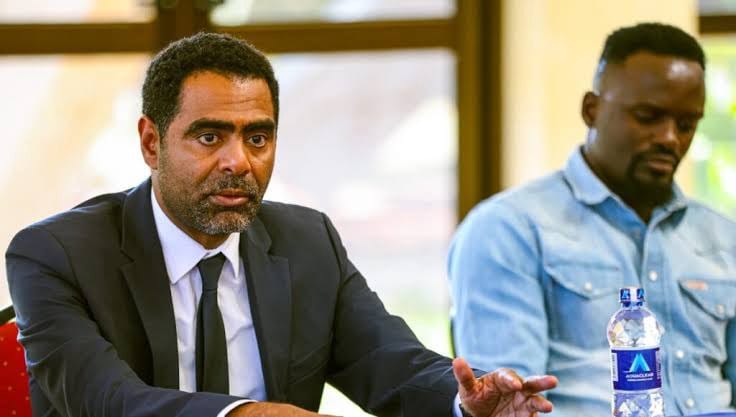
Speaking during a sports governance roundtable, Transparency International Kenya Executive Director Sheila Masinde warned that corruption is steadily shifting from traditional procurement processes to sponsorship agreements involving both public and private entities.
According to Masinde, Kenya's sports governance framework remains dangerously weak, with the country scoring just 30 out of 100 on the Sports Governance Index—well below the recommended benchmark of 43.
She argued that the low rating reflects systemic failures in transparency, accountability and financial management across sports institutions.
"If this is not addressed, it allows sports officials who are not well-intentioned to siphon funds, demand kickbacks or accept personal favours in return for awarding lucrative brand contracts," Masinde said.
She noted that the absence of strong oversight mechanisms allows sponsorship money intended for athletes, competitions, and infrastructure to be diverted for personal gain.
Calls for Greater Transparency 
To address the growing risks, Transparency International is urging sports federations and corporate sponsors to adopt stricter governance standards before entering sponsorship agreements.
Masinde called for comprehensive due diligence on officials negotiating commercial partnerships, public disclosure of sponsorship contracts and stronger financial reporting to improve accountability.
She also recommended establishing independent oversight structures within sports organisations to monitor sponsorship arrangements and ensure procurement processes meet the same transparency standards applied in other sectors of the economy.
The recommendations are intended to curb abuse of commercial partnerships while restoring confidence among sponsors increasingly concerned about governance risks.
Warning Comes Amid FKF Investigations 
The latest warning comes as corruption allegations continue to dominate Kenya's sports sector.
Recently, the Ethics and Anti-Corruption Commission (EACC) confirmed it was investigating an alleged Ksh42 million insurance procurement involving the Football Kenya Federation (FKF) linked to preparations for the African Nations Championship (CHAN).
Although the commission clarified that its visit to FKF offices formed part of preliminary investigations rather than a raid, the case has intensified concerns over financial accountability within sports institutions.
While investigations remain ongoing, Transparency International says the controversy illustrates why stronger governance reforms can no longer be delayed.
The organisation argues that without transparent procurement systems, independent oversight and full disclosure of sponsorship agreements, corruption risks will continue undermining investment in Kenyan sports and denying athletes the resources intended for their development.
As government and private sector investment in sports continues to grow, governance experts warn that strengthening accountability will be just as important as increasing funding if Kenya hopes to build a credible, competitive and financially sustainable sporting ecosystem.