This archive report was first published on 10 July 2021.
On June 24-27, 2021, the WRC Safari Rally took place in the Hellgate Wildlife Reserve area, sparking concerns about animal safety. However, thanks to careful planning and conservation efforts, no animal was harmed during the event.
Kenya's wildlife industry is a significant contributor to the country's tourism sector, generating approximately $1.61 billion in foreign exchange, according to the 2019 government macroeconomic report. The risk of racing in a wildlife reserve area was seen as a challenge to the industry, which had already been impacted by the COVID-19 pandemic.
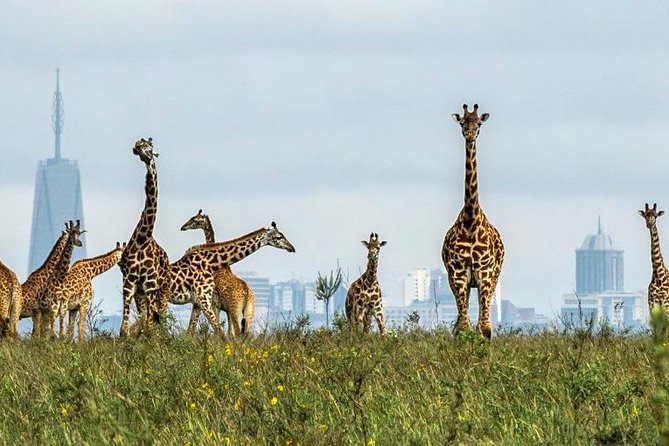
Kenya's unique position as a country with a National Park in its capital city, Nairobi, highlights the importance of wildlife conservation in the country. The Safari Rally route covered various wilderness environments, including Kedong, Oserengon, Loldia, Malewa, Soysambu, Longonot National Park, and Hellsgate National Park.
Dr. Patrick Omondi, Director of KWRTI, explained the measures taken to ensure animal safety during the rally. 'We did a pre-survey of the routes, took all the mitigation measures, mapped out all the animal routes, crossing areas, and distribution pattern to ensure that no animal was injured before and during the Rally.'
Additional measures included deploying safety marshals every 5 km, advance road clearance vehicles, and waste management systems. According to Brig (Rtd) John Waweru, KWS Director General, these measures ensured no wildlife-related incidents were recorded during the rally.