This archive report was first published on 3 May 2021.
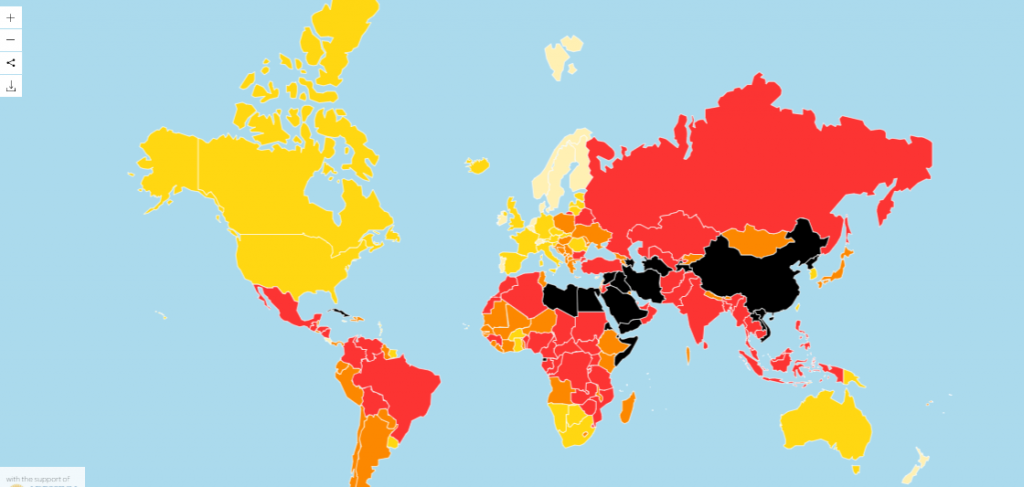
Kenya's media freedom has been touted as one of the continent's most robust, but a closer look reveals a different story. The country's ranking in the 2021 Reporters Without Borders global press freedom index stands at 102 out of 180 countries.
While Kenya's media landscape may appear vibrant, the reality is that the country's media freedom is precarious and heavily influenced by the political and economic environment. The 2010 constitution guarantees press freedom, but respect for this freedom is far from guaranteed.
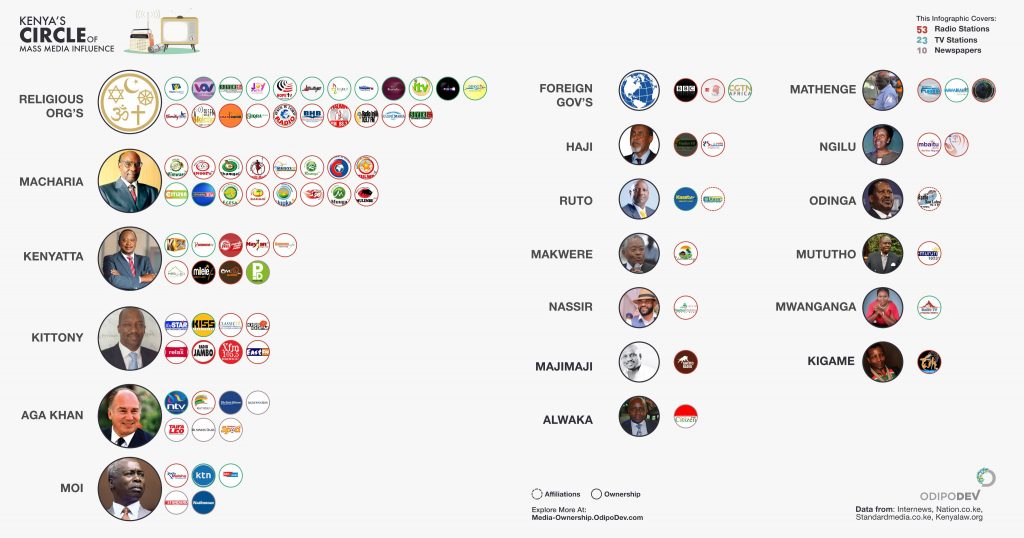
Politicians continue to wield significant influence over both state and privately-owned media, with many media outlets censoring themselves to avoid controversy or jeopardizing their income sources. Impunity is the norm, with investigations into violence or abuses against journalists rarely leading to convictions.
Research by OdipoDev in 2018 revealed that close to 37% of all newspaper, TV, and radio entities in Kenya have ownership exposed to proven political influence. This raises questions about the media's ability to deliver people-centric stories, rather than content driven by the interests of their owners and associates.
Media companies often acquiesce to demands to pull down or not publish stories touching on influential figures, companies, and their associates. This can be due to fear of harassment, intimidation, expensive legal battles, and loss of advertising revenue.
It's time for Kenyan media stakeholders to ask themselves if the illusion of press freedom is good enough. Are they ready to do what it takes to get the real thing? It's time to give media consumers more value than ever by telling truly bold, exciting, and impactful stories and redefining expectations of Kenyan media production.
It's also time to take on threats to press freedom head-on and demand that bodies like the Media Council of Kenya remain truly independent as envisaged by the 2010 Constitution.