This archive report was first published on 3 August 2020.
Eight Tips to Manage Oily Skin and Acne 
Published on August 3, 2020
Having oily skin can be frustrating, especially when it leads to acne and pimples. However, with the right skincare habits and a healthy diet, you can manage oily skin and reduce the occurrence of breakouts.
According to experts, oily skin can be caused by genetics, hormonal changes, and humid environments. This leads to an overproduction of sebum, the natural oil found on the skin. To manage oily skin, it's essential to cleanse regularly, exfoliate, and use the right products.
1. Cleanse Regularly
Cleansing your skin twice a day with a gentle cleaner is crucial in managing oily skin. This helps to remove dirt, oil, and makeup from your pores, reducing the risk of breakouts.

2. Exfoliate
Exfoliating your skin helps to remove dead skin cells that can clog pores and lead to breakouts. Use gentle exfoliators suitable for acne-prone skin or those that are gentle on the skin.
3. Check for the Right Ingredients
When choosing skincare products, look for water-based products and those that contain acids like glycolic acid, which are suitable for oily skin. Avoid products that contain alcohol and mineral oils, as they can clog pores and disrupt the skin's natural balance.
4. Incorporate a Healthy Diet
A healthy diet is essential in managing oily skin. Avoid greasy, sugary foods that can trigger breakouts and opt for healthier options instead.

5. Practice Good Makeup Hygiene
Using dirty brushes and sponges or expired makeup can clog pores and lead to breakouts. Always use clean applicators and throw out expired products to maintain a healthy skin balance.
6. Moisturize Your Skin
Moisturizing your skin is essential, even when you have oily skin. Use water-based products to keep your skin hydrated and balanced.
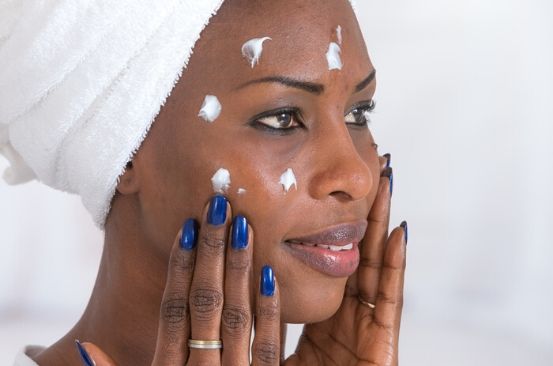
7. Be Gentle
When handling your skin, be gentle and avoid popping, scratching, or picking at breakouts. This can irritate the skin and lead to further breakouts.
8. Consult Your Dermatologist
Finally, consult your dermatologist for personalized advice on managing oily skin and acne. They can guide you on the best skincare routine and products for your skin type.