






















The Ksh389 billion investment pitch by Nikhil Gandhi and AriseIIP has captured headlines and political attention across Kenya. The promise is sweeping and ambitious, offering industrial parks, special economic zones, and more than 500,000 jobs within five years.
Government officials have welcomed the proposal as a potential turning point for Kenya’s struggling economy. However, beneath the optimism lies a growing wave of scrutiny from analysts, economists, and civil society groups who question both the credibility of the key figures involved and the long-term cost of such deals.
Gandhi’s track record and the structure of AriseIIP’s operations are now under intense examination, raising concerns about whether Africa is once again being drawn into agreements that prioritize external interests over sustainable national growth.
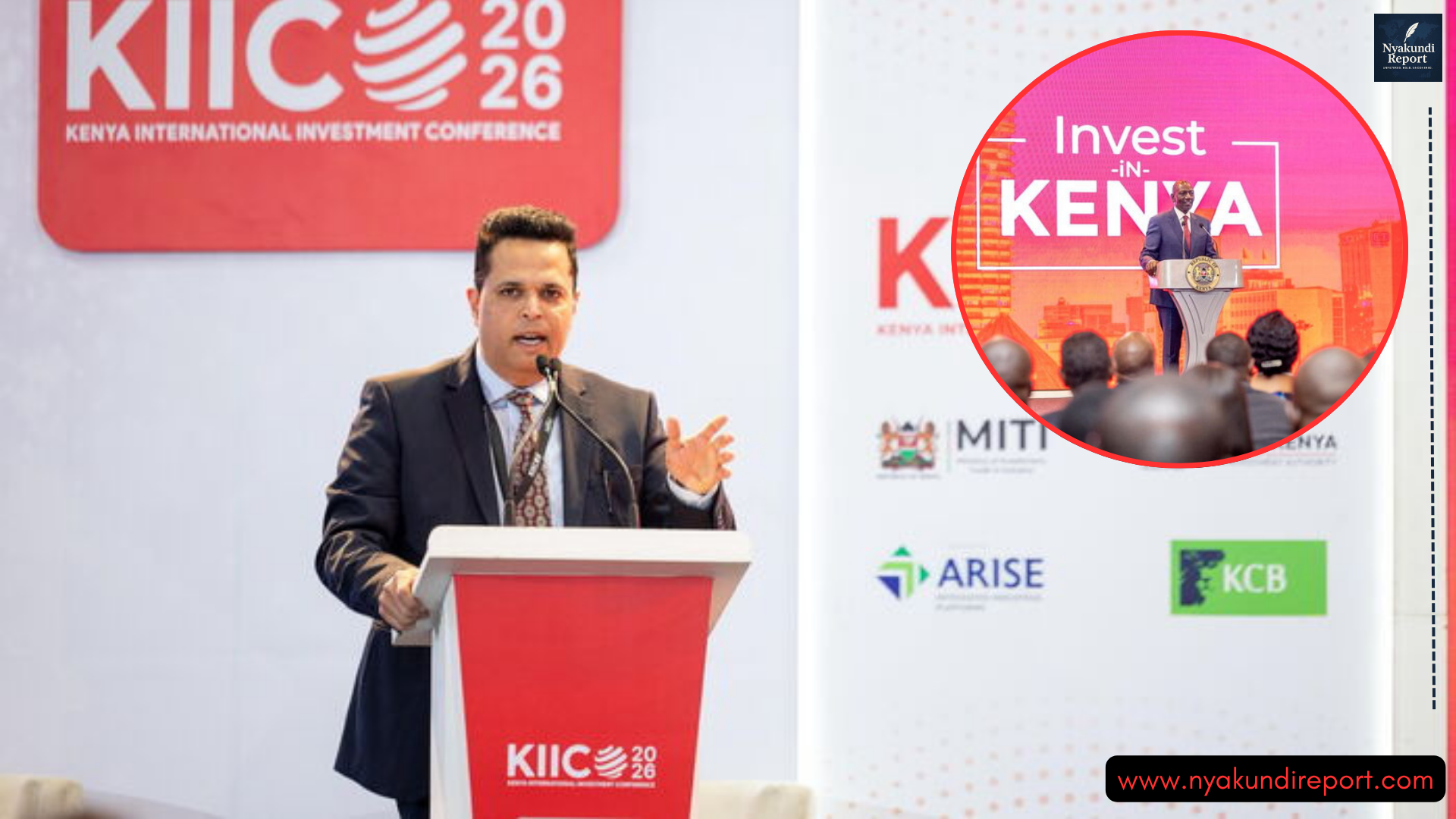
Nikhil Gandhi and Arise IIP Face Mounting Scrutiny Over Track Record And SEZ Strategy
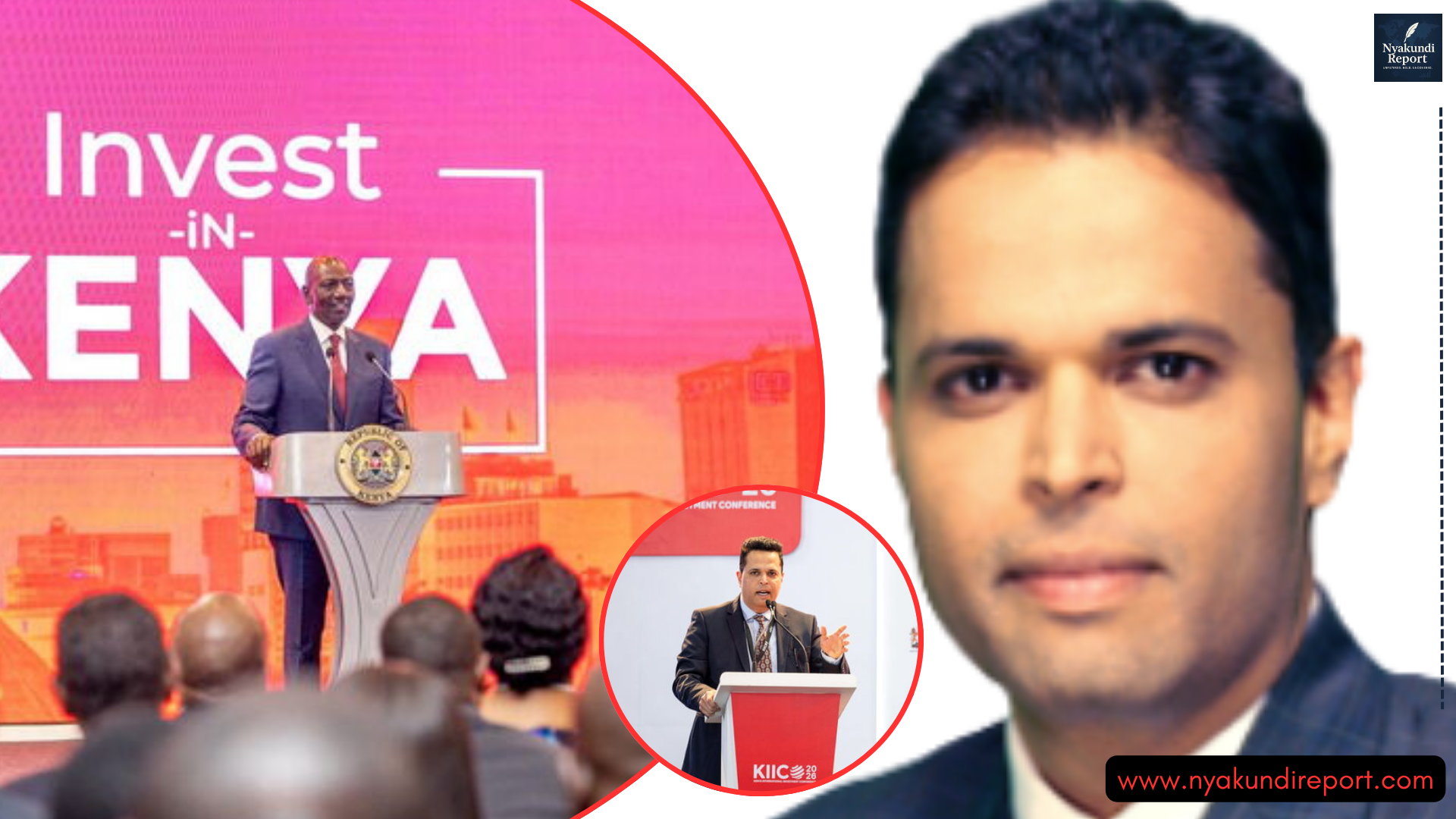
The announcement, made during the Kenya International Investment Conference, positions AriseIIP as a transformative force ready to reshape Kenya’s industrial base. The company plans to develop three special economic zones, allocate 4,500 acres for industrial use, and strengthen logistics networks across East Africa. President William Ruto witnessed the unveiling, signaling strong political backing for the initiative.
Gandhi, who serves as Executive Director and Chief Marketing Officer at AriseIIP, framed the project as a partnership-driven effort designed to unlock Kenya’s manufacturing potential. He emphasized job creation, investor confidence, and long-term economic stability as the core benefits.
Despite these assurances, critics argue that such large-scale promises often conceal deeper structural risks, particularly when they rely heavily on public-private partnerships and aggressive tax incentives.
Financial History Raises Red Flags About Credibility
Gandhi’s past involvement in India’s infrastructure sector continues to attract attention as he expands operations across Africa. Before his transition into media and later into international development projects, he played a leading role at SKIL Infrastructure, a company that faced serious financial and legal challenges.
In 2022, India’s Enforcement Directorate conducted raids linked to a loan-fraud investigation involving the firm. The situation escalated further as lenders pursued insolvency proceedings, claiming substantial unpaid debts. By 2025, Indian tribunals were still handling aspects of the company’s financial collapse.
Although Gandhi has not been convicted of wrongdoing, the scale and nature of these disputes have raised legitimate concerns among analysts evaluating his leadership in current multi-billion-dollar ventures. Financial credibility matters deeply in projects that depend on debt financing and long-term commitments from host governments.
For Kenya, the question is not only about investment size but also about the reliability of the individuals and institutions behind it.
Regulatory Battles At TikTok Reflect High-Risk Operating Style
Gandhi’s tenure as a senior executive at TikTok further illustrates his experience operating in complex and often controversial environments. As head of the platform across the Middle East, Africa, Turkey, and South Asia, he managed relationships with governments during a period of heightened global concern over digital security.
Authorities in several African countries raised issues related to data privacy, content moderation, and national security risks associated with the platform. At the same time, TikTok faced widespread allegations of links to Chinese state surveillance, particularly after its ban in India.
Gandhi played a central role in addressing these concerns and maintaining the company’s presence in key markets. While supporters view this as evidence of strong leadership under pressure, critics interpret it as a pattern of navigating regulatory grey areas while pursuing aggressive expansion.
This history feeds into broader concerns about transparency and governance in his current role at AriseIIP.
SEZ Model Criticized For Undermining Public Revenue
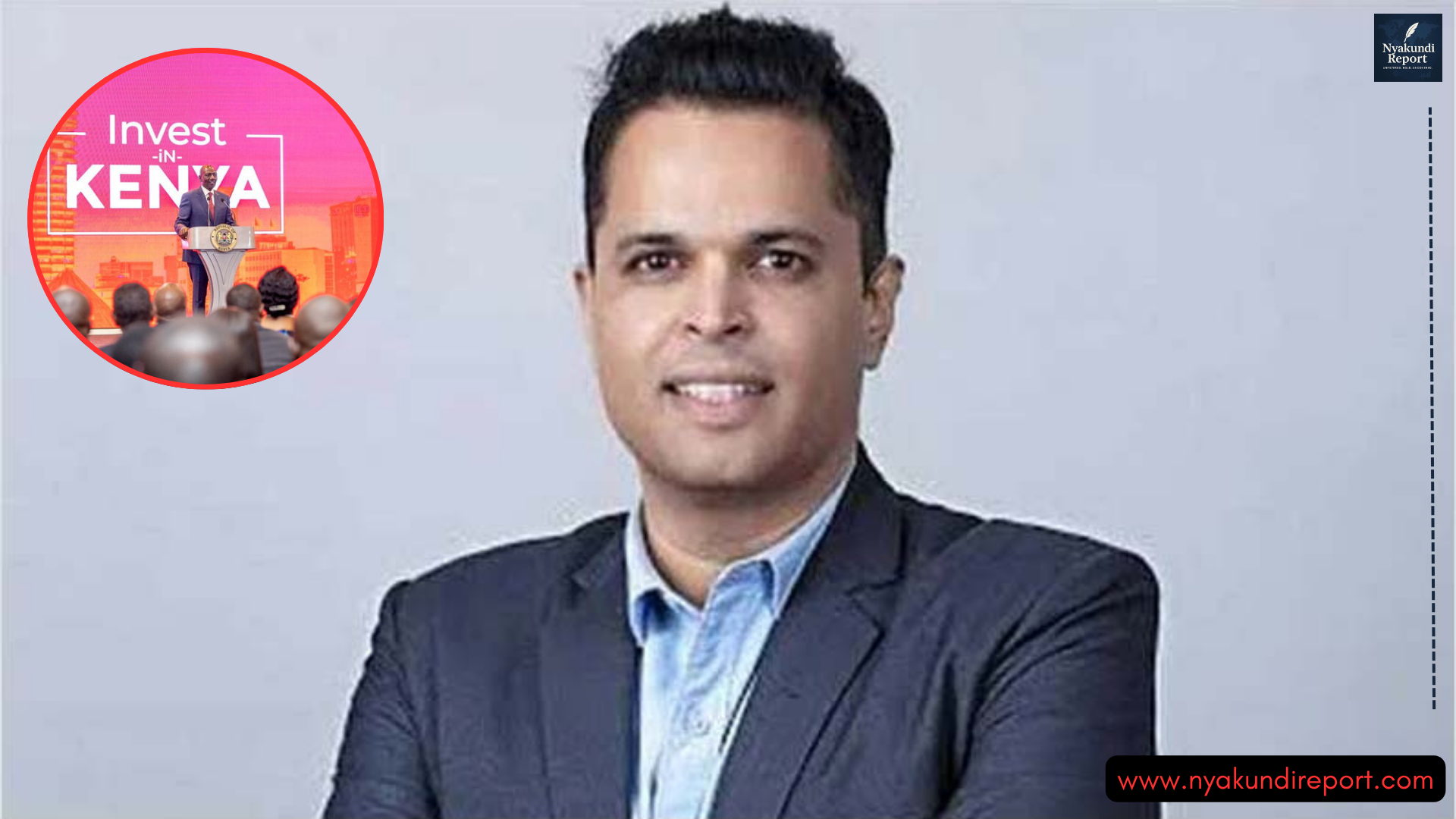
At the heart of the debate surrounding Nikhil Gandhi and Arise IIP is the Special Economic Zone model itself. SEZs are designed to attract foreign investment by offering generous tax breaks, reduced regulations, and infrastructure support.
Governments often justify these incentives by pointing to long-term benefits such as job creation, export growth, and industrial diversification. Gandhi has consistently defended this approach, arguing that value addition and economic transformation will outweigh initial revenue losses.
However, critics remain skeptical.
Economists warn that heavy tax exemptions can significantly reduce immediate government income, especially in countries already grappling with fiscal pressures. In Kenya, where public debt and budget constraints are ongoing concerns, the potential loss of tax revenue raises serious policy questions.
Experiences from other African countries add weight to these concerns. In parts of West Africa, similar projects have faced backlash over land acquisition disputes, environmental degradation, and limited integration with local economies. Communities have argued that promised benefits often fail to materialize at the scale initially projected.
These patterns have fueled fears that SEZs may function more as enclaves for foreign investors than as engines of inclusive national growth.
Debt Financing Structure Raises Risk Exposure
The financial structure of the proposed investment further complicates the picture. Arise IIP plans to fund the Ksh389 billion project largely through debt, including support from development finance institutions. In addition, the company intends to establish a Ksh104 billion facility to support manufacturers operating within the zones.
While this approach may accelerate project implementation, it also introduces significant financial risk. Large-scale debt financing can create pressure on returns, and if projected outcomes are not achieved, the burden may shift toward host governments or local stakeholders.
Such scenarios are not uncommon in major infrastructure projects, where initial projections often prove overly optimistic. Delays, cost overruns, and lower-than-expected investor uptake can quickly alter the financial viability of ambitious developments.
For Kenya, the stakes are particularly high given current economic conditions. Unemployment remains a major challenge, with youth disproportionately affected. While the promise of 500,000 jobs is appealing, experts caution that job creation figures in large investment announcements are frequently overstated.
A Defining Test For Kenya’s Investment Strategy
The proposed partnership between Kenya and Arise IIP represents more than a single investment deal. It reflects a broader strategy of using foreign-led industrialization to drive economic growth.
Nikhil Gandhi has positioned himself as a key figure in this vision, advocating for collaboration between governments, investors, and development institutions. His message aligns with the urgent need for job creation and industrial expansion across the continent.
However, the concerns surrounding his past, combined with ongoing criticism of the SEZ model, highlight the importance of rigorous oversight and transparent negotiation.
Kenya now faces a critical decision. It must balance the appeal of immediate investment with the responsibility to protect long-term national interests. This requires careful evaluation of financial structures, accountability mechanisms, and the actual distribution of benefits.