















The United States has sharply criticized the Cuban Medical Program, months after Kenya deepened its health cooperation with Havana. Washington now describes the program as exploitative and comparable to human trafficking.
The criticism comes at a sensitive time for Nairobi, which recently signed new health agreements with Cuba and faced legal hurdles over a separate U.S.-Kenya health framework. As geopolitical tensions rise, Kenya finds itself caught between global powers competing for influence in its healthcare system and its broader development agenda.
Why the Cuban Medical Program Is Under Fresh U.S. Scrutiny
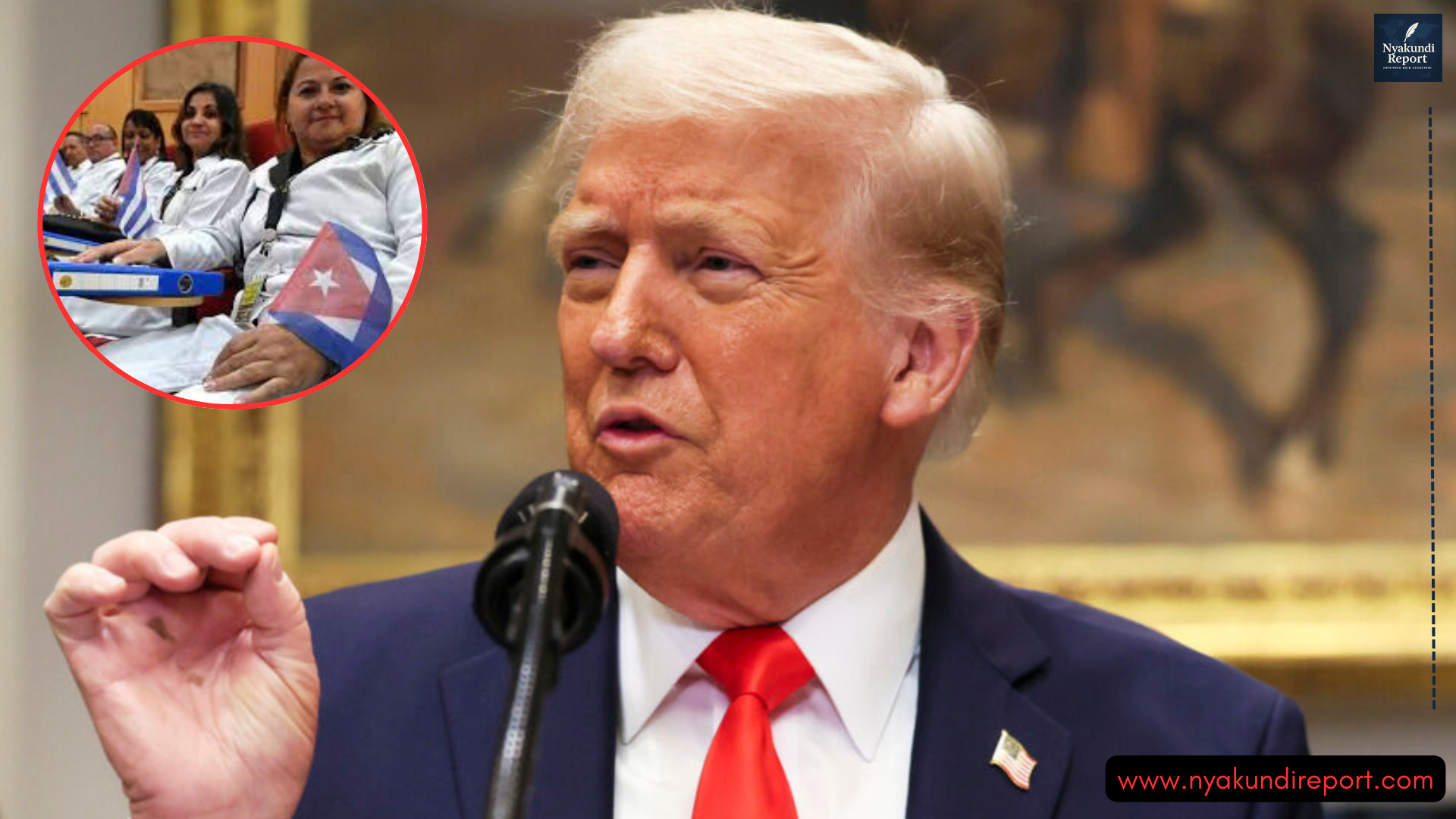
The renewed criticism of the Cuban Medical Program follows remarks by Marco Rubio, the U.S. Secretary of State, who publicly condemned Cuba’s overseas medical missions. Speaking on Wednesday, February 25, Rubio accused the Cuban government of exploiting its own medical professionals by withholding most of their earnings and restricting their freedom of movement.
Rubio argued that host governments pay large sums of money to the Cuban state, yet doctors allegedly receive only a fraction of that compensation. He claimed the arrangement resembles labour trafficking because the Cuban government controls doctors’ contracts, travel, and remuneration. According to him, governments that participate in the Cuban Medical Program effectively channel funds to the Cuban regime instead of directly benefiting the professionals on the ground.
He further stated that Cuban doctors often work under conditions that limit their personal freedom, suggesting that they cannot move freely or negotiate independent contracts. Rubio insisted that such terms undermine basic labour rights and international standards.
His remarks gained additional attention after reports that Cuban military forces allegedly fired on a U.S. boat off Cuba’s northern coast on the same day, killing four people and injuring six others. Although the maritime incident and the medical program are separate issues, the timing intensified political tensions and sharpened Washington’s rhetoric against Havana.
For Kenya, the criticism raises questions about the long-term implications of engaging in the Cuban Medical Program at a time when it also seeks closer ties with the United States.
Kenya’s Expanding Cooperation Under the Cuban Medical Program
Kenya formally strengthened its engagement with Cuba in June 2025 when the Ministry of Health signed a cooperation agreement aimed at boosting universal health coverage. Under the deal, Cuba would leverage its community-based primary healthcare model to support Kenya’s grassroots health system.
Health Cabinet Secretary Aden Duale championed deeper collaboration between the two countries. He pushed for expanded partnerships in digital health, telemedicine, technical exchanges, and biotechnology. The agreement also explored Cuban support in local vaccine production and pharmaceutical manufacturing, with both sides proposing a structured memorandum of understanding to guide service delivery and academic exchanges.
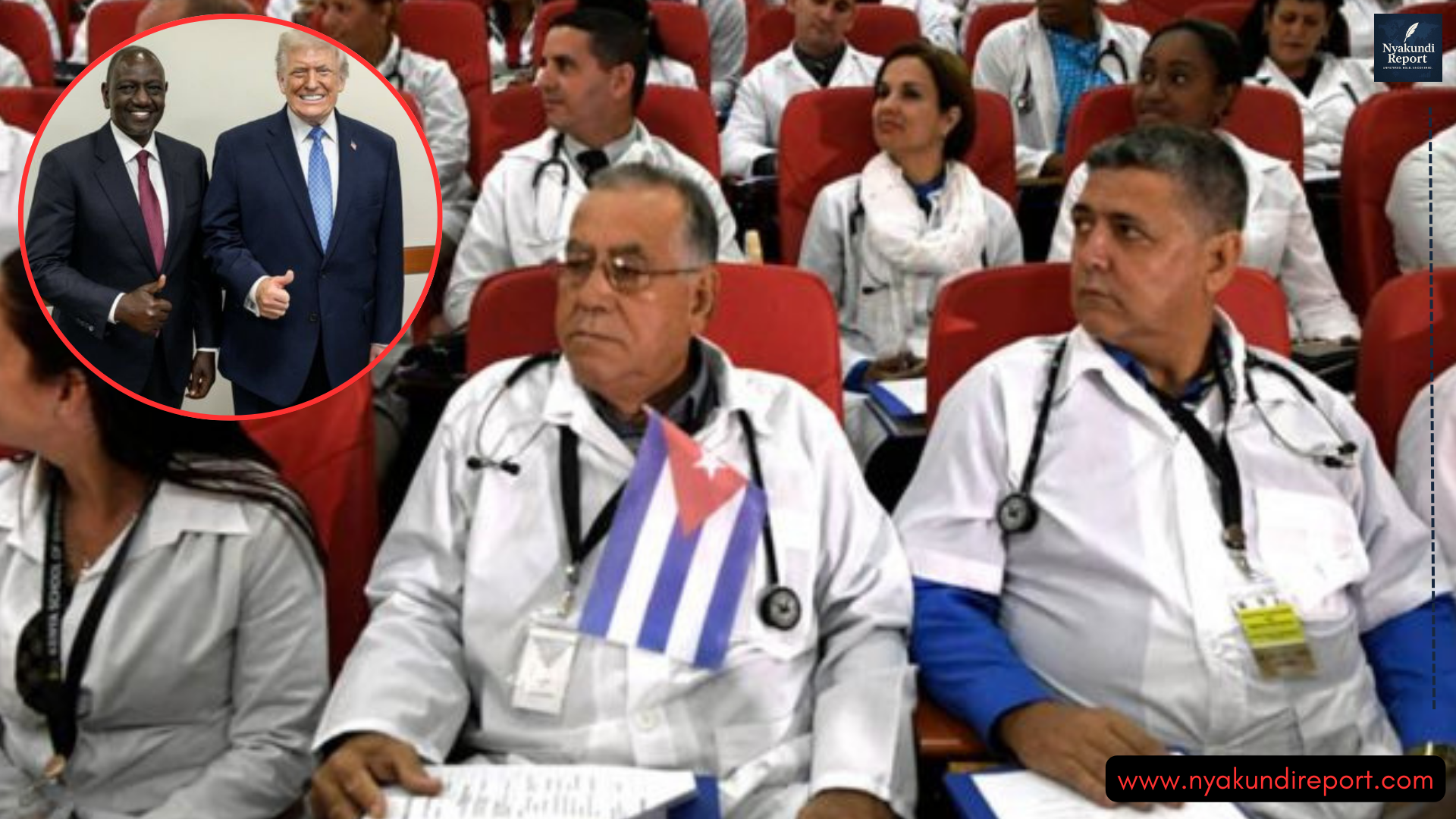
Cuba has supported Kenya’s health sector for years. The Cuban Medical Program deployed 84 Cuban doctors to Kenyan counties and trained 48 Kenyan doctors through joint programs. The cooperation aimed to fill specialist gaps, especially in underserved regions.
Supporters argue that Cuban doctors have strengthened county hospitals and improved access to specialized care. They point to Cuba’s strong record in primary healthcare and preventive medicine, which aligns with Kenya’s push for universal health coverage.
However, Washington’s intervention now casts a shadow over that partnership. The U.S. position suggests that any continued participation in the Cuban Medical Program could carry diplomatic consequences.
U.S. Health Deal Suspension Adds Political Complexity
The timing of the criticism becomes even more significant when viewed alongside Kenya’s suspended health cooperation framework with the United States.
U.S. courts recently halted a Ksh 200 billion health deal between Nairobi and Washington. The decision followed an earlier ruling by the High Court in Kenya, where Justice Bahati Mwamuye issued conservatory orders blocking the agreement’s implementation.
Justice Mwamuye suspended the framework over concerns tied to the transfer of health and personal data. The ruling restrained the Kenyan government and its agents from implementing the agreement until the legal issues are resolved.
The suspended U.S.-Kenya deal aimed to digitize healthcare infrastructure, strengthen emergency preparedness, and improve supply chain systems. It also promised to enhance workforce development across the sector. Many observers viewed it as a major step toward modernizing Kenya’s health system.
Now, with Washington criticizing the Cuban Medical Program and its own health deal under suspension, Kenya faces a delicate balancing act. Policymakers must weigh the benefits of Cuban expertise in community healthcare against the geopolitical and diplomatic risks highlighted by the United States.
At the heart of the dispute lies a broader question about sovereignty and strategy. Kenya seeks to expand healthcare access, modernize infrastructure, and boost local pharmaceutical production. It also wants to maintain strong relations with global partners.
The U.S. frames its criticism of the Cuban Medical Program as a human rights issue tied to labour exploitation. Cuba and its supporters portray the missions as solidarity-based medical cooperation that benefits developing nations.