




























The controversy over Grabbed State House Land has triggered fresh alarm within the highest levels of government. Officials now warn that encroachment on parcels surrounding presidential residences has created real security vulnerabilities.
Lawmakers have demanded answers. Security planners have flagged the proximity of private developments as a growing threat. The State House has admitted that some land adjacent to key facilities has been irregularly acquired.
The government now faces mounting pressure to reclaim control, tighten perimeters, and restore the integrity of sites that symbolize national authority. Senior officials from State House Kenya appeared before the Departmental Committee on Administration and Internal Security and confirmed that the issue is neither isolated nor minor.
They told MPs that parcels neighbouring State Houses and State Lodges across the country have been grabbed or unlawfully occupied, complicating established security frameworks.
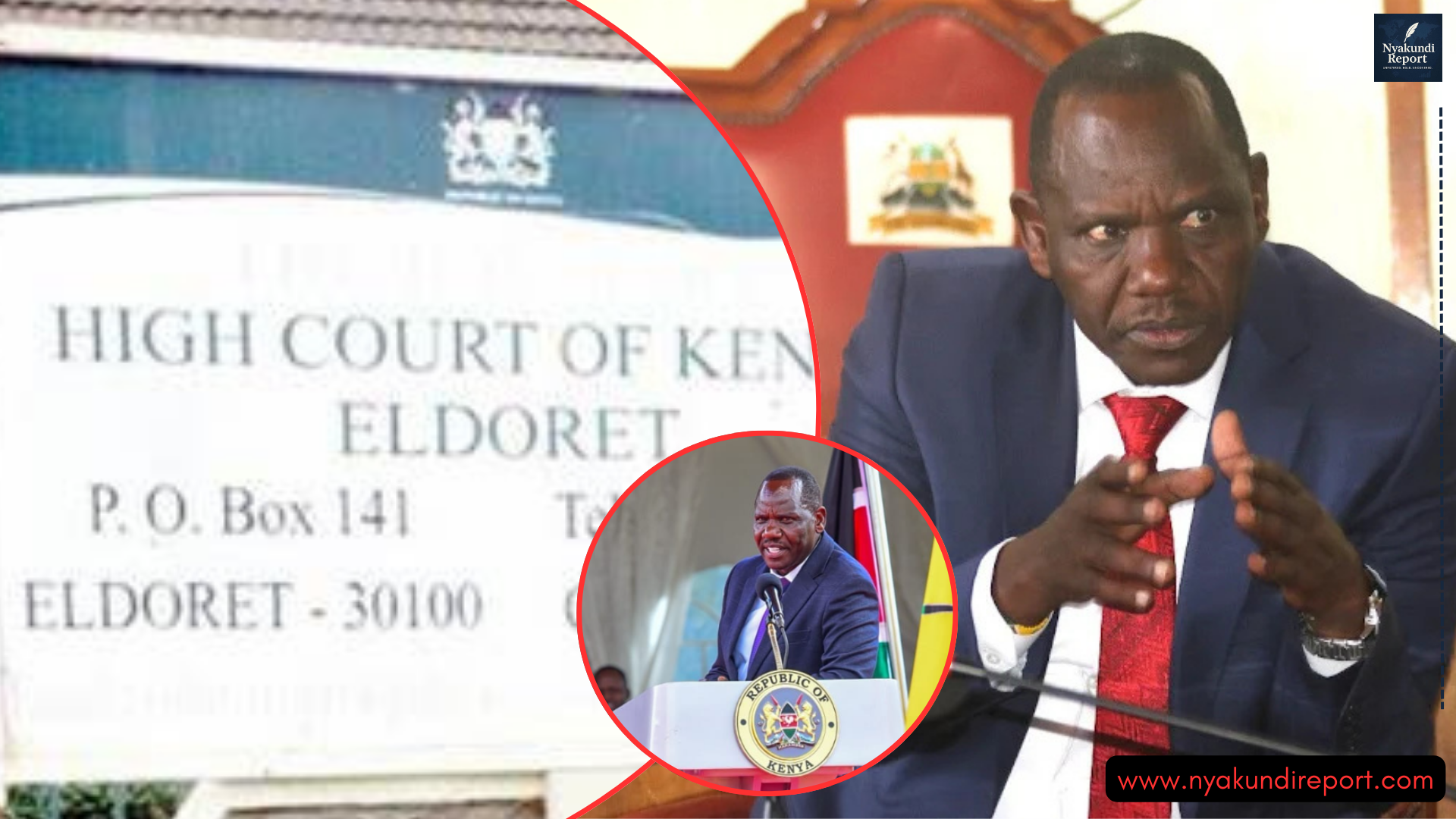
State House Comptroller Katoo Ole Metito acknowledged the gravity of the situation. He stated that while some adjacent parcels remain privately owned within legal boundaries, others were irregularly acquired and now sit dangerously close to sensitive installations. He confirmed that his office has documented the encroachments and initiated steps to address them.
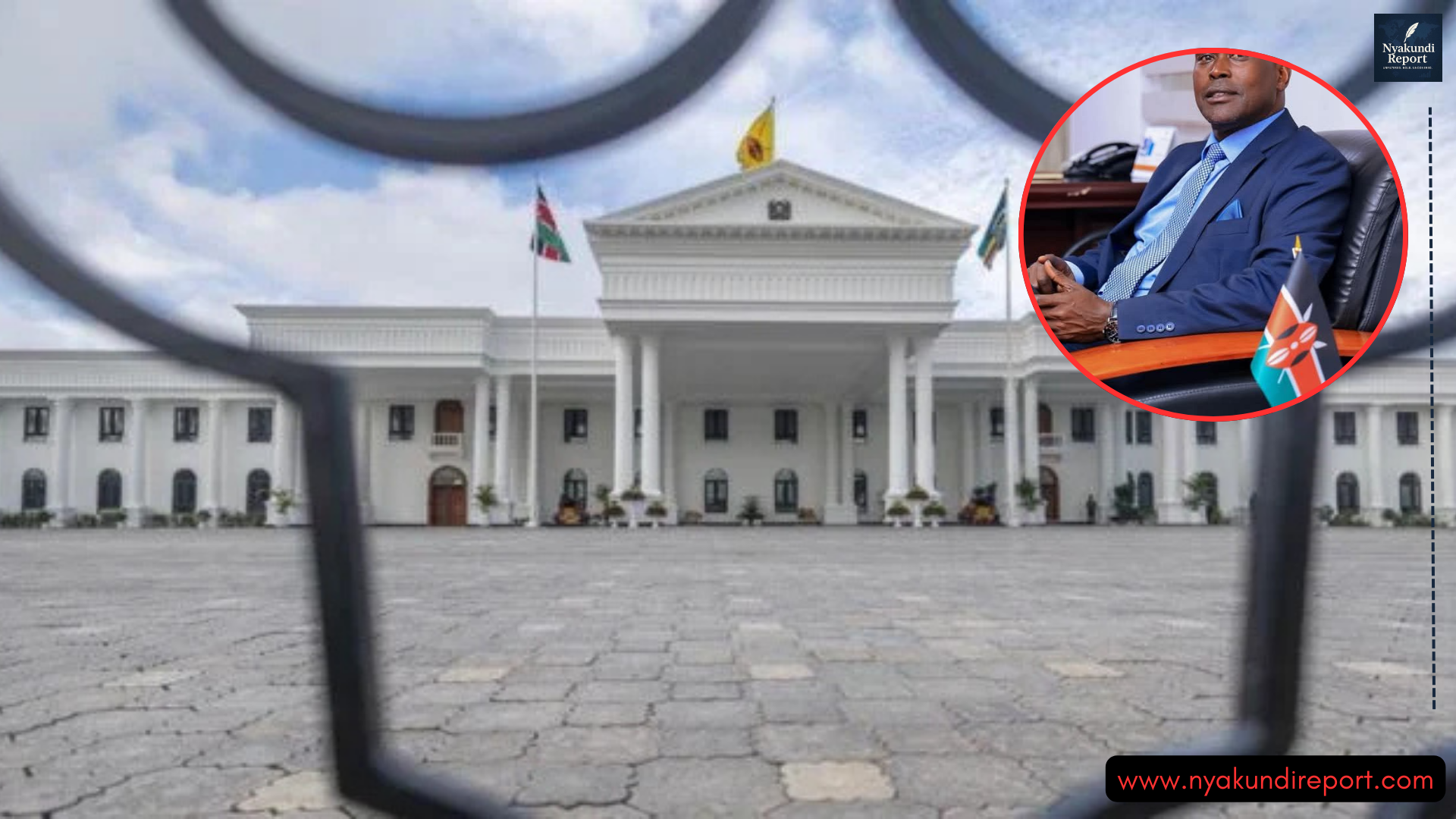
How Grabbed State House Land Is Exposing Presidential Residences to Risk
Security around presidential residences depends on controlled buffer zones. These perimeters allow law enforcement to monitor movement, restrict access, and neutralize potential threats before they escalate. When private developments rise within close range, those safeguards weaken.
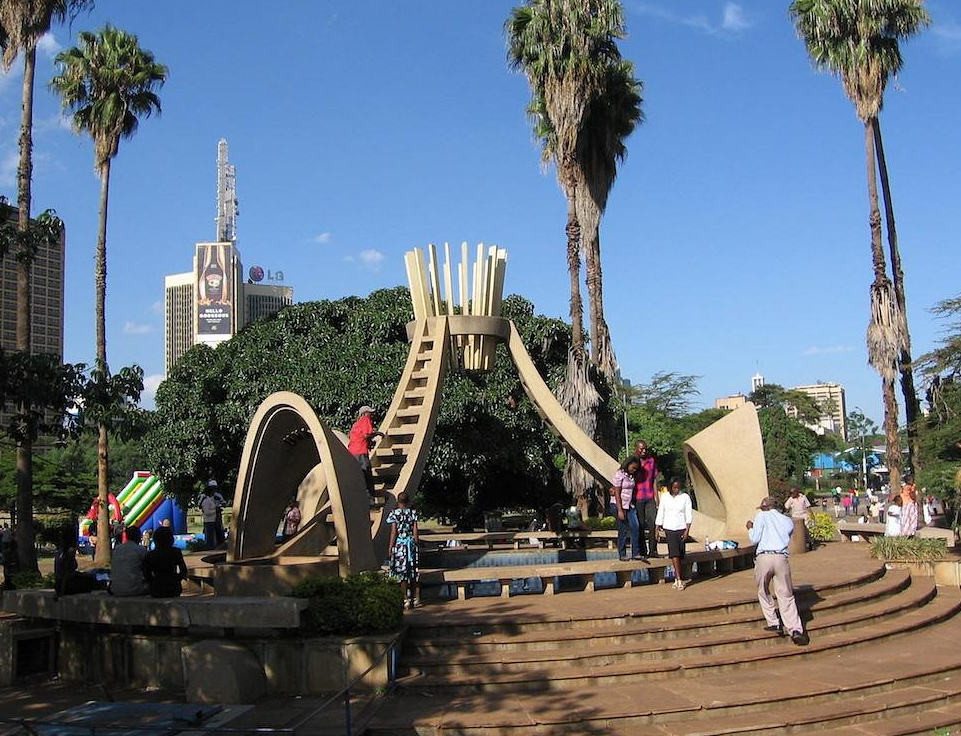
Metito told lawmakers that the proximity of private structures undermines established security arrangements. Buildings overlooking State House compounds create surveillance blind spots. Unregulated access roads complicate patrol routes. Encroached parcels limit the ability to enforce exclusion zones that security agencies rely on to protect the Head of State and visiting dignitaries.
The issue stretches beyond State House Nairobi. Officials indicated that State Lodges and presidential residences in several regions face similar pressure from surrounding developments. Some parcels changed hands under unclear circumstances. Others were irregularly subdivided. In each case, the encroachment narrowed the operational space security agencies require.
MPs pressed Metito to provide timelines and concrete actions. They questioned why recovery efforts have moved slowly despite the sensitivity of the installations. Lawmakers warned that prolonged delays could entrench illegal occupation and increase exposure to threats.
Metito responded that the government has begun legal and administrative processes to reclaim grabbed land. He stated that authorities will secure affected perimeters and restore full control once ownership disputes conclude. However, he did not provide exact dates for completion, leaving legislators dissatisfied.
The debate also exposed deeper concerns about infrastructure decay within some state houses and lodges. Inspection visits conducted last year revealed structural deterioration and outdated facilities. Lawmakers argued that physical decline, combined with encroachment, compounds the overall risk profile of these strategic assets.
Metito confirmed that renovation works have commenced at selected sites. He stated that the government has prioritized upgrades to improve structural integrity, security systems, and operational readiness. Additional refurbishments are planned in phases.
Lawmakers Demand Faster Action on Grabbed State House Land
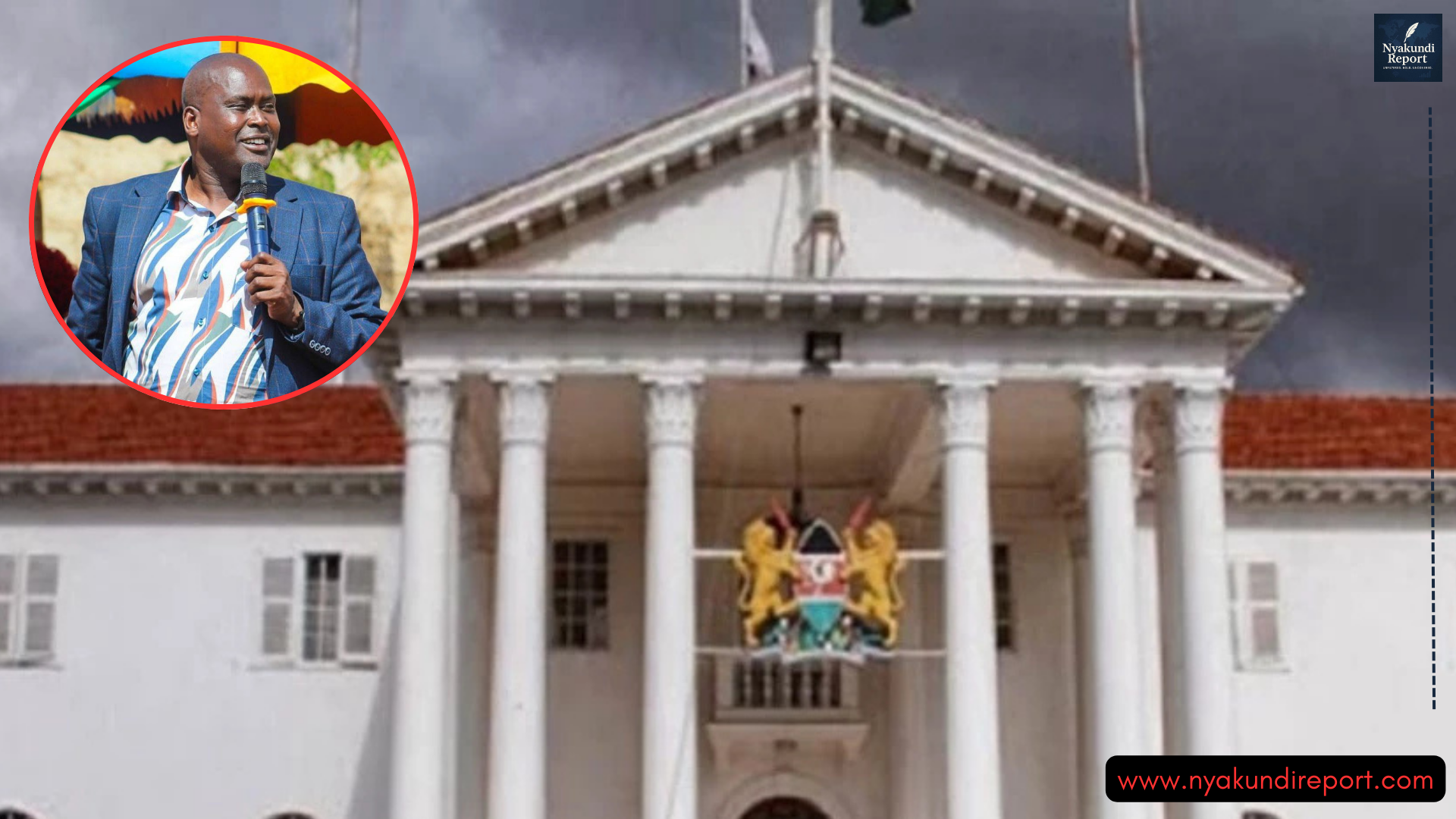
Members of the Administration and Internal Security Committee signalled impatience. They insisted that reclaiming grabbed state house land must rank as a national security priority rather than a routine land dispute. Several MPs emphasized that presidential residences represent sovereign authority and must remain insulated from speculative development.
The lawmakers also sought clarity on coordination between the Comptroller’s office, the Ministry of Lands, and security agencies. They argued that fragmented oversight may have allowed irregular allocations to proceed unchecked. Without tighter institutional controls, they warned, similar encroachments could recur.
Officials acknowledged that past land management systems contained weaknesses. They pledged stronger inter-agency collaboration to prevent further irregular acquisition near critical government installations.
Expansion Plans and Security Reforms Underway
During the same parliamentary session, Interior Principal Secretary Raymond Omollo briefed lawmakers on broader administrative and security reforms. He confirmed that the government has operationalized 1,276 administrative units at a cost of Ksh257 million to enhance service delivery and state presence.
Omollo explained that modernization efforts have largely focused on the National Police Service, with reforms aimed at improving response capacity and operational efficiency. He added that the government plans to extend similar reforms to the Kenya Coast Guard Service, strengthening maritime surveillance and enforcement.
Separately, Metito disclosed plans to establish a new State House facility in the northern region. He argued that expanding presidential presence would enhance accessibility and reinforce state authority in historically marginalized areas. However, analysts note that expansion will require strict land safeguards from the outset to avoid replicating current challenges.
The unfolding controversy over grabbed state house land underscores a broader tension between rapid urban development and national security imperatives. Private construction continues to expand in major towns and emerging regional hubs. Without disciplined land governance, sensitive government installations risk being boxed in by commercial and residential projects.