

























Human rights organizations have raised serious concerns about what they describe as a coordinated recruitment network that is quietly funneling young Kenyan men into Russia’s war effort in Ukraine.
Activists allege that recruiters disguise military-linked deployment as legitimate employment and education opportunities, relying on trusted religious connections and female intermediaries to gain the confidence of both recruits and their families.
The emerging pattern has triggered alarm among civil society groups and placed pressure on Kenyan authorities to investigate the scale and structure of the alleged operation.
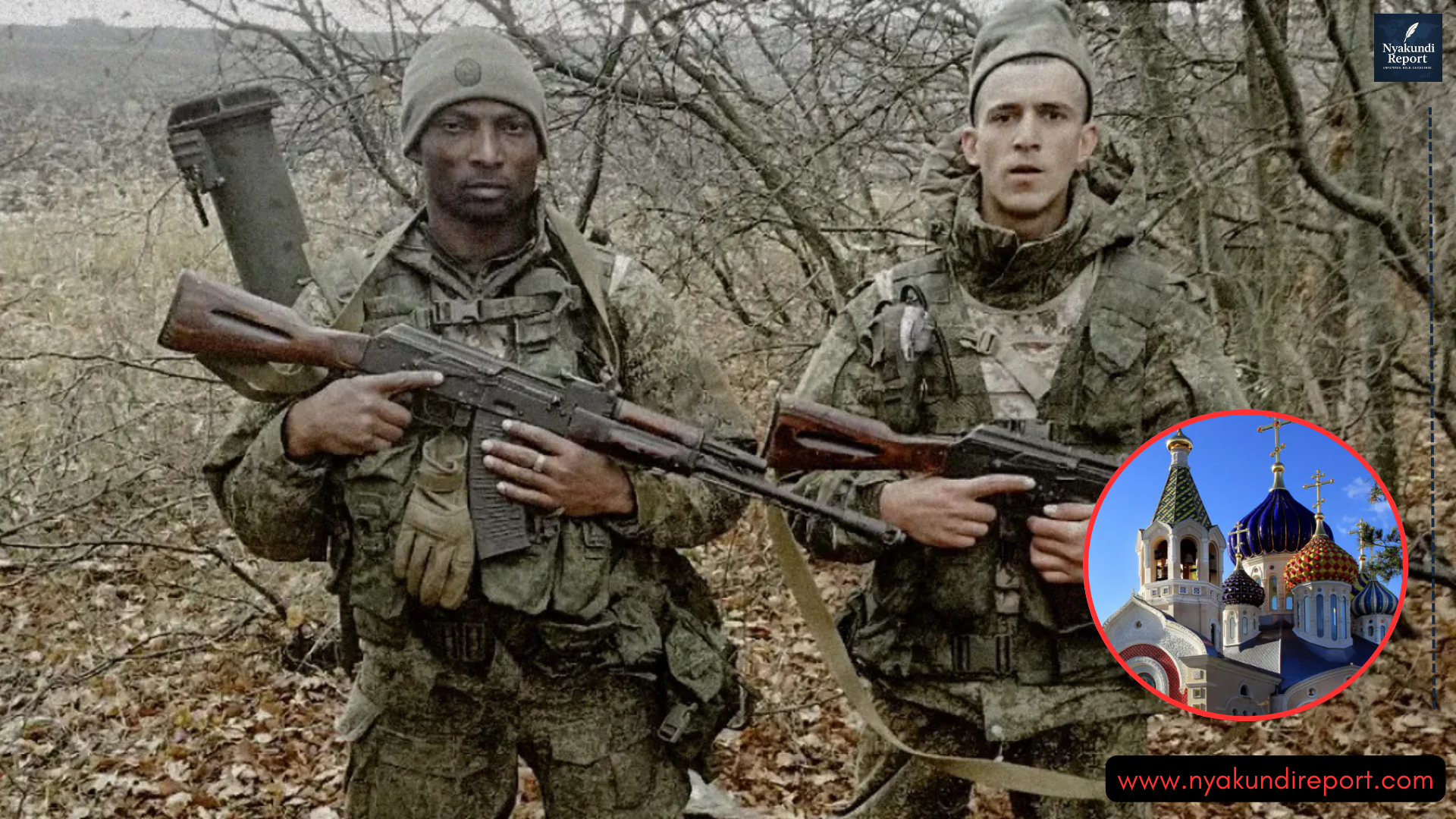
The Expanding Pipeline Moving Kenyans to the Russia War
Investigators from civil society organizations argue that the recruitment system operates through informal but highly strategic channels, targeting unemployed and underemployed youth who are actively seeking opportunities abroad. According to activists, individuals connected to circles associated with the Russian Orthodox Church have promoted study programs, factory jobs, and security-related roles in Russia, without initially disclosing any links to military service.
The recruitment pitch reportedly focuses on economic mobility and stability rather than armed conflict. Recruiters allegedly promise monthly salaries ranging between Ksh350,000 and Ksh400,000, figures that significantly exceed average earnings for many young professionals and informal sector workers in Kenya. For families struggling with rising living costs and limited employment prospects, such offers can appear transformative and legitimate.
Fredrick Odhiambo Ojiro, head of rapid response at Vocal Africa, told RNS and Bloomberg that recruiters deliberately avoid mentioning combat or deployment in the early stages of engagement. He claims that the strategy relies on gradual persuasion, with emphasis placed on documentation assistance, visa processing, and assurances of structured employment contracts.
Odhiambo estimates that more than 500 Kenyans may have travelled to Russia under such arrangements over the past two years. He further states that at least 200 families have contacted Vocal Africa seeking assistance, information, or intervention after losing communication with relatives who travelled abroad under these promises.
Confiscated Documents and Financial Control Trap Kenyans to Russia War Recruits
Several accounts collected by activists suggest that some recruits arrive in Russia on temporary tourist visas, expecting to transition into civilian employment. However, some individuals reportedly claim that their travel documents were confiscated upon arrival and that they were subsequently redirected toward assignments linked to Russia’s military operations in Ukraine.
In addition to allegations of document seizure, Odhiambo claims that certain recruits were instructed to open bank accounts using details provided by commanding officers or supervisors. According to these claims, salaries were deposited into those accounts, yet the recruits themselves could not access the funds, effectively placing them in a position of financial dependency and limited mobility.
While the exact number of Kenyans involved remains unverified, the consistency of testimonies has intensified scrutiny around the broader Kenyans to Russia War narrative and the mechanisms that may be facilitating such movement.
The Strategic Use of Women to Build Credibility
A particularly controversial element of the alleged recruitment model involves the use of women as intermediaries. Odhiambo asserts that recruiters intentionally deploy women to approach potential recruits and their families because communities often perceive women as more trustworthy and less confrontational.
According to activists, these women attend social gatherings, maintain regular communication with families, and provide reassurance about safety, accommodation, and employment conditions abroad. Their involvement reportedly reduces suspicion and lowers emotional barriers, especially among parents who might otherwise question overseas job offers connected to unfamiliar networks.
By embedding recruitment conversations within everyday social and religious interactions, the alleged network leverages existing community trust structures rather than relying on overtly commercial or militarized messaging. This approach, critics argue, transforms social familiarity into a powerful recruitment asset and complicates efforts to identify and disrupt the pipeline.
Church Connections and Denials
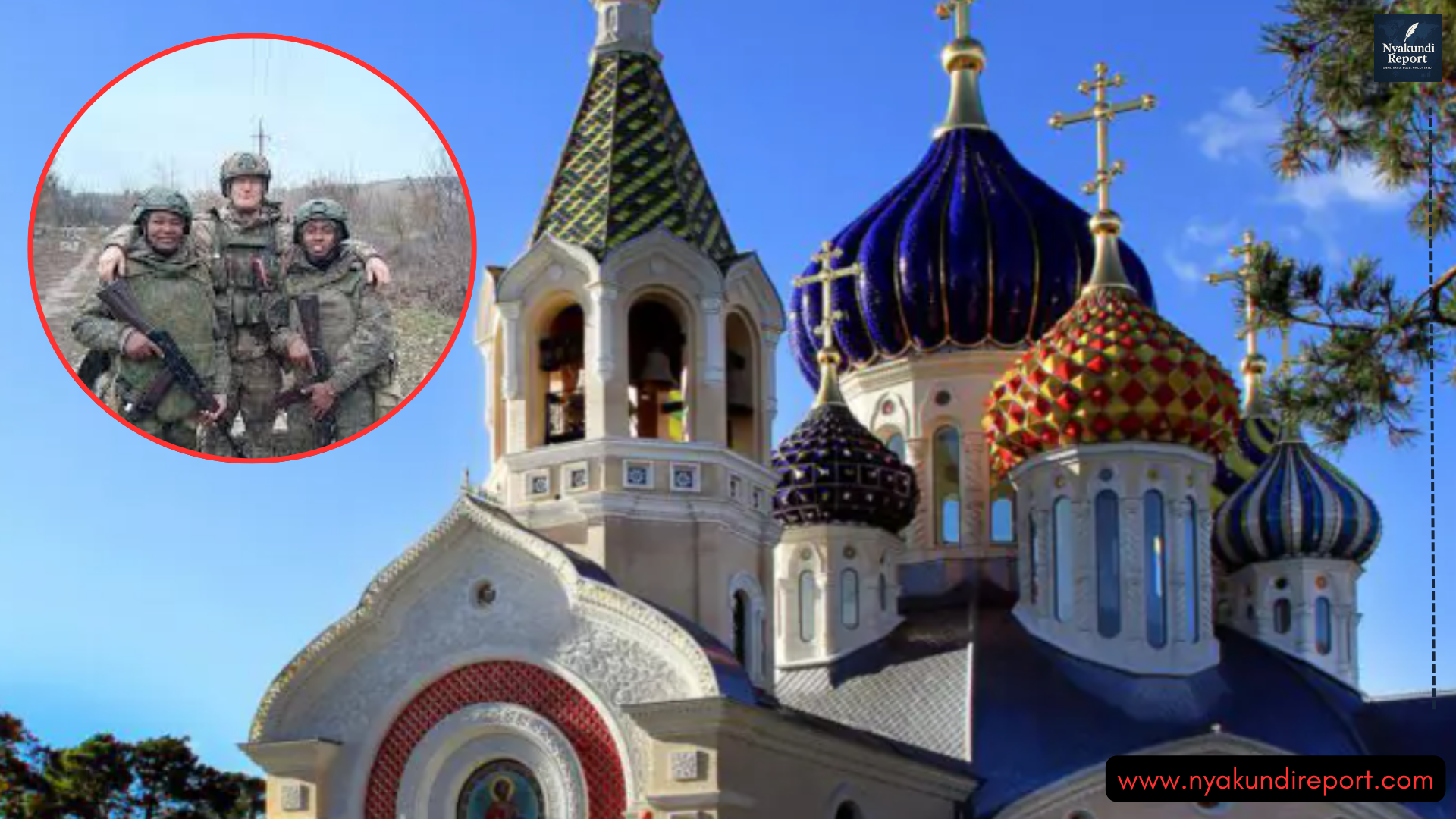
Human rights advocates also highlight the role of religious credibility in strengthening the recruitment narrative. Activists allege that certain recruiters operate within networks loosely associated with the Russian Orthodox Church, presenting travel opportunities as theological study placements or church-supported employment exchanges.
A Nairobi-based Russian Orthodox priest, who declined to be named, firmly denied any involvement in military recruitment. He stated that the church facilitates theological education and cultural exchange programs only, and that none of the students officially processed through church channels have joined the military.
Despite these denials, activists maintain that informal actors may exploit religious affiliation to legitimize their activities. In Kenya, where religious institutions command significant public trust, association with a recognized church can significantly reduce scrutiny. Families may interpret church-linked travel as safe and morally grounded, which, according to critics, makes the alleged recruitment strategy particularly effective.
The blending of faith-based credibility with economic incentives has therefore become a central concern in discussions surrounding the scandal, as it blurs the line between legitimate overseas opportunities and potential military deployment.
Government Response and Diplomatic Engagement
The Kenyan government has acknowledged concerns regarding citizens reportedly involved in foreign conflicts and has pledged to address irregular recruitment practices. Authorities have previously committed to cracking down on rogue agencies and strengthening oversight of overseas employment processes.
Foreign Affairs Cabinet Secretary Musalia Mudavadi recently announced that he will travel to Russia to seek clarification on the involvement of Kenyan nationals in the conflict. His planned visit signals formal diplomatic engagement on an issue that now carries both humanitarian and geopolitical implications.
Civil society organizations, however, argue that domestic safeguards require urgent reinforcement. They have called for stricter monitoring of recruitment agencies, improved verification of overseas job offers, and direct support mechanisms for affected families.
The controversy surrounding illegal recruitment ultimately reflects broader economic vulnerabilities within Kenya. High youth unemployment, limited formal job creation, and rising living costs create fertile ground for overseas recruitment promises that appear credible and financially attractive.
If the allegations prove accurate, the network does not rely solely on coercion but on aspiration, trust, and economic desperation. That combination, activists warn, makes the issue more complex than a conventional trafficking case and demands coordinated legal, diplomatic, and community-level intervention.