
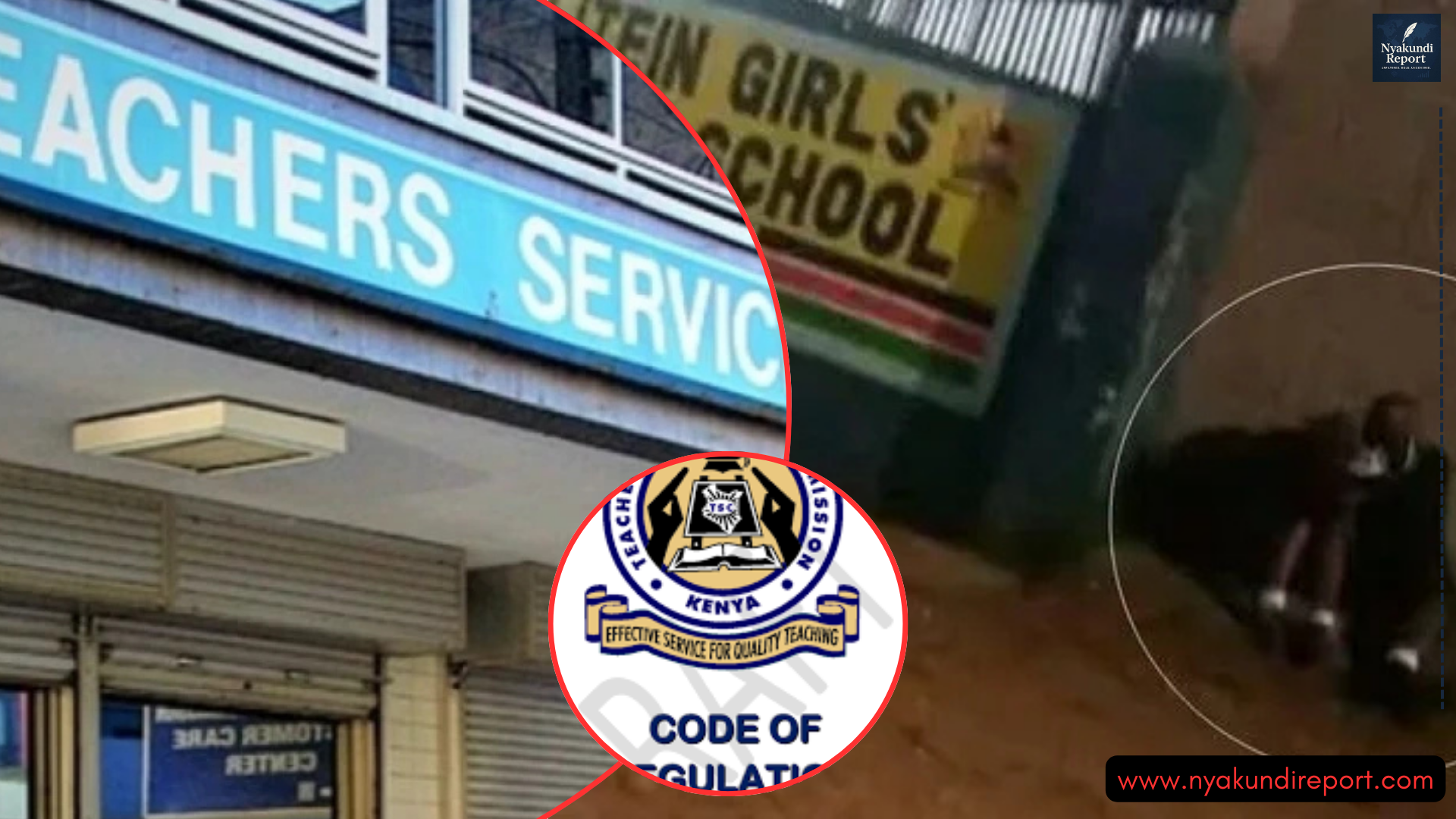


































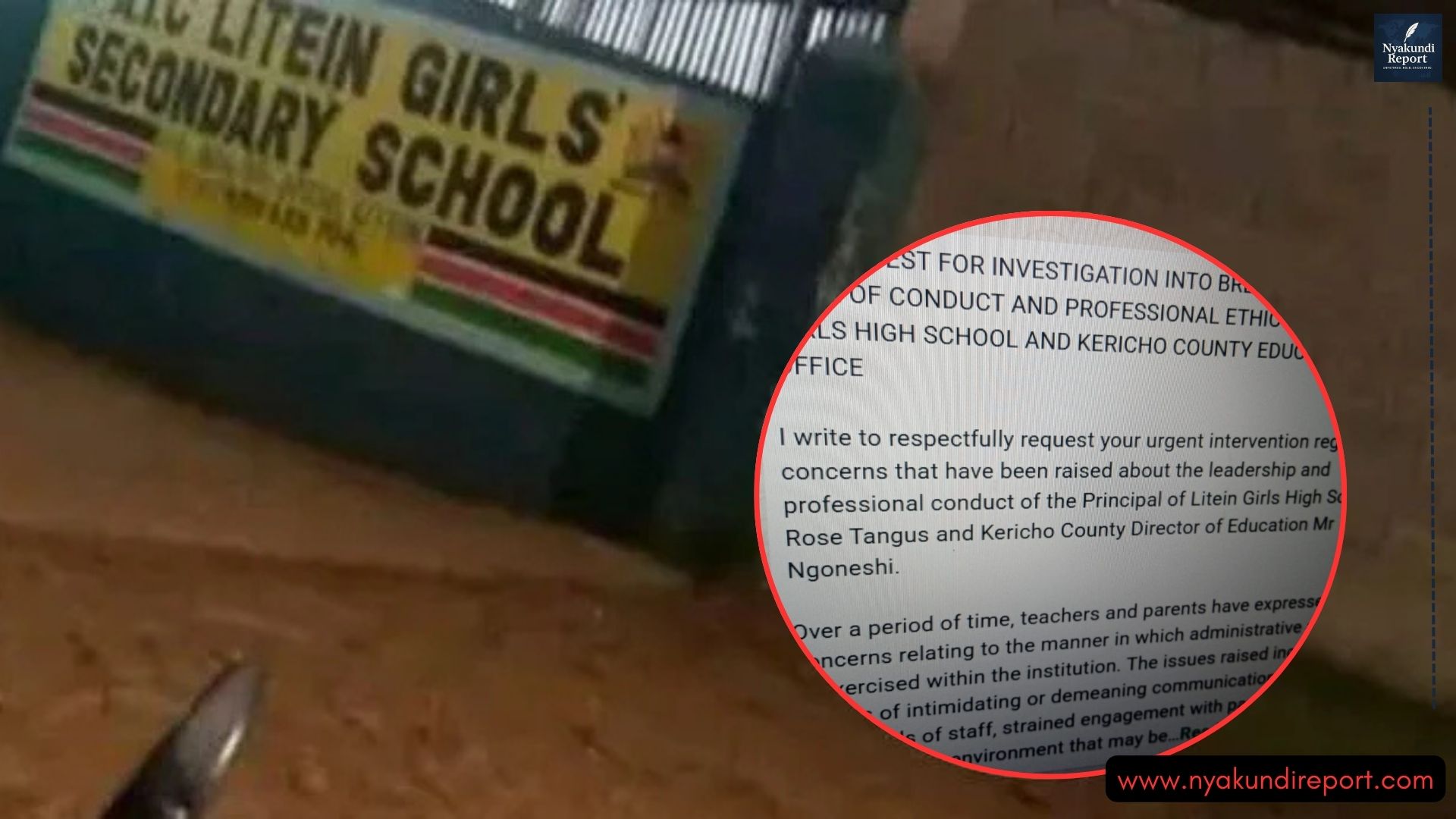
A formal complaint filed by a concerned member of the public has triggered serious questions over an alleged breach of the TSC code of conduct at Litein Girls and within the Kericho County Education Office. The petition calls for urgent intervention by relevant authorities to examine the professional conduct and administrative leadership at Litein Girls High School.
It specifically names Principal Rose Tangus and Kericho County Director of Education Mr. Ngoneshi and urges regulators to determine whether their actions comply with established professional and ethical standards.
The complaint, submitted in writing to oversight bodies, seeks an independent and confidential investigation into alleged violations of the Teachers Service Commission Code of Regulations for Teachers and the Code of Conduct and Ethics.
The petitioner maintains that the matter affects not only institutional governance but also the welfare of teachers and students and therefore requires immediate and impartial review.
Breach of TSC CODE of Conduct At Litein Girls Raises Leadership and Governance Concerns
The petition outlines what it describes as a sustained pattern of troubling administrative conduct at Litein Girls High School. According to the complainant, teachers and parents have repeatedly expressed concern about how authority is exercised within the institution. They allege that the leadership style adopted by the principal has created tension within the school environment and strained relationships with key stakeholders.
The concerns include reports of intimidating or demeaning communication directed at staff members, public reprimands that allegedly undermine professional dignity, and engagement with parents that some stakeholders describe as confrontational. The petitioner argues that such actions, if verified, may negatively affect staff morale and institutional harmony, thereby compromising the academic atmosphere necessary for effective learning.
The complaint anchors its concerns in specific provisions of the TSC regulatory framework. Regulations 16 and 17 of the Code of Regulations for Teachers require educators and administrators to uphold integrity, professionalism, and respect while discharging their duties. Regulation 146 addresses professional misconduct and outlines sanctions for conduct that undermines the dignity and standing of the teaching profession.
In addition, the TSC Code of Conduct and Ethics obligates teachers and school leaders to treat colleagues, learners, parents, and stakeholders with dignity and fairness. It prohibits abuse of office or authority and requires leaders to promote safe, non-hostile working and learning environments. The petitioner contends that the alleged actions at Litein Girls may fall short of these standards and therefore merit independent scrutiny.
The complaint emphasizes that school leadership plays a central role in shaping institutional culture. When authority is exercised without due regard for professionalism and respect, the impact extends beyond staff relations and may influence student welfare and overall school performance. For this reason, the petitioner insists that any indication of a breach must undergo impartial examination.
Calls for Confidential Inquiry and Protection of Whistleblowers
One of the key elements of the petition is the request for a confidential inquiry that allows teachers and parents to present documented statements without fear of retaliation. The complainant notes that some stakeholders may hesitate to come forward openly due to concerns about victimization. To address this, the petition urges authorities to establish protected reporting channels that safeguard individuals who provide evidence.
The petitioner stresses that the request does not seek to prejudge any individual or institution. Instead, it aims to ensure due process and restore confidence where necessary. An independent review, the complaint argues, would either confirm the integrity of the school’s leadership or identify areas where corrective measures must be implemented.
Beyond investigating individual conduct, the petitioner calls on oversight bodies to issue clear guidance reinforcing compliance with TSC and Ministry leadership standards. Such guidance, they argue, would help prevent future disputes and strengthen governance structures within the institution.
Student Expulsion Controversy Intensifies Scrutiny
The petition further raises concerns about the handling of disciplinary action involving four students. According to the complaint, the students were sent home in October of the previous year without receiving official suspension letters. The absence of formal documentation at the time allegedly contravened established disciplinary procedures that require written communication and proper record keeping.
Several months later, in February 2026, the same students reportedly received expulsion letters. The expulsion was allegedly sanctioned by the Kericho County Director of Education. The complainant questions the procedural integrity of this sequence of events, arguing that the delay between removal and formal expulsion raises concerns about fairness and due process.
Education regulations require schools to follow structured disciplinary frameworks designed to protect both learners and institutions. These frameworks typically include written notification, documented hearings, and opportunities for appeal where applicable. The petitioner contends that bypassing or delaying these steps undermines procedural justice and may cause lasting harm to affected students.
Archaic Process of Student Expulsion
The complaint characterizes the expulsion process as potentially detrimental to the students’ academic futures and calls for a review of the circumstances under which the decision was made. It asserts that disciplinary authority must operate within clear legal and ethical boundaries to maintain public trust.
In addition to addressing the Teachers Service Commission, the petitioner urges the Ministry of Education and the school’s sponsor, the Africa Inland Church, to intervene if investigations confirm violations. The complaint frames this request as a measure to safeguard institutional credibility and uphold governance standards within public education.
The petitioner concludes by reiterating that the request for investigation is made in good faith and in the interest of protecting staff welfare, student wellbeing, and institutional integrity. They argue that decisive and transparent action will either restore confidence in the leadership or ensure accountability where required.