





















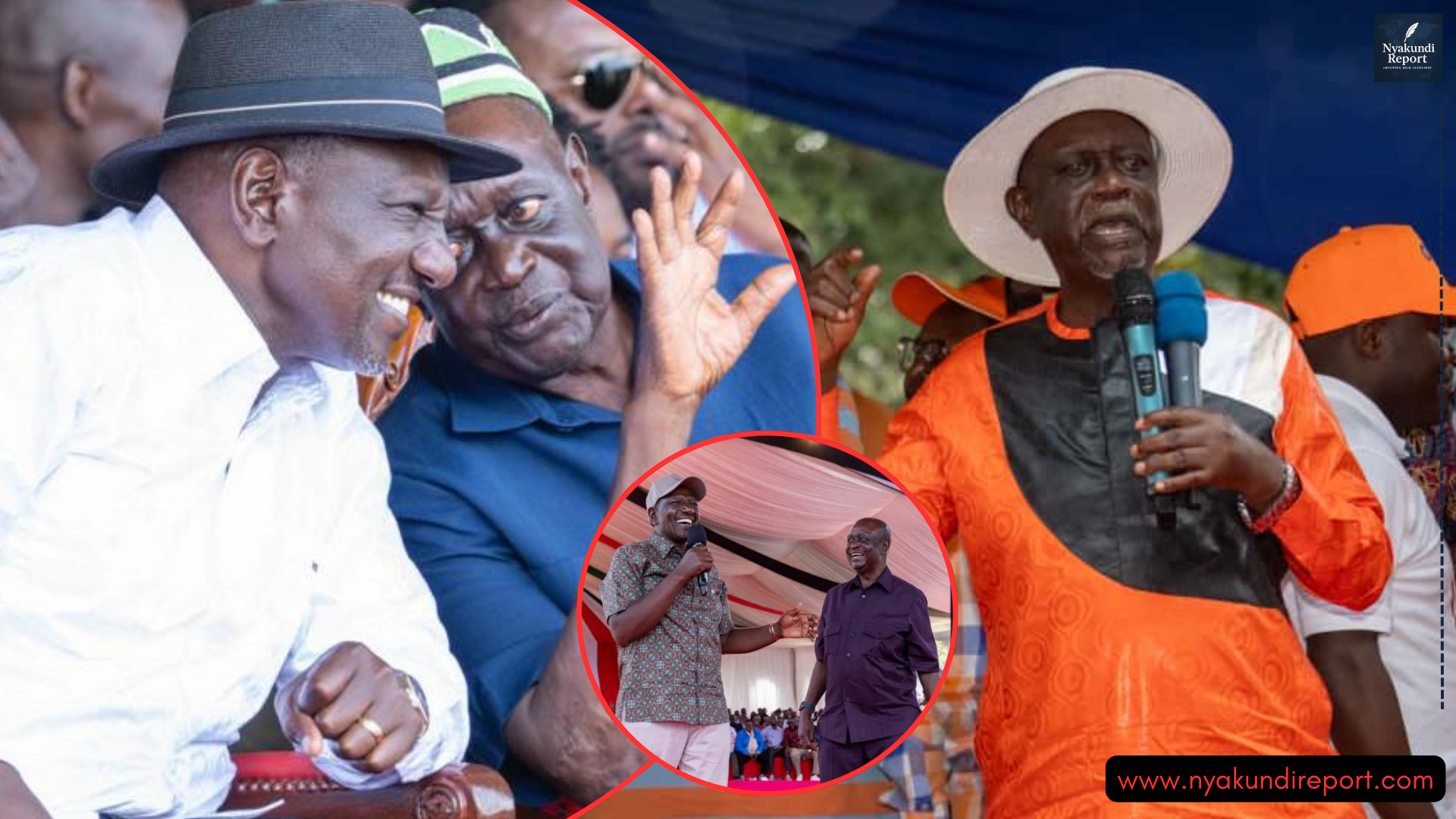









Nakuru West MP Samuel Arama has accused the government of turning teacher employment into a political tool. He says Teachers Service Commission (TSC) appointment letters, meant as administrative documents, are being handed out as rewards to politicians loyal to the State House.
Arama claims this practice excludes MPs and communities not aligned with the government, undermining fairness and transparency. He warns that voters will remember this manipulation in the 2027 elections.
The MP’s revelation raises serious questions about the TSC’s independence and the politicization of teacher recruitment.
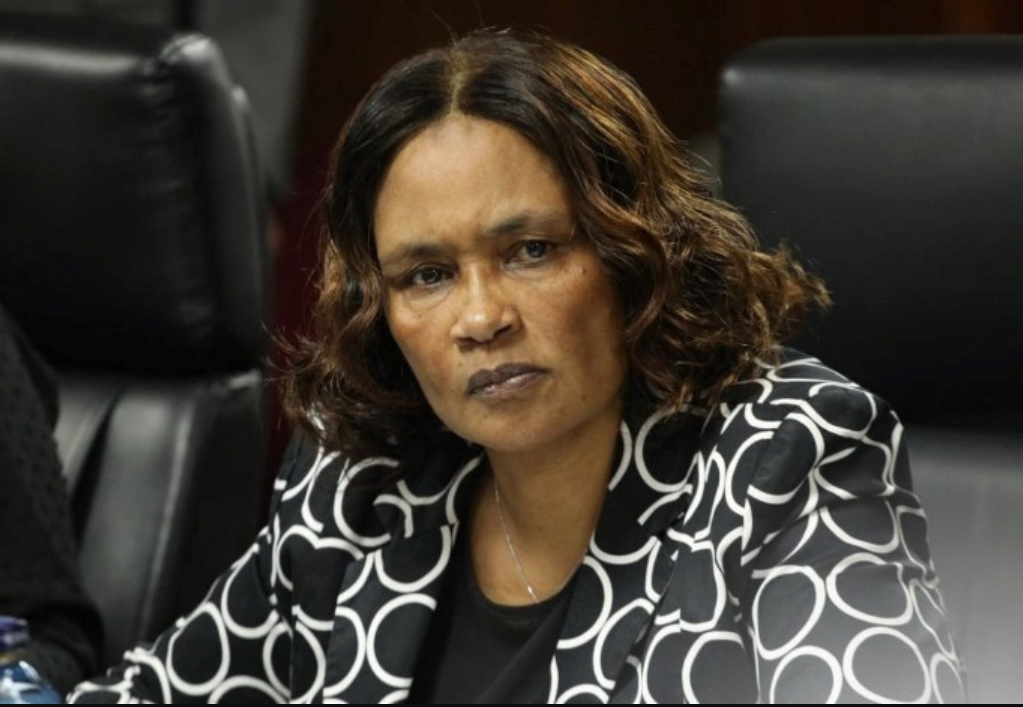
Politicians Control TSC Appointment Letters
Arama insists that TSC appointment letters are being issued outside the Commission’s legal mandate. He says politicians at State House are deciding which MPs and communities get the letters, leaving others out.
“When they want to issue those letters, they leave me out, saying I don’t support them,” Arama said. “I have been supporting the government, so I wonder what kind of support they want.”
He condemned MPs who monopolise teacher appointments. “You find some MPs have 10 to 15 letters and are claiming the government is theirs. Why should State House give some members from one community admission letters while leaving out the rest?”
According to Arama, this system creates inequality in teacher recruitment, leaving loyal MPs’ areas flooded with letters while other regions are neglected.
Recruitment Irregularities Exposed
This is not the first time the TSC’s independence has been questioned. In 2023/2024, a recruitment drive for 6,000 teachers was reportedly compromised. Positions were allegedly handed to MPs for distribution, bypassing public advertisement and competitive hiring.
In Bomet, Kericho, and Kisii, a cartel involving politicians’ aides and a TSC sub-county director sold forged appointment letters for Ksh400,000 each. A personal assistant to a Marakwet West MP reportedly fled with Ksh6 million.
Former Education Cabinet Secretary Ezekiel Machogu also faced criticism for distributing appointment letters at public rallies and political forums, a move many said undermined the TSC’s autonomy.
Interference Reaches Promotions
Political meddling has gone beyond recruitment to promotions. MPs rejected a list of 25,252 promoted teachers as “scandalous” and demanded audits of TSC criteria. Local TSC officers reportedly faced threats of transfers to high-risk areas if they failed to hire teachers favored by politicians.
Under Article 237 of the Constitution, the TSC is empowered to recruit, employ, assign, promote, transfer, and discipline registered teachers. Arama’s accusations suggest these powers are being undermined for political gain.
Election Warning
Arama warned that voters would respond to these manipulations in the next elections. “When the 2027 elections come, we will also elect our own governments so that we can also get the letters,” he said, signaling growing frustration among MPs excluded from the State House-controlled system.
The MP’s claims highlight a broader pattern of politicising government institutions. By turning TSC appointment letters into rewards for loyalty, the government risks undermining trust in education and creating divisions among communities.
Experts argue that politicisation of teacher recruitment threatens quality education. Teachers selected through political connections may lack merit, harming schools and students.
As the 2027 elections approach, the issue of TSC appointment letters is likely to remain a flashpoint, with political loyalty continuing to determine who receives job offers and promotions. For now, MPs like Arama are sounding the alarm, demanding that TSC operates independently and fairly, free from political interference.
Arama’s revelations expose how State House controls TSC appointment letters, turning teacher employment into a political reward, threatening fairness, transparency, and the quality of education nationwide.