
































A cohort of former staff from the Fahari ya Jamii project under the University of Nairobi has publicly voiced grievances over alleged irregularities in recruitment processes at the Center for International Health, Education, and Biosecurity (CIHEB) Kenya.
The group claims that despite having attended suitability interviews in August, as promised under a staff absorption arrangement following the conclusion of their five-year contracts, they have yet to receive transparent communication regarding their employment status.
According to the aggrieved employees, recruitment at CIHEB has been conducted clandestinely, with positions allegedly awarded to individuals who neither participated in the interviews nor previously worked with Fahari ya Jamii.
Several of those recruited, they contend, are relatives of senior Nairobi County officials and CIHEB leadership, in direct contravention of meritocratic principles and the commitments made to former project staff.
They further allege that even in the face of repeated assertions that there are “no funds” for absorption, new personnel have been added to the roster this month, underscoring what they describe as systemic corruption and favoritism.
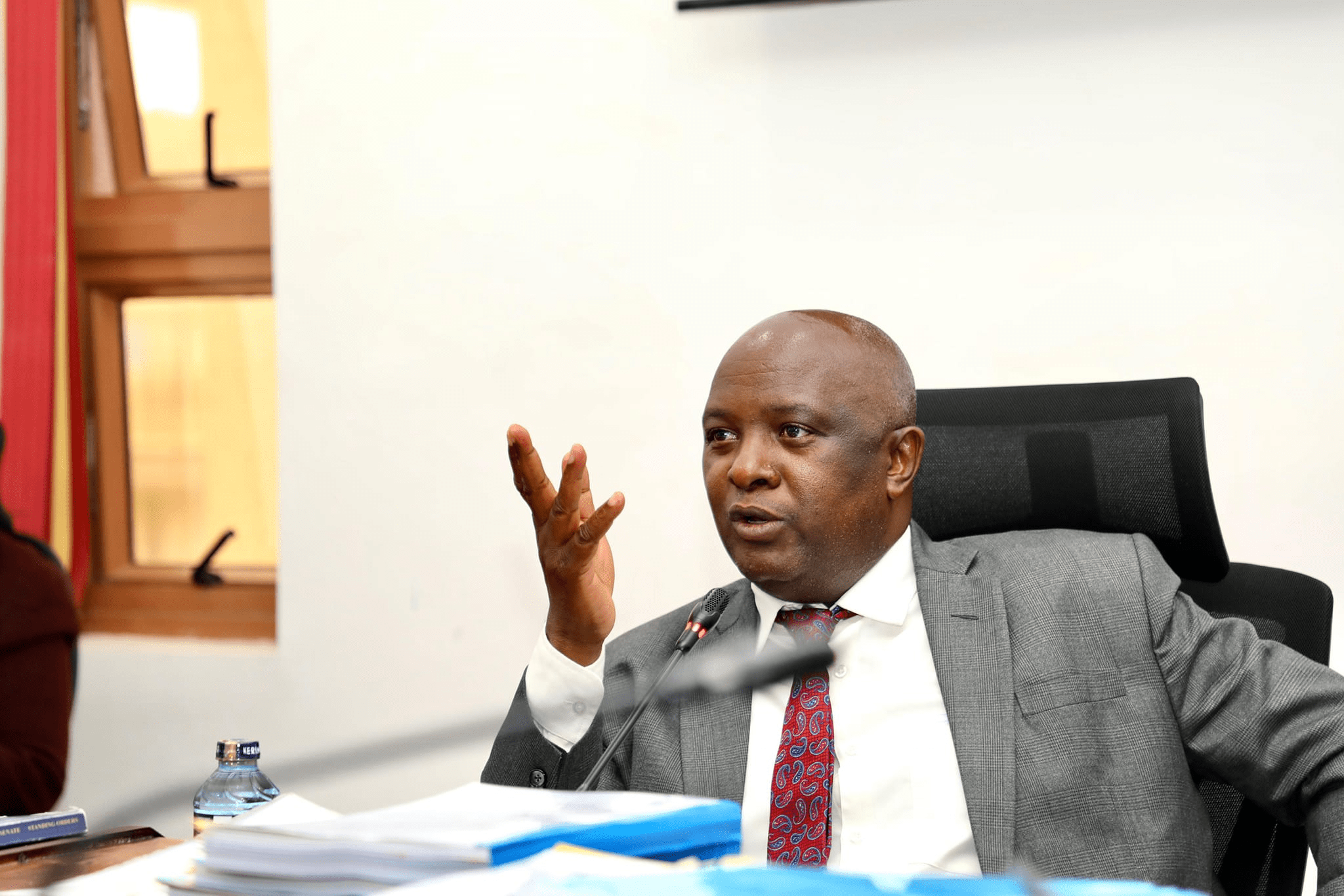
The complainants have singled out Tom Michira Nyakaba, Nairobi City County’s Chief Officer for Public Health, as the figure under whose oversight the alleged malpractices have occurred.
Nyakaba, who also serves as Secretary General of the County Chief Officers of Health Caucus, is accused of permitting nepotistic recruitment practices that have undermined the expectations and livelihoods of qualified former project staff.
“Hello Cyprian. We are reaching out with deep pain and frustration, seeking your help to fight for our rights. We previously worked with Fahari ya Jamii under the University of Nairobi. After our contracts ended, we were promised absorption by CIHEB. We attended suitability interviews on 5th and 6th August, trusting the process would be fair. However, to date, there has been no transparent communication. Instead, people are being hired secretly, many of whom were not Fahari ya Jamii staff, did not attend interviews, and are relatives of senior Nairobi County and CIHEB officials. Even this month, new people were recruited despite claims of “no funds.” This corruption is happening under the leadership of Tom Michira Nyakaba. Sir, this injustice has ruined lives. People are emotionally broken, families are suffering, and hope is fading. We plead for your intervention to help us seek justice, transparency, and dignity. We are not asking for favors, only fairness.”
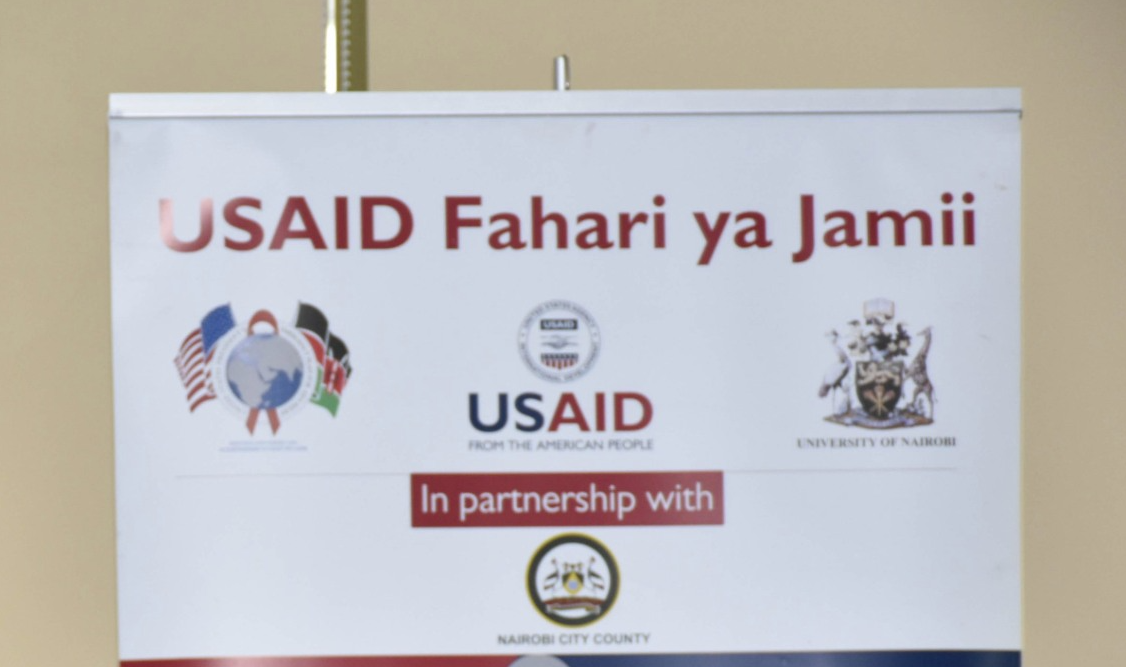
Fahari ya Jamii, a USAID-supported initiative under the University of Nairobi funded through PEPFAR, aims to improve access to HIV prevention, care, and treatment services, as well as TB and reproductive health interventions in Nairobi and Kajiado Counties.
The project targets vulnerable populations including people living with HIV, adolescents, and survivors of gender-based violence, while also strengthening county health systems.
CIHEB, which frequently assumes operational responsibility for PEPFAR-supported initiatives, is mandated to facilitate the continuity of such programs while ensuring adherence to governance and human resource protocols.
The allegations from former staff raise critical questions about recruitment integrity and accountability within organizations transitioning PEPFAR-funded projects to local management.
The group has appealed for intervention from relevant authorities to restore fairness, uphold dignity, and safeguard the livelihoods of qualified personnel who served under the Fahari ya Jamii program.