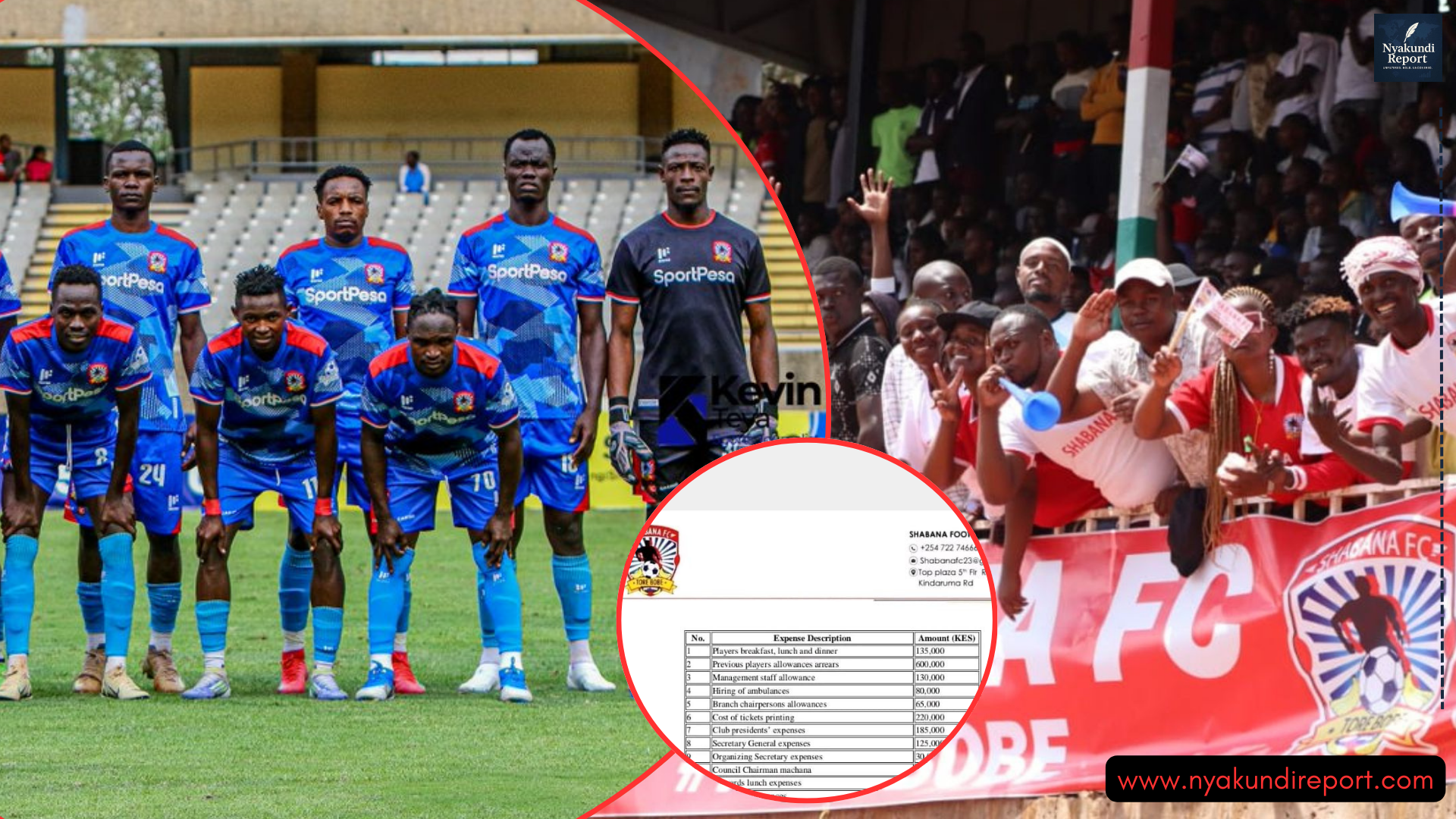





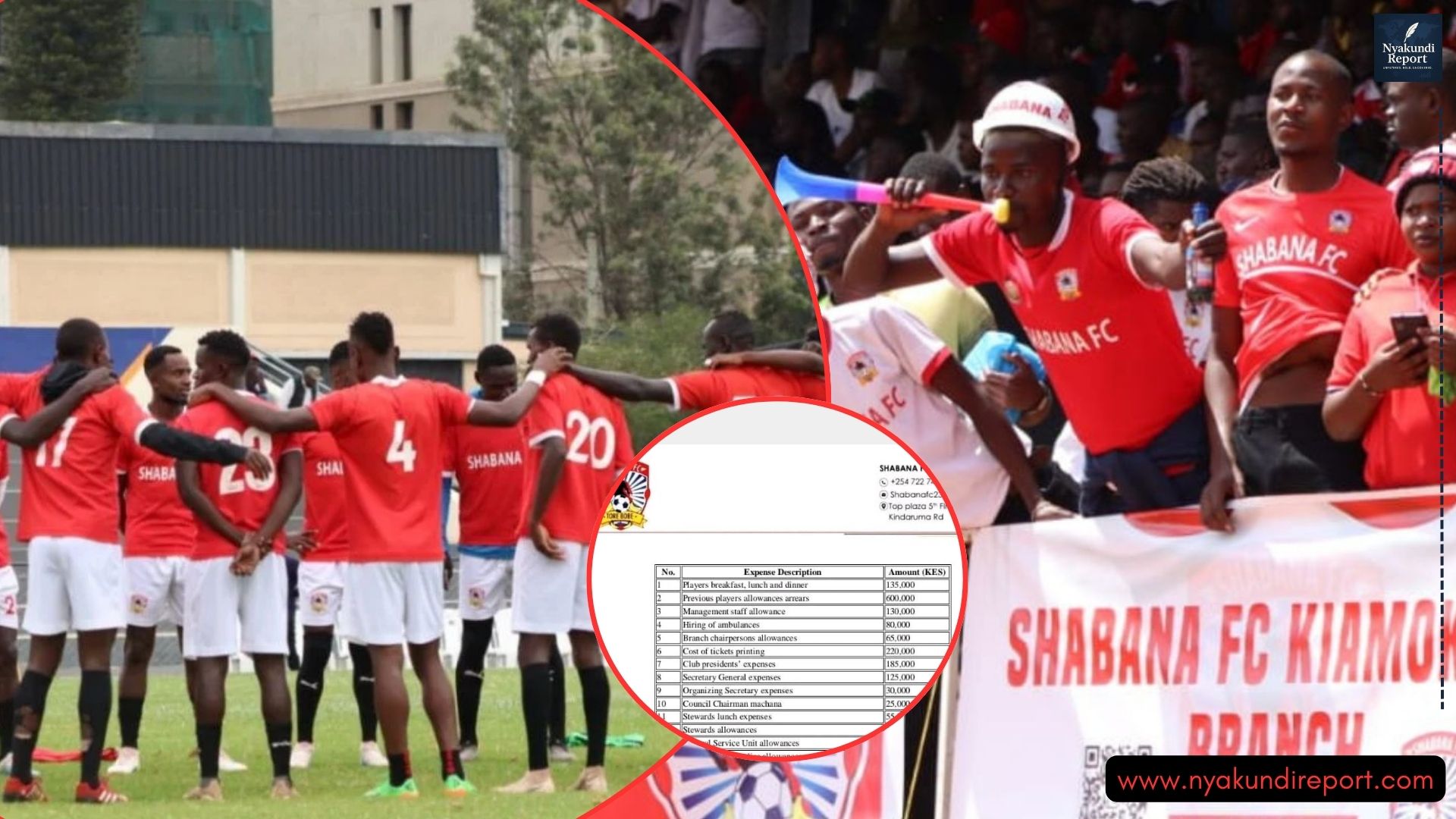






















Shabana FC players have launched a strike over unpaid allowances, exposing shocking management failures that threaten Kenyan football.
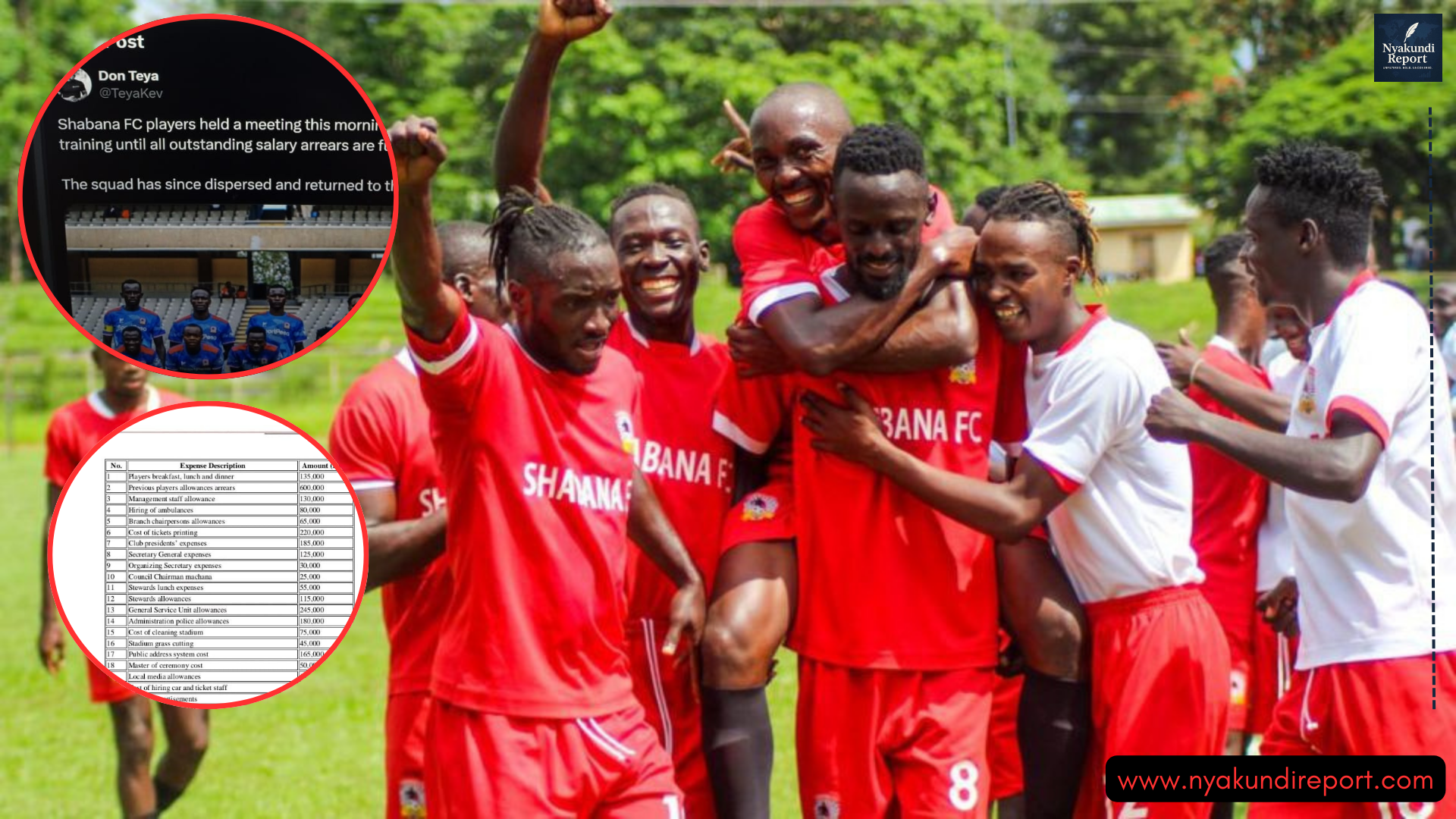
Today, Monday, January 19, 2026, the squad held a tense morning meeting and agreed to boycott training until all outstanding payments are fully settled. Players left the training ground and returned home, frustrated and demoralized.
This strike comes barely a week after they warned they would take action if officials continued feasting while they went unpaid. Fans and stakeholders now demand urgent accountability.
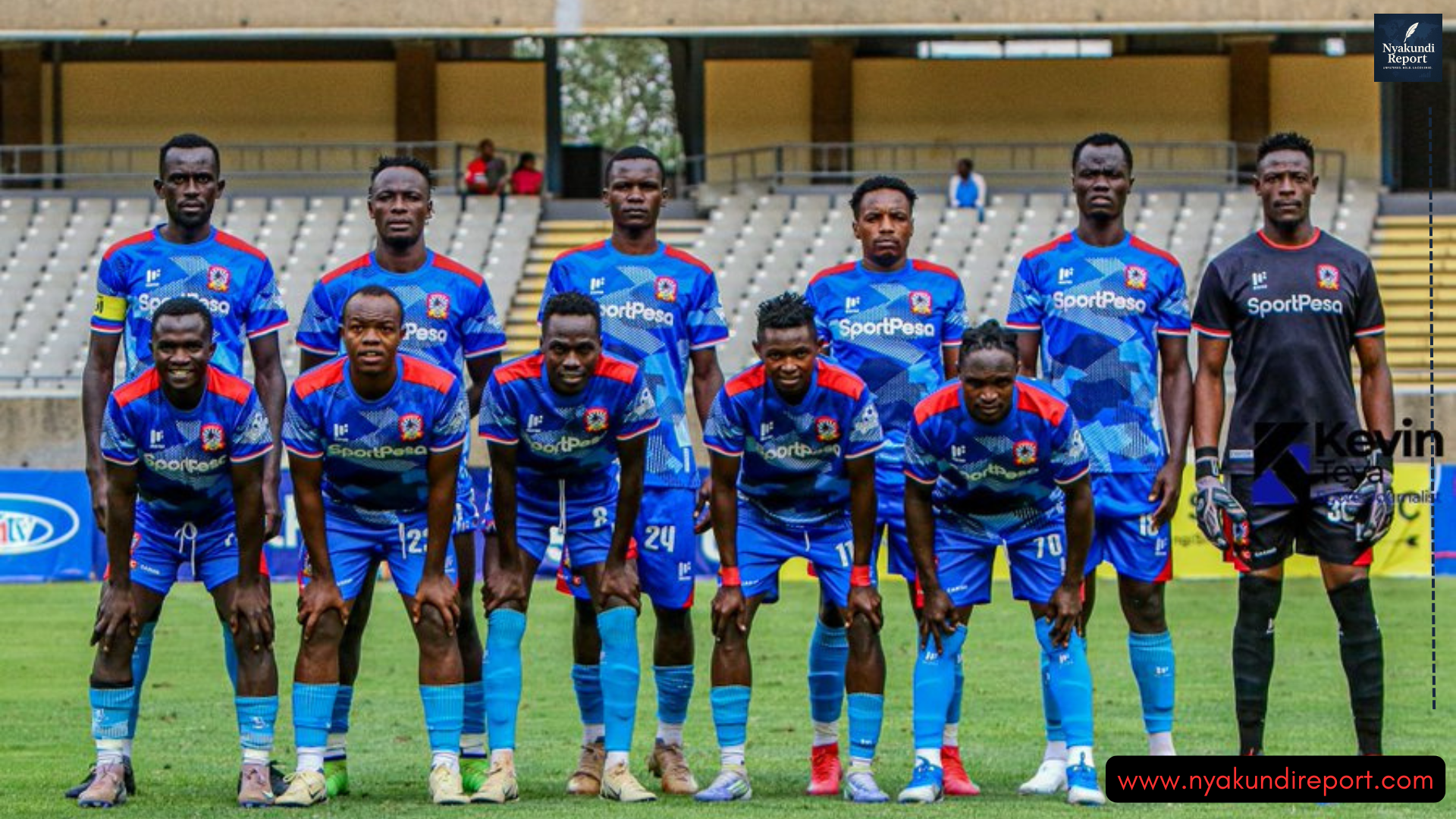
Shabana FC Management Shortcomings Undermine Top-Flight Football
Shabana FC’s promotion to the Kenyan Premier League was meant to be a triumph after decades in the lower leagues. Instead, players are battling late or missing allowances, while club officials enjoy comfort and perks funded by the same money meant for athletes.
Players allege that after their recent clash against Gor Mahia, match-day payments intended for that game were instead redirected to cover a previous fixture. Such mismanagement leaves players uncertain, struggling to meet basic needs, and performing under severe stress. Officials, meanwhile, appear indifferent to the hardship they cause, feasting and living large while the club’s backbone—the players—suffer.
This stark contrast between management opulence and player deprivation highlights systemic issues at Shabana FC. The club’s return to the top flight should have been celebrated, yet instead, athletes face a culture of neglect that threatens the team’s cohesion, morale, and long-term prospects.
Mismanagement Demoralizes Players
Players thrive when supported with stability, recognition, and timely pay. At Shabana FC, none of these fundamentals exist. Athletes report attending training sessions unsure whether they will receive their match allowances.
Financial insecurity weighs heavily on the squad. Mental strain, stress, and constant distraction diminish on-field performance. Injuries become harder to manage when players cannot afford proper treatment. The team’s overall coordination suffers, and a historic comeback in the Premier League risks being overshadowed by administrative greed.
The strike reflects more than frustration; it is a desperate plea for fairness. Players insist that they will not return to training until salaries are fully paid. Their stand sends a clear message: no professional athlete should work under chronic financial uncertainty while management enjoys lavish benefits.
Stunting the Growth of Kenyan Football
Shabana FC’s struggles are a microcosm of broader challenges in Kenyan football. Clubs that prioritize administrative indulgence over player welfare risk driving talent away. Young stars leave for more reliable teams, and the league’s overall quality deteriorates.
When top-flight clubs mishandle finances, it sends a damaging signal to players, sponsors, and fans. Shabana FC’s historic return should inspire hope, yet mismanagement now threatens to tarnish the club’s reputation and stall progress in Kenyan football.
Officials’ apparent disregard undermines trust. The culture of misallocated funds—“eating with a big spoon” while players starve—cannot continue if the league is to grow. Transparency, timely payments, and accountability must become non-negotiable priorities.
Shabana FC’s leadership faces a critical test. Addressing the strike requires immediate settlement of all outstanding salaries and a transparent roadmap for consistent future payments. Ignoring players’ demands risks escalating unrest, eroding fan support, and alienating sponsors.
The reality is clear: professional football depends on the welfare of its athletes. No club can thrive when the people who create value—the players—are neglected while a few officials live extravagantly. Fans, the Football Kenya Federation, and sponsors must hold Shabana FC accountable before mismanagement destroys the club’s legacy.
If corrective action does not occur, the consequences could ripple beyond Shabana FC, weakening the Kenyan Premier League and undermining efforts to develop homegrown talent. For now, the ball is in the hands of management: pay the players, restore trust, and rebuild a culture of professionalism, or watch history repeat itself as a cautionary tale of greed and neglect.