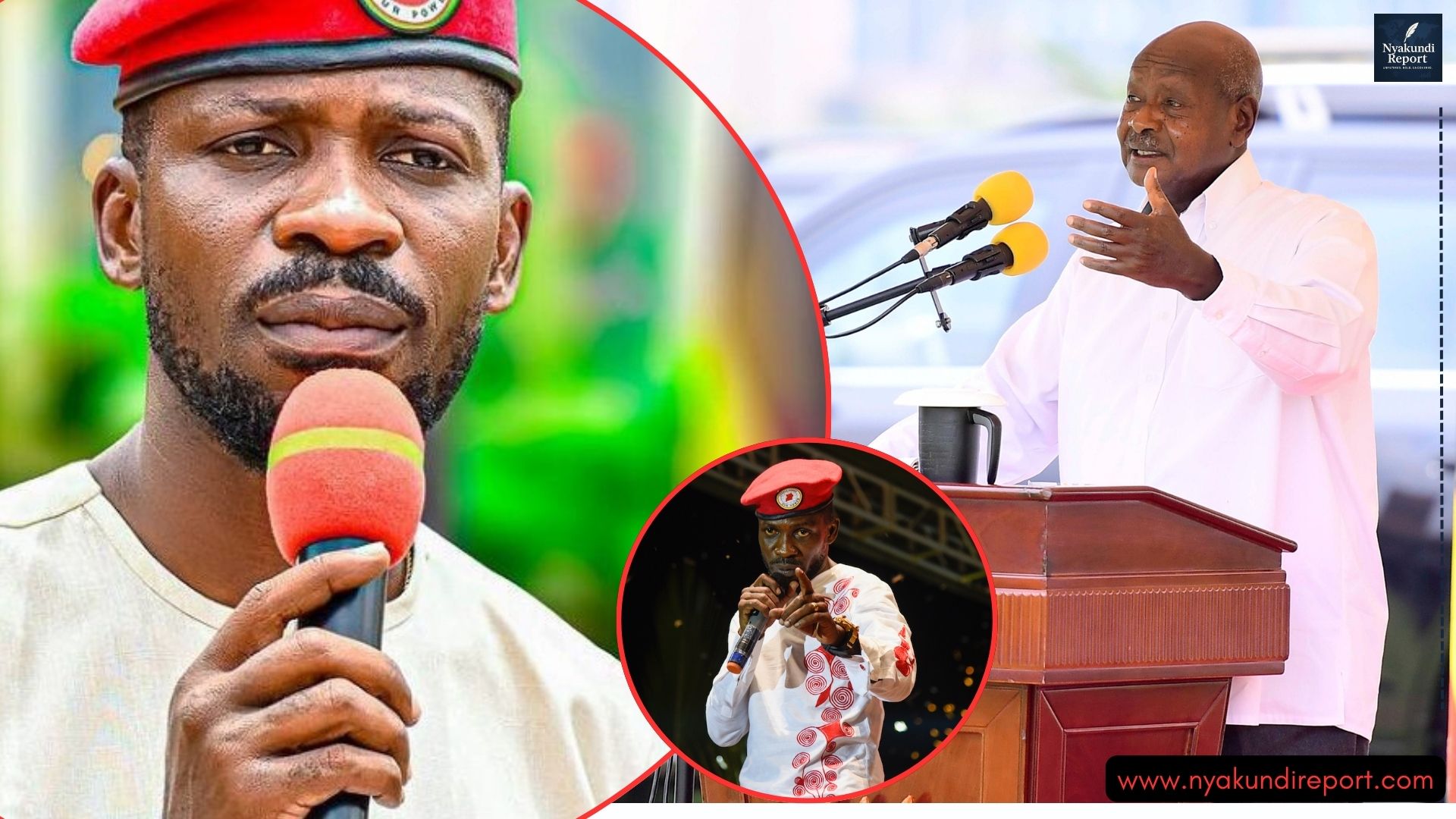




























Uganda woke to shock on Saturday after claims that National Unity Platform leader Bobi Wine was seized in a brutal midnight helicopter raid at his Magere home. Witnesses say armed security forces cut power, smashed cameras, chained gates, and hovered overhead with blinding lights before surrounding the compound.
His wife, Barbie Kyagulanyi, described chaos, fear, and a coordinated operation that looked more like a military invasion than policing. The state denies any abduction, yet unanswered questions and conflicting accounts have deepened a national crisis after a disputed vote this week.
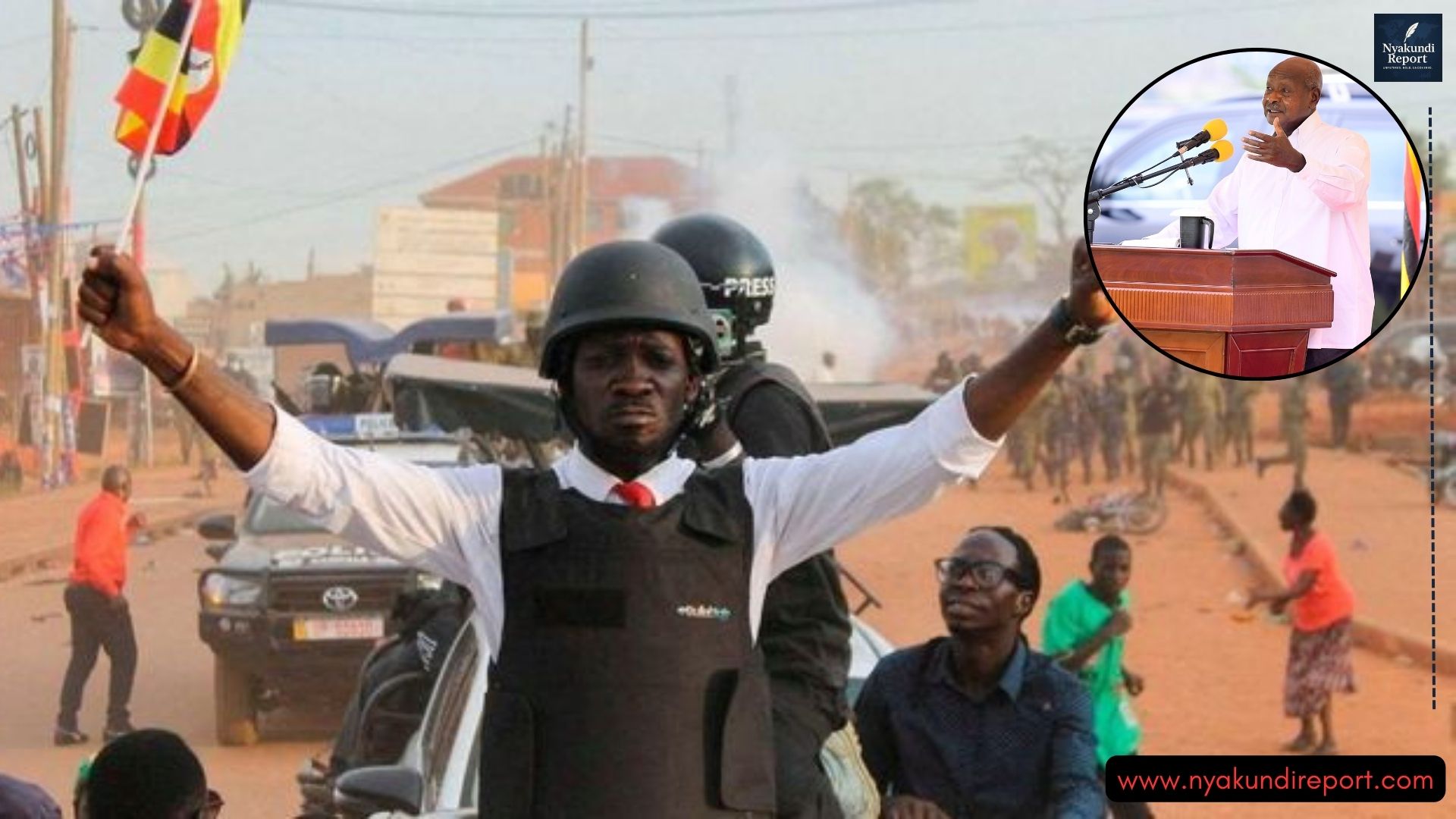
The Night Bobi Wine Was Abducted
It began just before midnight when strange movements lit up the perimeter of Bobi Wine’s residence. Men in uniform arrived quietly, then moved fast. They first disabled security cameras around the home, stripping away the family’s eyes and record of events.
Moments later, electricity went off across the property. Darkness swallowed the compound. A military helicopter then circled low above the house, its searchlight sweeping every corner like a prison beam.
Barbie Kyagulanyi phoned reporters in panic. She said officers placed ladders against the walls and tried to force entry. Loudspeakers blared outside the gate while armed personnel surrounded the fence. The family felt trapped, exposed, and helpless.
Private guards at the home tried to stand their ground. According to the National Unity Platform, security forces beat them despite no provocation. Guards neither fired shots nor resisted violently, yet they were treated as enemies of the state.
Eyewitnesses later reported seeing tents erected inside the compound. That move suggested planning for a long standoff rather than a quick arrest. As tensions rose, a helicopter reportedly landed near the residence, raising fears that Bobi Wine would be abducted and flown away in the dead of night.
By dawn, confusion reigned. Supporters outside the home shouted, prayed, and demanded answers. The party insisted its leader had been taken by force. The government insisted nothing of the sort happened.
Helicopter, ladders, and lights
The helicopter became the most chilling symbol of the raid. Residents said its roar shattered the silence of Magere, keeping families awake for hours. The bright beam did not search for criminals; it pinned one household in place.
The use of ladders showed coordination. Officers did not simply knock at the gate. They scaled walls, bypassed security, and treated the compound like hostile territory.
Cutting electricity completed the strategy. In darkness, panic spreads fast, cameras fail, and victims cannot clearly document what unfolds. Critics say this pattern matches past heavy-handed operations against opposition figures.
State denial versus witness claims
Uganda Police spokesperson Kituuma Rusoke dismissed the abduction claims outright. He called them “untrue and unfounded,” accusing the opposition of painting security agencies as violent rights violators. The government insists its forces acted lawfully and professionally.
Yet the official narrative clashes sharply with Barbie Kyagulanyi’s live testimony. Her voice on the phone trembled as she described officers chaining the gates and surrounding the family. She warned that “they will be back,” deepening fears about Bobi Wine’s safety.
The controversy grew darker after reports of deadly violence at the home of MP Muwanga Kivumbi, a close ally of Bobi Wine. Kivumbi said police killed people inside his compound while they waited for election results.
Police gave a very different account. Spokesperson Lydia Tumushabe claimed opposition supporters attacked a police station with machetes, forcing officers to fire in self-defence. She said 25 people were arrested. No independent body has yet verified either version.
These twin incidents—the alleged Bobi Wine abduction raid and the killings at Kivumbi’s home—have intensified national tension. Many Ugandans now question whether security forces protect citizens or silence dissent.
The National Unity Platform says the operation proves a pattern of intimidation against opposition leaders. Government officials say they are maintaining order. Ordinary citizens remain caught in between, fearful of speaking out yet desperate for truth.
What happened in Magere will shape Uganda’s politics long after the helicopters leave the sky. If Bobi Wine was indeed seized, it marks a dangerous escalation. If not, the state still faces a credibility crisis over how it treats political opponents.