

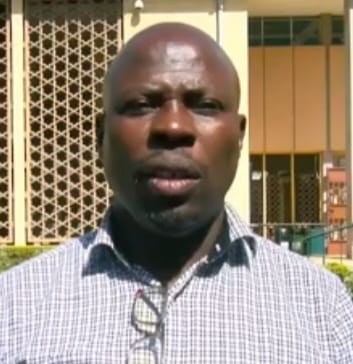
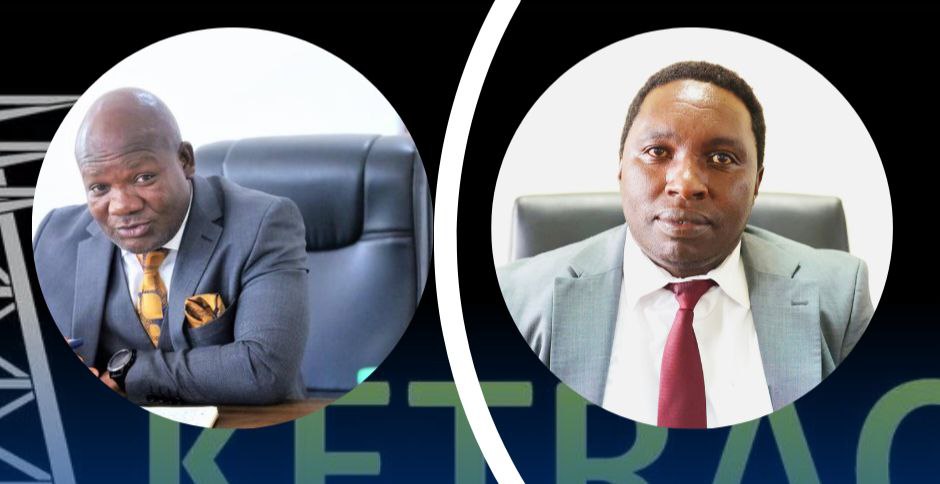
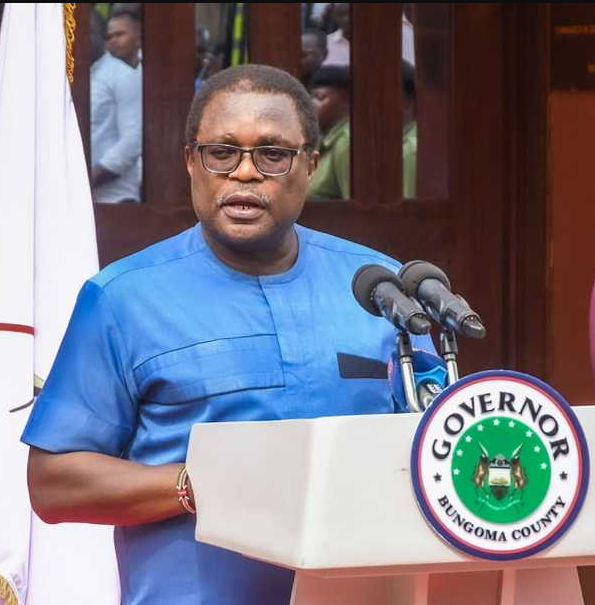






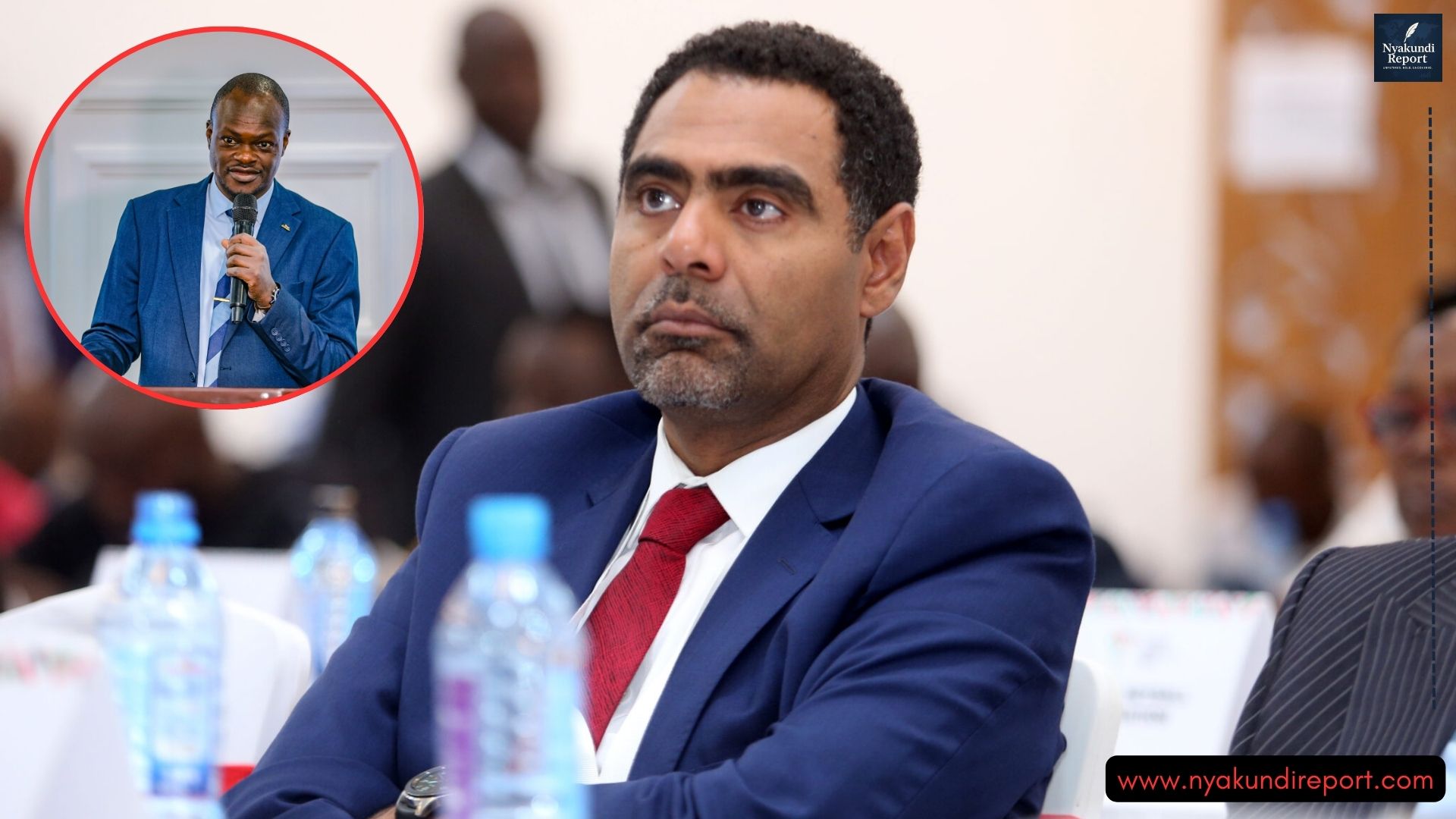
Football Kenya Federation has plunged into open warfare. At the centre sits FKF president Hussein Mohammed, a leader critics now describe as a strongman who rules through fiat, not consensus.
Ten months after hiring CEO Harold Ndege, Mohammed has triggered a purge. He has issued a show-cause letter listing 21 accusations and pushed a National Executive Committee vote that could end Ndege’s tenure on January 15, 2026.
The virtual setting, the timing, and the tactics reveal more than a performance review. They expose a despotic grip tightening around Kenyan football, where dissent fractures leadership and power trumps process in the escalating Hussein-Ndege war.
Hussein-Ndege War Exposes FKF Power Grab
Mohammed’s leadership style dominates the crisis. Insiders describe a president who decides alone, consults rarely, and expects obedience. His clashes with deputy McDonald Mariga last year signalled the drift. They campaigned together on reform. They now sit apart. FKF’s top table no longer meets in one room. Even the decisive NEC session will run online, raising fears of control and arm-twisting.
The president accuses Ndege of incompetence. Ndege rejects the charge and signals court action if the NEC endorses expulsion or suspension. NEC members have split into camps. Allegations of inducements swirl. The show-cause letter, copied to 13 NEC members, sets a seven-day deadline that expires this week. The choreography looks calculated.
Ndege arrived in February last year with finance credentials, management experience, and a playing pedigree that includes league titles with Tusker and a stint at Mathare United. He replaced Patrick Korir after a brief transition. Ten months later, he faces a political trial framed as performance management. The Hussein-Ndege war now threatens to paralyse the federation.
Governance Breaches or Power Plays?
The first cluster of allegations targets authority and communication. Mohammed claims Ndege failed to notify him of a parliamentary summons dated October 28, 2025. The president says he learned of it by chance weeks later. The letter alleges the CEO prepared submissions and engaged Parliament without approval, branding the conduct a governance failure.
Communication features again. Ndege allegedly admitted at two NEC meetings that contact with the president had broken down. Routing messages through personal assistants, the letter says, shows insubordination. Chronic absenteeism follows. Mohammed accuses Ndege of working from home without authorization and signing cheques offsite, undermining controls.
Travel and assets add heat. The president alleges unauthorized official trips and exclusive personal use of a federation vehicle despite fuel allowance, inconveniencing operations. He also faults Ndege for weak leadership on security and crowd control after hooliganism marred league matches, World Cup qualifiers, and CHAN fixtures. The letter credits interventions to the president, not the CEO.
Football Operations Under Fire
The second cluster attacks technical planning. Mohammed cites poor planning in appointing the U17 technical bench, delays, and rushed decisions that hurt preparedness and results at CECAFA U17 in Ethiopia. He says the CEO proposed no fixes until presidential intervention.
The U15 team draws similar criticism. The letter questions who appointed the bench and under whose authority. It cites inadequate preparations for CECAFA U15 in Uganda, incorrect merchandise branding, logistical failures, and negative publicity without remedial action.
League management also features. The Eastern Zone Division One and Two leagues allegedly suffered unresolved operational failures, conflicting communication, and weak escalation that disrupted competitions and eroded trust.
Regional influence comes next. Mohammed flags a lack of Kenyan representation on CECAFA U17 technical committees or non-disclosure of appointments, warning that Kenya’s interests slipped through the cracks.
Administration Breakdown and Stalled Projects
The final cluster paints an administration adrift. The letter faults poor planning of major events, including World Cup qualifiers and the 9th FKF Congress, citing last-minute decisions and absent leadership. It accuses the secretariat of slow or silent responses to clubs, branches, NEC members, CAF, and FIFA, breeding confusion.
Process failures stack up. NEC minutes allegedly arrive late and inconsistently, with weak follow-through. The CEO allegedly failed to convene regular secretariat meetings, harming morale and accountability.
Symbolic missteps sting. A public Harambee Stars kit design competition attracted wide participation, then collapsed with no winners or communication, causing reputational damage. FKF headquarters reportedly deteriorated, with non-functional toilets affecting staff welfare.
Strategic projects stalled. The FIFA Arena initiative failed to advance despite presidential direction. An MOU with Morocco’s federation sits idle. CHAN duties allegedly lacked visible leadership even with Ndege serving as deputy CEO of the Local Organising Committee. The letter ends with a compliance warning over FIFAe Summit nominations made without due process, exposing financial risk.
Verdict Under The Microscope
Taken together, the 21 counts read like an indictment. Yet context matters. Many claims hinge on authority lines the president himself controls. The virtual NEC vote, the compressed timeline, and the broader pattern of sidelining dissent raise questions about motive. This looks less like remediation and more like consolidation.
Kenyan football pays the price. When leaders cannot sit together, governance suffers. The Hussein-Ndege war now tests FKF’s commitment to due process, transparency, and collective leadership. If the NEC rubber-stamps the purge, the federation will confirm fears of strongman rule. If it resists, it may reclaim balance. Either way, the game deserves better than power games dressed up as performance reviews.