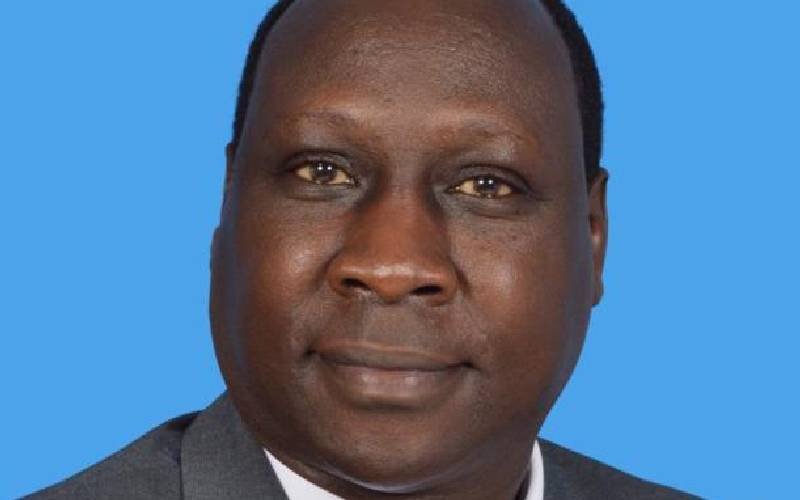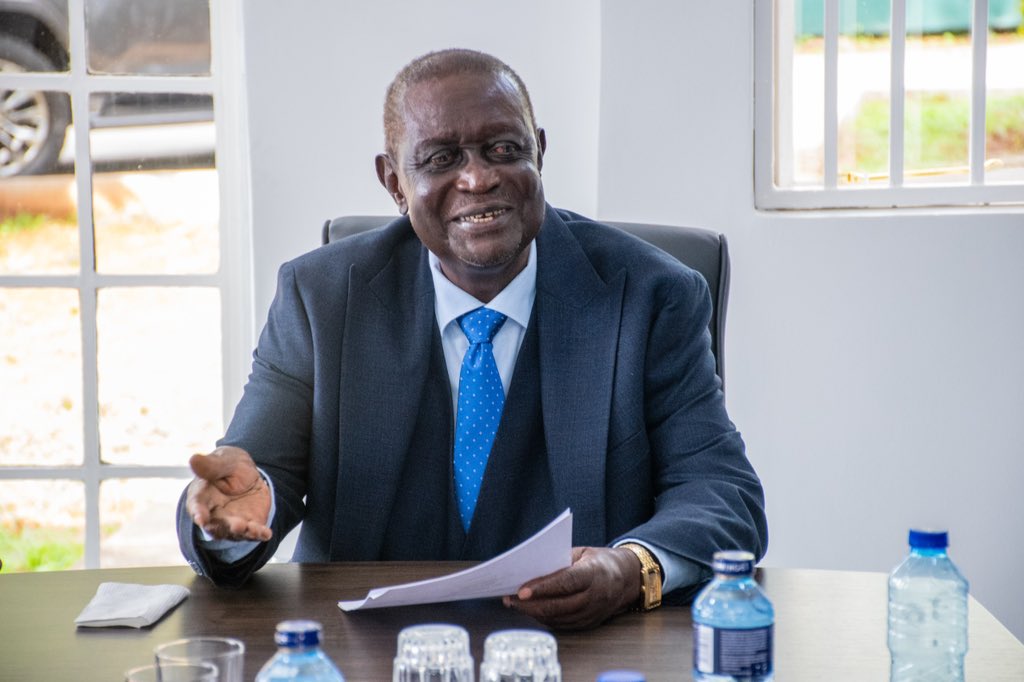
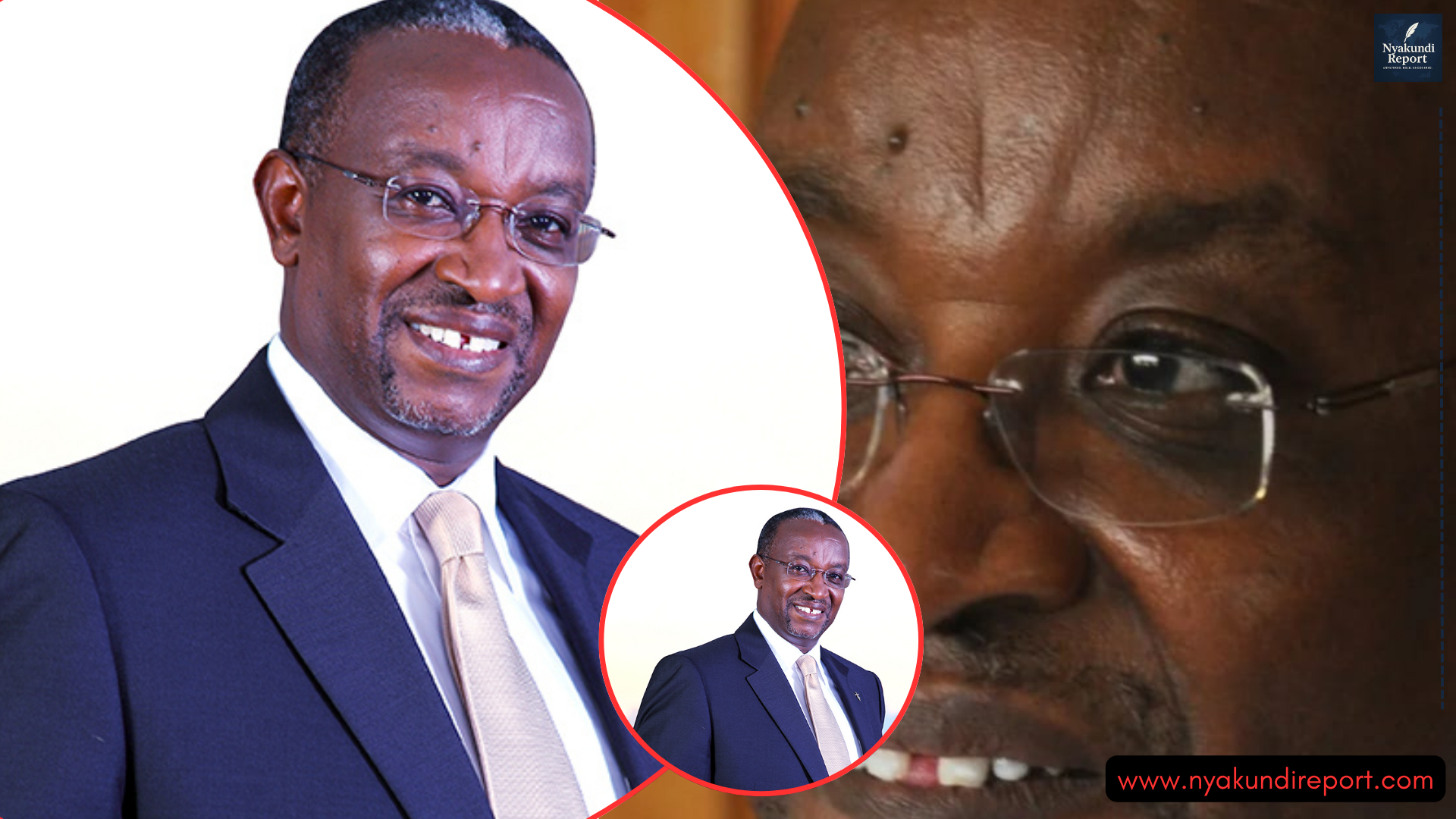


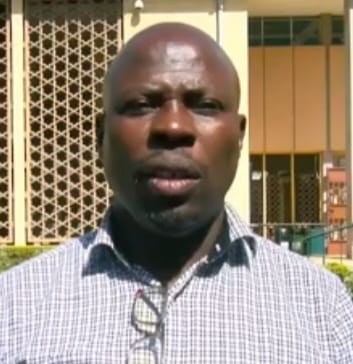








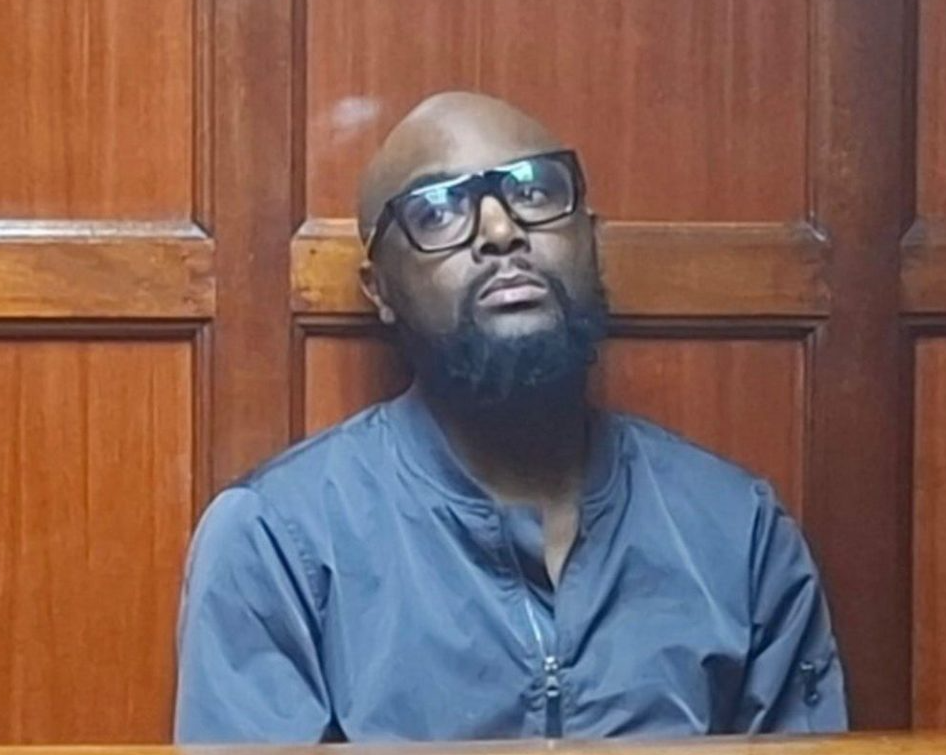
Harrison Mumia, the outspoken president of the Atheists in Kenya Society, is set to spend his sixth night in police cells.
Harrison Mumia’s arrest followed his inability to secure a cash bail of KSh 1 million in a prominent cybercrime case.
The activist was arrested on allegations of publishing false information online.
The activist was accused of publishing false information online, including AI-generated images that falsely depicted President William Ruto as dead or critically ill. He was later arraigned at the Milimani Law Courts in Nairobi.
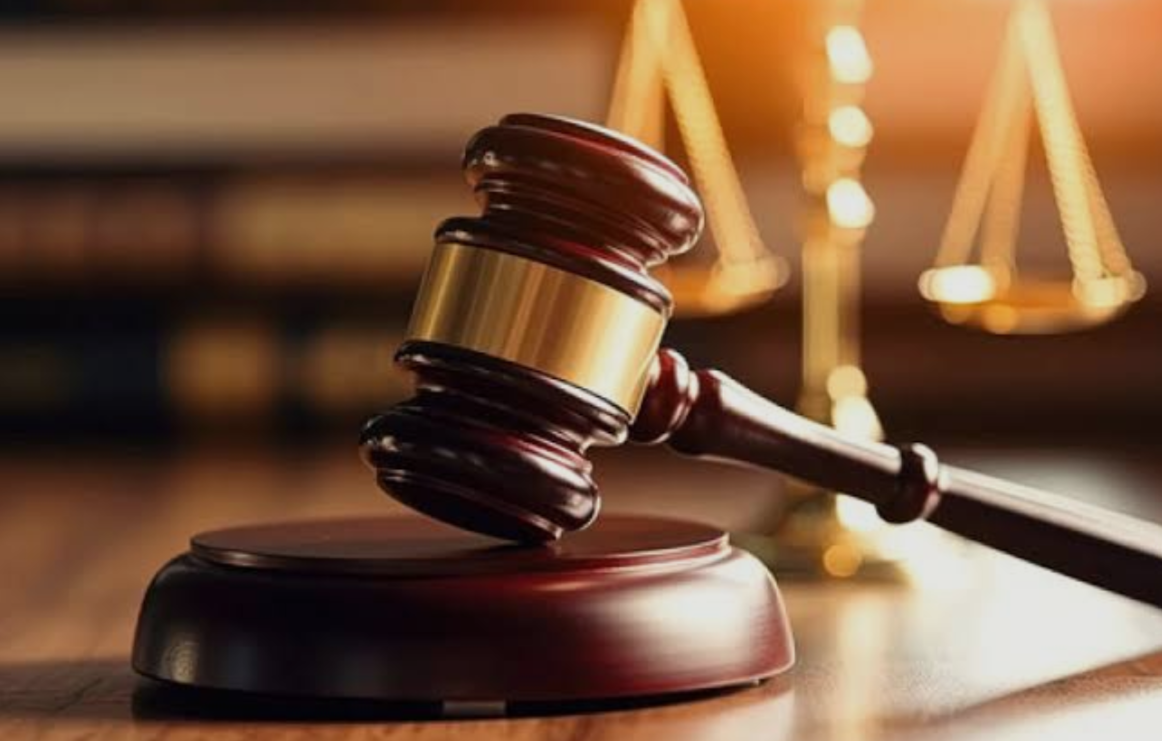
Despite the court granting him the option of a KSh 500,000 cash bail or a KSh 1 million bond, his continued detention underscores the steep bail terms.
The case has also sparked a heated national debate about the importance of freedom of expression in the digital age.
Arrests and Charges
Mumia was picked up by detectives from the Directorate of Criminal Investigations (DCI) around New Year’s Eve at his Komarock home and held for several days before being presented in court.
He was charged with multiple counts of false publication under Section 22(1) of the Computer Misuse and Cybercrimes Act.
Prosecutors allege he used a pseudo Facebook account, “Robinson Kipruto Ngetich,” as well as his social media pages to share misleading AI-generated images of the president.
In court, he pleaded not guilty to all counts, as his lawyer argued he was not a flight risk and requested more lenient bail terms.
Tough Bail Terms and Sixth Night in Cell
The court granted bail but set it at KSh 500,000 cash or a KSh 1 million bond, an amount his family and supporters have struggled to raise within the tight timelines.
As a result, Mumia remains in custody, marking his sixth consecutive night behind bars since his arrest.
Rights advocates and some online commentators have described the bail as punitive.
Additionally, they argue that the bail effectively maintains his incarceration despite the presumption of innocence.
Free Speech, AI, and the Law
The case has sparked a conversation about the extent to which the state can regulate online speech, particularly in an era where deepfakes and AI-generated images can spread rapidly.
Authorities maintain that the posts were not just satire or criticism but deliberate falsehoods capable of causing public alarm.
This is especially true when the posts address the health and personal life of a sitting head of state.
However, supporters of Mumia see the charges as an attempt to intimidate outspoken critics of religion and government.
Therefore, they caution that the aggressive application of cybercrime laws could potentially suppress legitimate political expression.
Next Steps in the Case
Prosecutors have indicated they will call digital forensics experts and other witnesses to link the disputed social media accounts and AI images to Mumia as the case proceeds to pre-trial.
A pre-trial conference has been scheduled, where timelines for witness testimony and evidence disclosure will be set.
Meanwhile, friends and allies manage to pull together the required KSh 1 million bond or KSh 500,000 cash bail.
The atheist leader will continue to spend nights in custody as his legal battle over online speech, satire, and state power unfolds.
ALSO READ: Ana de Armas: The Unstoppable Rise of Hollywood’s New Action Queen