












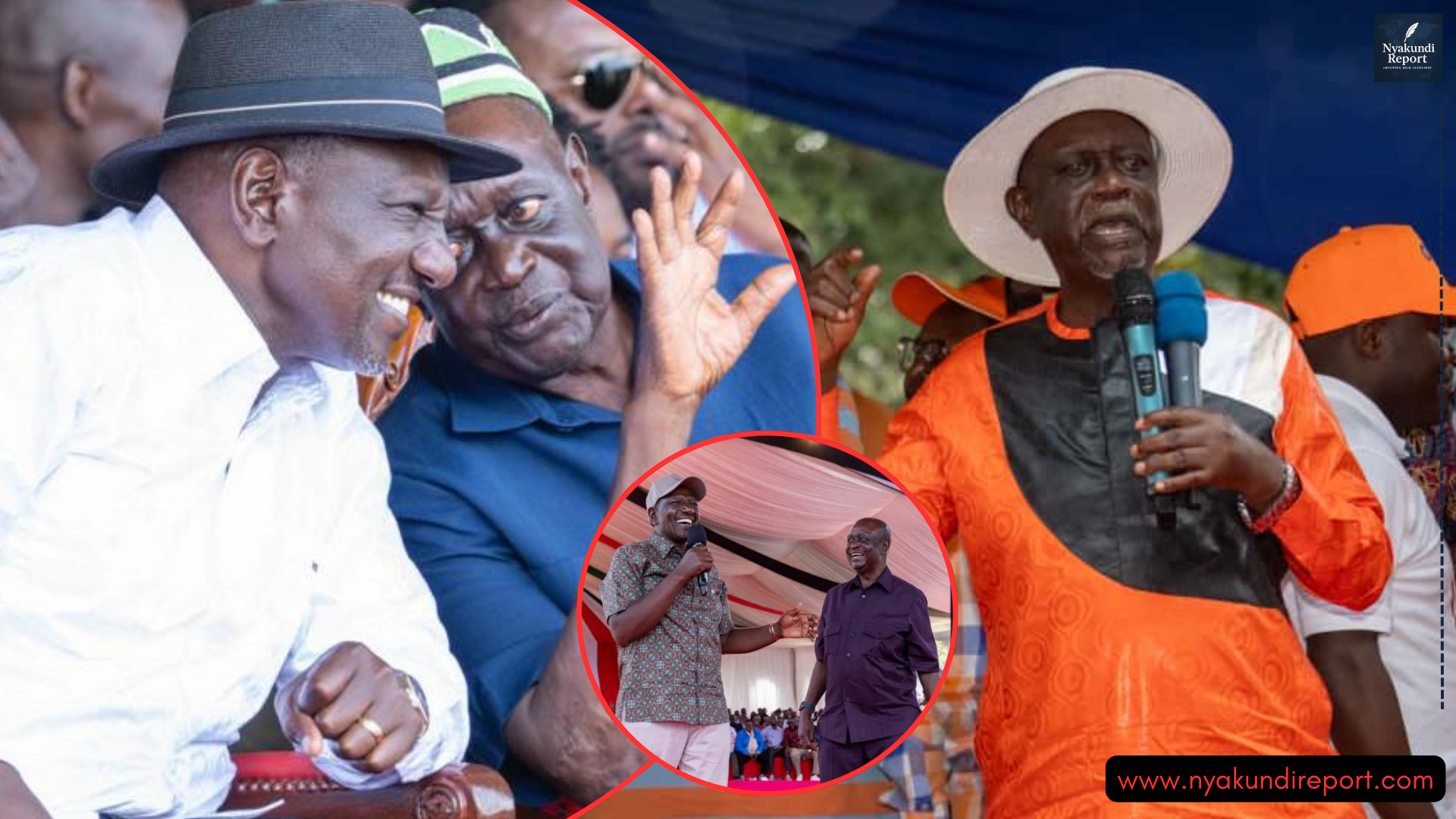








Kenya has found itself walking a diplomatic tightrope after details emerged of Ruto’s phone call with the president of Somalia, a high-level exchange that unfolded behind closed doors while the Horn of Africa grapples with a fresh geopolitical storm.
The call, confirmed by Mogadishu, places President William Ruto at the centre of a regional pushback against Israel’s controversial recognition of Somaliland. With Nairobi balancing historic ties with Israel and strategic interests in Somalia, the conversation raises hard questions about Kenya’s foreign policy posture, regional loyalty, and the hidden costs of silence or alignment.
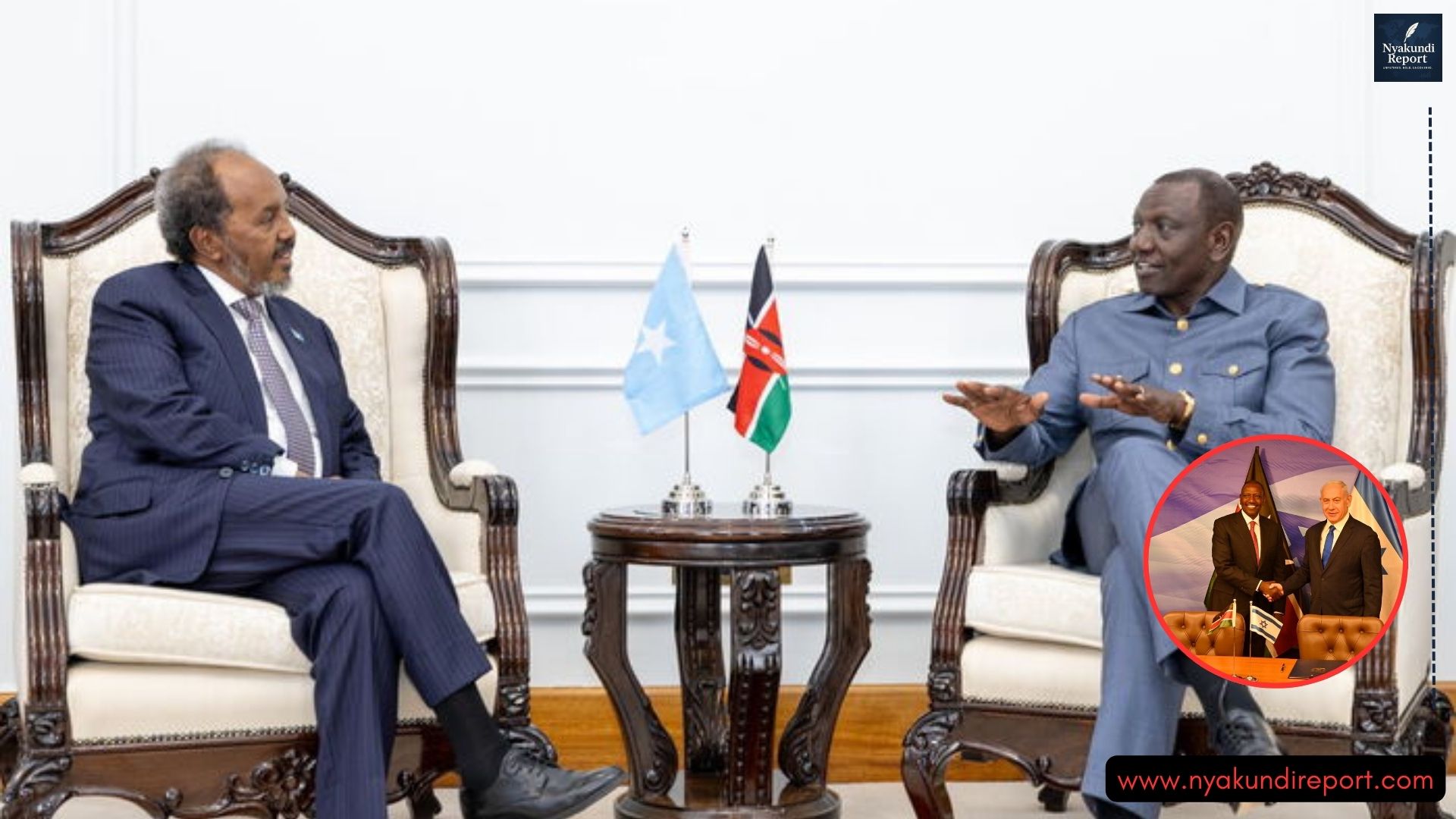
Ruto’s Phone Call With Somalia President Deepens Regional Diplomacy Calculations
According to a statement released on Saturday, December 27, by the office of Somali President Hassan Sheikh Mohamud, President William Ruto was among several regional leaders consulted in urgent diplomatic engagements following Israel’s recognition of Somaliland as an independent state. Other leaders involved included Uganda’s Yoweri Museveni, Tanzania’s Samia Suluhu, Djibouti’s Ismael Omar Guelleh, and key African partners.
At the heart of Ruto’s phone call with the Somalia president was a reaffirmation of Somalia’s sovereignty, unity, and territorial integrity. Mogadishu framed the discussions around bilateral, regional, and global matters, with emphasis on economic collaboration and regional stability. However, beneath the official language lay unmistakable anxiety over a decision Somalia views as a direct assault on its territorial integrity.
The timing of the call is significant. Israel’s move has triggered diplomatic shockwaves across Africa and the Middle East, forcing neighbouring states, Kenya included, to publicly or quietly pick sides. For Ruto, the engagement with Mohamud signals Kenya’s intention to stand with regional consensus, even when it risks complicating relations with long-standing allies.
Why Somaliland Recognition Has Shaken the Horn of Africa
Israel’s announcement recognising Somaliland as a sovereign state has unsettled an already fragile region. During a phone call with Somaliland President Abdirahman Mohamed Abdilahi, Israeli Prime Minister Benjamin Netanyahu declared his government’s intention to formalise ties and support Somaliland in agriculture, economic development, and social sectors.
Somalia swiftly condemned the declaration, branding it a violation of international law and an attack on its sovereignty. The Somali Ministry of Foreign Affairs invoked the United Nations Charter, African Union Constitutive Act, and other international frameworks to underline what it called a non-negotiable commitment to national unity.
The African Union echoed these concerns, warning that interference in Somalia’s borders risks serious security repercussions across the continent. The AU Commission pledged full backing for Somali authorities, framing the issue as a test of Africa’s collective stance on territorial integrity.
Kenya Caught Between Strategic Alliances and Regional Solidarity
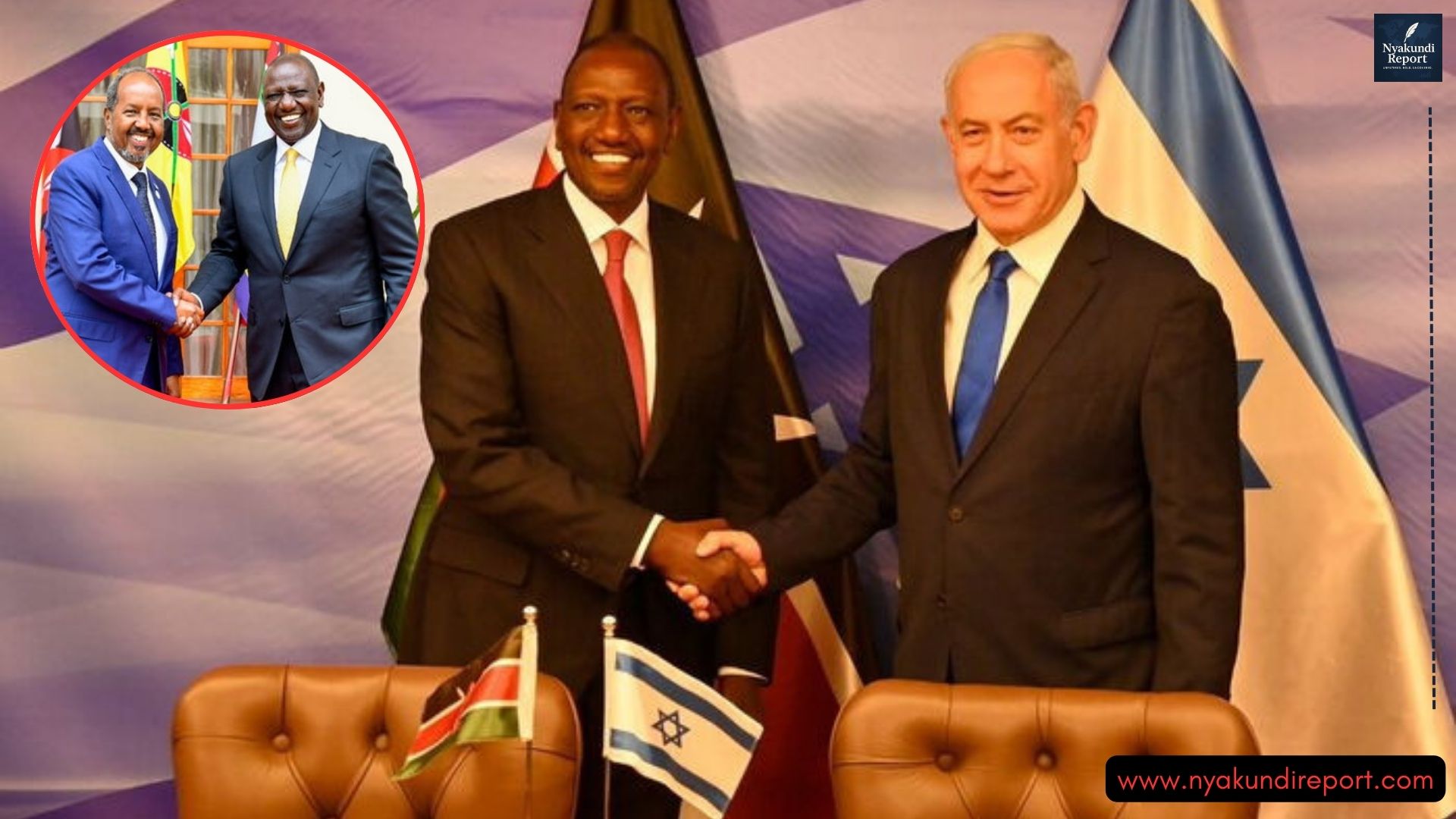
Kenya’s involvement adds a layer of complexity. Nairobi has long enjoyed strong diplomatic and security ties with Israel, particularly in counterterrorism and development cooperation. At the same time, Kenya has deep political, economic, and security interests in Somalia, including peacekeeping, trade, and border security.
By aligning with Somalia’s position, Kenya risks a rare point of diplomatic friction with Jerusalem. This is further complicated by Somaliland’s long-standing representative office in Nairobi, a presence Mogadishu has repeatedly criticised as undermining its sovereignty.
Kenya’s move places it alongside Uganda, Tanzania, and Djibouti, as well as Middle Eastern powers such as Saudi Arabia, Egypt, Turkey, Jordan, and Iraq, all of which have rejected Israel’s recognition of Somaliland. The collective stance underscores growing regional consensus, but also exposes Nairobi to the diplomatic costs of choosing principle over convenience.
What the Call Reveals About Ruto’s Foreign Policy Gamble
The substance and timing of Ruto’s phone call with the Somalia president reveal a calculated but risky foreign policy approach. Ruto appears keen to position Kenya as a stabilising regional actor that respects international law and African Union principles. Yet this balancing act comes with consequences.
Domestically, questions may arise about Kenya’s consistency in dealing with Somaliland-related engagements within its borders. Internationally, Nairobi must now manage potential strain with Israel without eroding cooperation in security and development.
What is clear is that the phone call was more than diplomatic courtesy. It was a signal. Kenya has chosen to publicly anchor itself within the regional bloc defending Somalia’s territorial integrity, even when that stance collides with powerful global interests. In a region where silence often speaks louder than statements, Ruto’s decision to engage may define Kenya’s role in the unfolding Horn of Africa realignment.