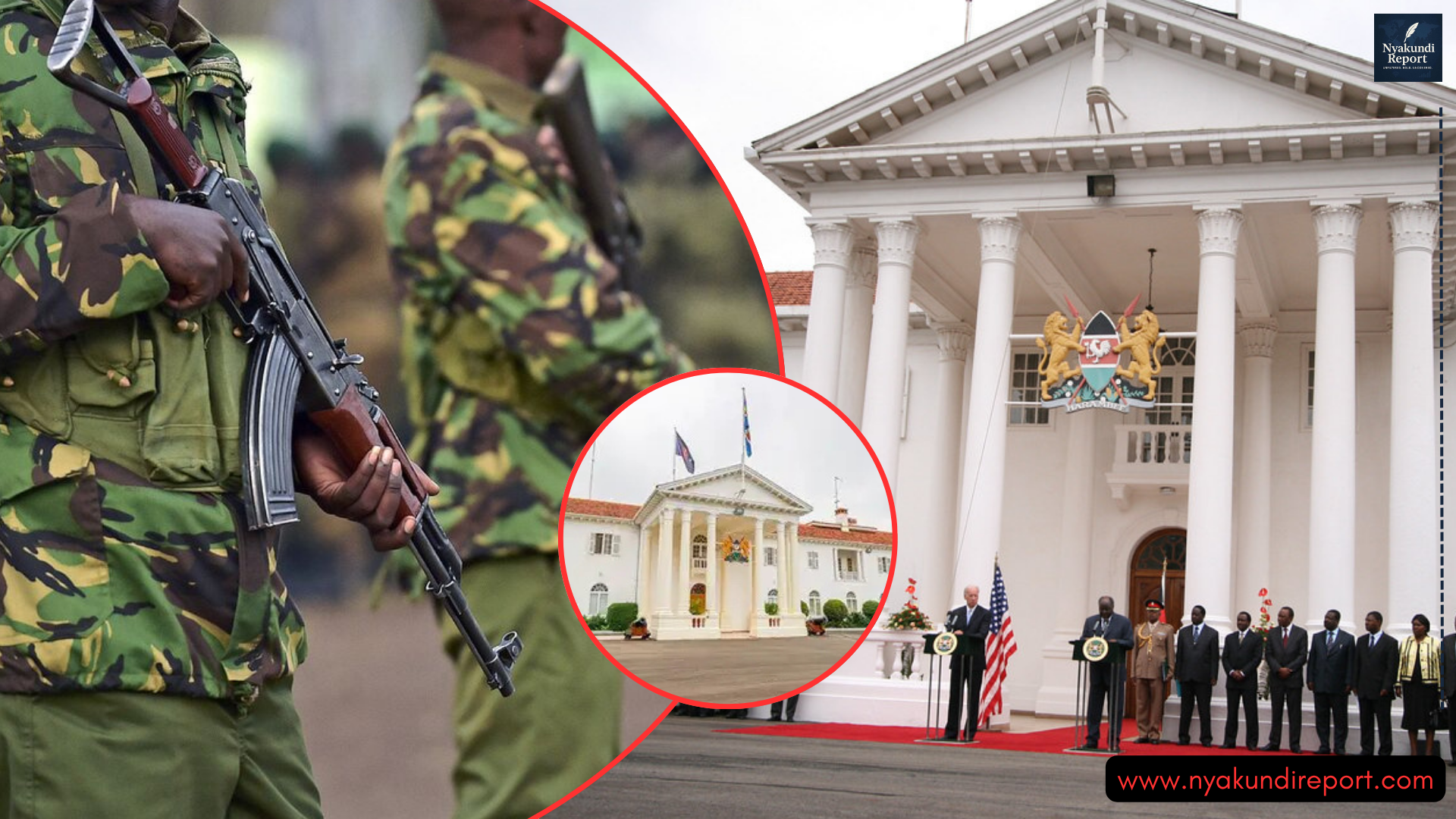




























President William Ruto’s administration is moving to formalise a defence deal that could significantly alter Kenya’s security landscape and sovereignty debate. At the centre of the pact is a proposal to grant diplomatic-style privileges to foreign troops operating on Kenyan soil.
The agreement, now before Parliament, would see Kenya extend legal protections and immunities to French soldiers deployed under joint defence activities. While the government frames the deal as strategic cooperation, critics warn it raises serious constitutional, accountability, and transparency questions that demand public scrutiny.
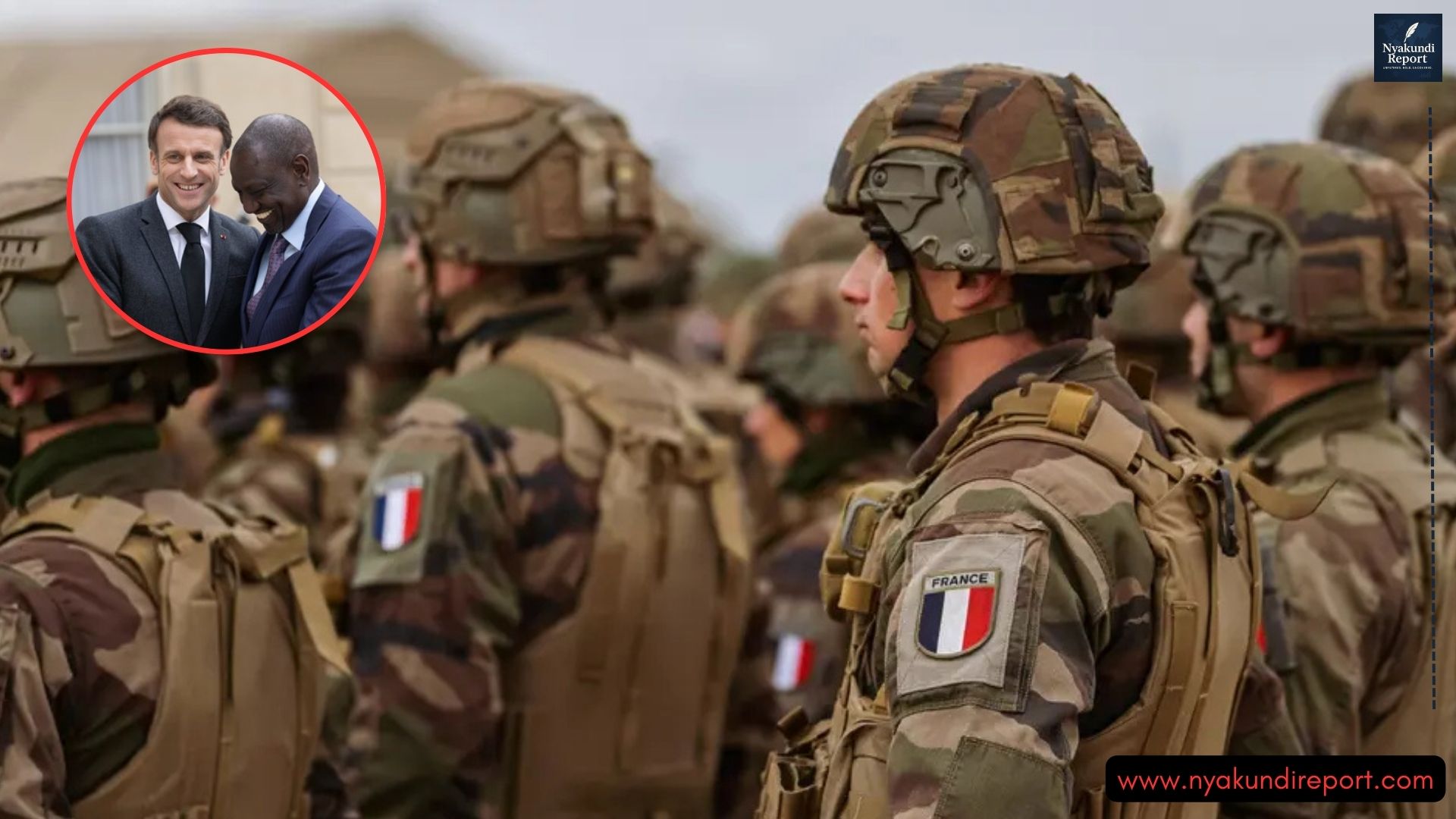
Diplomatic Immunities to French Soldiers Under Ruto Defence Push
Kenya is set to grant diplomatic-style privileges and immunities to French soldiers under a new Defence Cooperation Agreement that has now been tabled in Parliament. The National Assembly has formally invited Kenyans to submit their views before the pact is ratified, triggering a rare but crucial moment of public participation in foreign military policy.
In a public notice issued on Wednesday December 17, the Clerk of the National Assembly, Samuel Njoroge, confirmed that the agreement between Kenya and France has been committed to the Departmental Committee on Defence for review. The deal was tabled in the House on November 27, 2025, activating constitutional requirements under Articles 118(1)(b) and 2(5) and (6) of the Constitution, alongside Section 8 of the Treaty Making and Ratification Act.
At its core, the agreement establishes a legal framework governing the presence and activities of visiting forces from both countries. However, one provision stands out for its far-reaching implications. Kenya would be obligated to accord visiting foreign forces privileges, immunities and logistical support while operating within the country under agreed defence cooperation activities.
This clause has reignited long-standing concerns over foreign military presence in Kenya, particularly around accountability, jurisdiction and national sovereignty. Granting diplomatic immunities effectively shields foreign soldiers from certain legal processes, raising the question of how justice would be served if violations occur.
What the Defence Agreement Really Allows
According to the parliamentary notice, the Defence Cooperation Agreement seeks to enhance bilateral cooperation on defence and security matters for the mutual benefit of Kenya and France. On paper, the deal outlines cooperation in military training, capacity building, intelligence sharing, joint exercises and information exchange.
It also extends into sensitive areas such as maritime security, peacekeeping missions and humanitarian support. These are areas where Kenya has historically relied on international partnerships, especially in combating terrorism and securing its borders.
Yet the provision on privileges and immunities goes beyond routine cooperation. It obligates Kenya to provide legal protections and logistical assistance to French forces operating locally. While the agreement states that all activities must comply with the laws, sovereignty and territorial integrity of each country, critics argue that immunity clauses often blur these assurances in practice.
Past global examples show that such agreements can limit a host country’s ability to prosecute foreign troops, even in cases involving serious offences. This reality makes the current parliamentary review a critical checkpoint rather than a procedural formality.
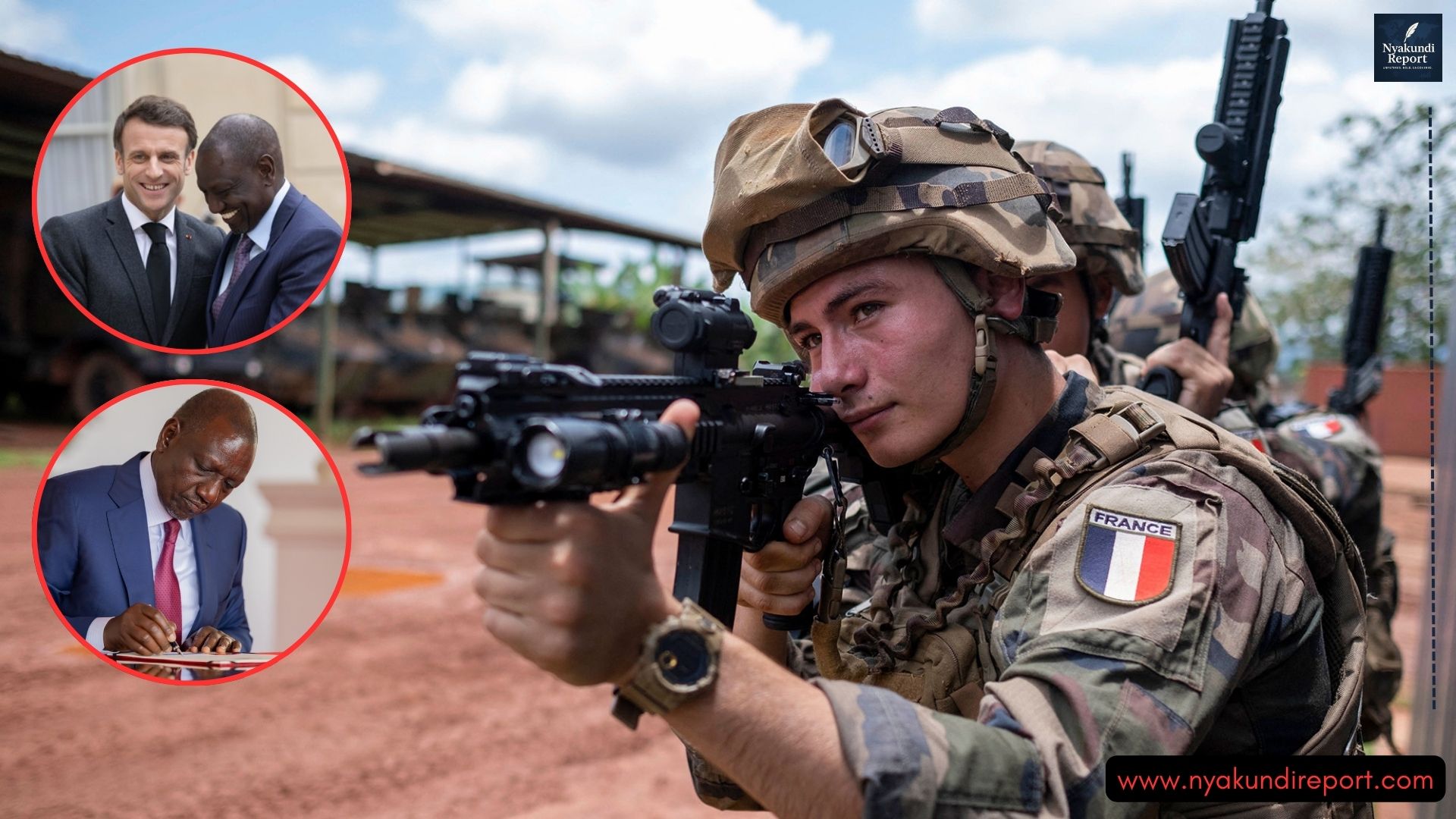
Parliament Opens Door for Public Scrutiny
In a move grounded in constitutional requirements, Parliament has invited members of the public and stakeholders to submit memoranda on the agreement by December 31, 2025. This process is anchored in the Constitution’s demand for openness and public participation in legislative and treaty-making processes.
The Defence Committee will review these submissions before making recommendations to the House. Whether those views will meaningfully shape the final outcome remains an open question, especially given the executive’s strong backing of the deal.
The agreement was signed in October 2025 at the Ministry of Defence headquarters in Nairobi. Defence Cabinet Secretary Soipan Tuya and French Ambassador to Kenya Arnaud Suquet formalised the pact in a ceremony that underscored the deepening military ties between the two nations.
For lawmakers, the challenge now lies in balancing strategic security interests with constitutional safeguards and public accountability.
Sovereignty Questions Surround Ruto’s Foreign Military Policy
The Ruto administration has framed the deal as a milestone in strengthening bilateral relations with France, citing shared commitments to peace, stability and security. The Ministry of Defence has emphasised that the agreement builds on a long-standing partnership.
However, sovereignty concerns continue to trail defence agreements that grant Diplomatic Immunities to French Soldiers. Critics argue that Kenya risks surrendering legal authority over foreign troops operating within its borders, even temporarily.
With growing regional insecurity and shifting global alliances, Kenya’s defence partnerships are under sharper scrutiny than ever. The parliamentary process now underway will test whether public participation is treated as a constitutional pillar or a box-ticking exercise.
As the deadline for public submissions approaches, the fate of the defence pact will reveal how far Kenya is willing to go in trading legal authority for security cooperation under President Ruto’s watch.