






















Kenya’s security mission in Haiti has entered a new phase after Nairobi deployed another batch of officers to the gang-ridden Caribbean nation, barely days after President William Ruto signed a major healthcare deal with US President Donald Trump in Washington.
The move has revived a tough debate back home. Many Kenyans still question the urgency of pouring resources into Haiti while local hospitals struggle, doctors protest, and county health systems remain underfunded.
Ruto’s government insists the mission strengthens global peace and Kenya’s international standing, but critics believe the timing reveals deeper political calculations.
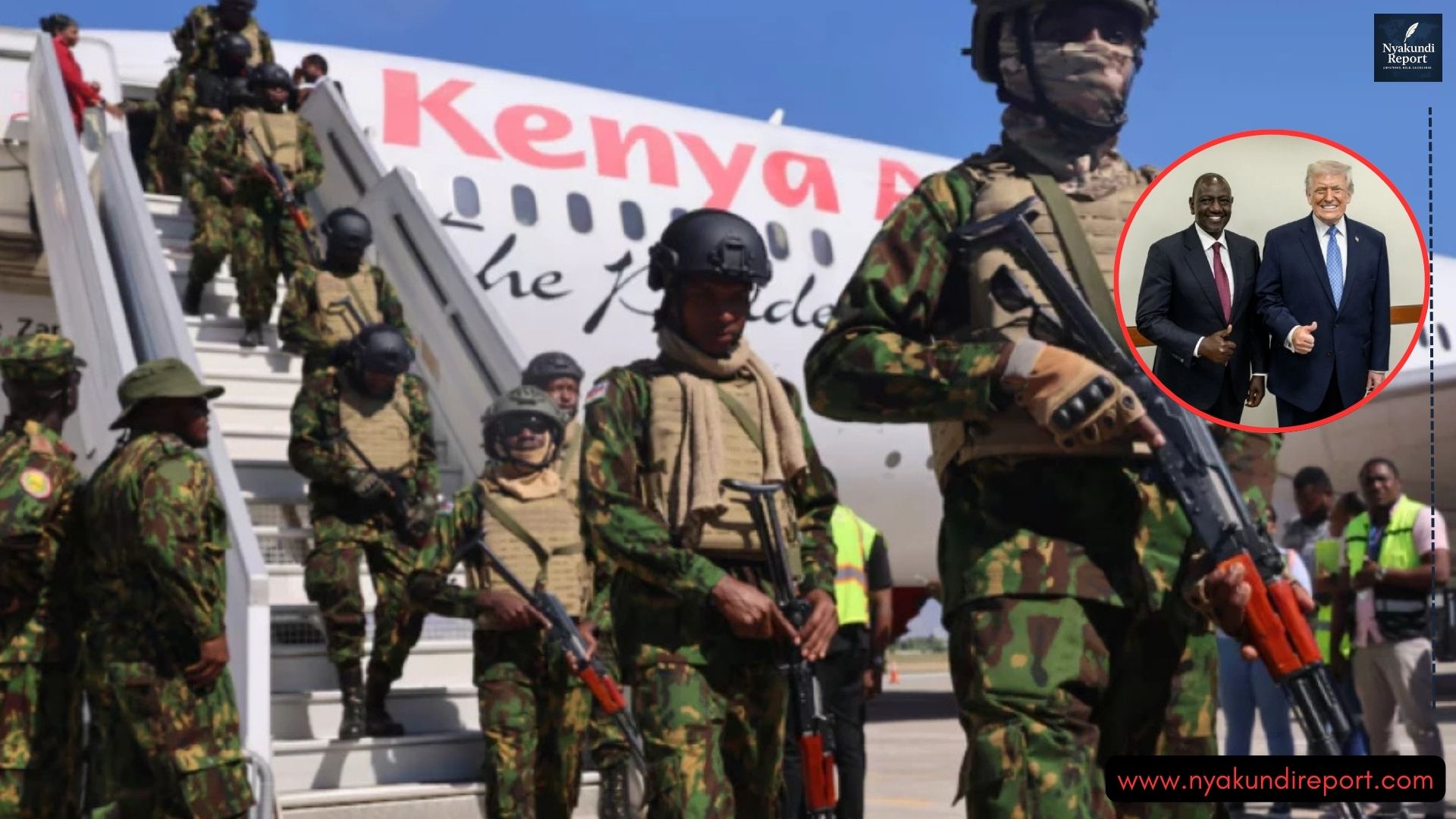
Kenya Sending More Officers to Haiti Deepens Debate on Ruto’s US Visit
Kenya sent a fifth contingent of specialised officers to Haiti on Monday, December 8, reinforcing the Gang Suppression Force (GSF) at a critical moment in the troubled nation’s transition. The group, made up of 230 elite police officers, landed at Toussaint Louverture International Airport in Port-au-Prince.
Deputy National Security Advisor Joseph Boinett led the team and delivered President Ruto’s message of solidarity to the Haitian people. He said Kenya would stand with Haiti until security stabilises and institutions rebuild.
Haiti’s Transitional Presidential Council President Laurent Saint-Cyr and other top officials received the officers. Their arrival came as another group of 100 Kenyan officers prepared to fly home after a one-and-a-half-year deployment marked by intense operations, difficult conditions, and constant danger.
Boinett praised the outgoing team for what he described as exemplary service, saying they carried Kenya’s flag with honour. He said the new officers had undergone rigorous training and were ready to enforce human rights standards and international law during operations.
GSF Commander Godfrey Otunge also welcomed the latest arrivals. He said they would reinforce earlier gains and accelerate efforts to dismantle Haiti’s criminal networks. For months, gangs have paralysed movement, attacked neighbourhoods, blocked key roads, and overwhelmed Haiti’s fragile police force.
The officers will operate in partnership with Haitian authorities, including the National Police and the military, in a campaign that aims to reclaim communities from gang control.
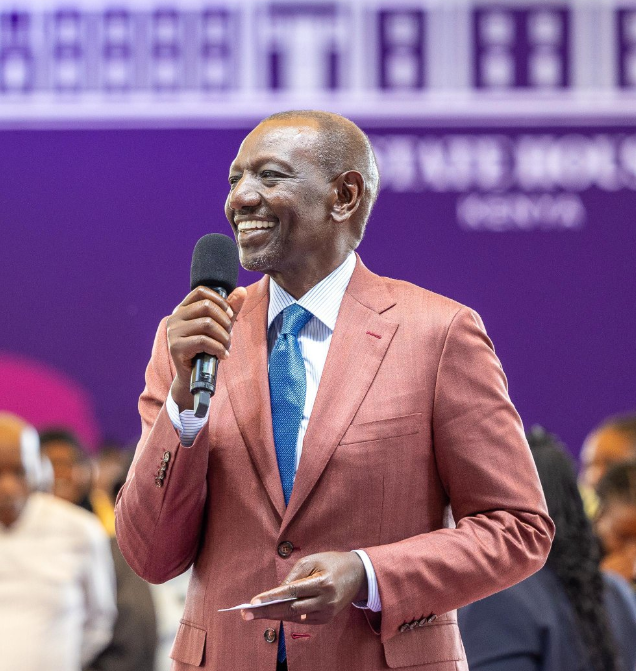
But the timing raises political heat in Nairobi. Ruto deployed the new troops less than a week after returning from the US, where he held high-level meetings and signed a healthcare cooperation agreement with President Trump.
During his trip, Ruto also attended the signing of the Rwanda-DRC peace treaty and restated Kenya’s commitment to the Haiti mission, thanking Trump’s administration for rallying support.
This back-to-back diplomacy has stirred public debate. Many Kenyans now wonder whether the US deal and the increased troop deployment are linked.
Questions Over Timing and National Priorities
The latest deployment has pushed Kenyans to question the government’s spending priorities. They ask why security support to a foreign nation appears to move faster than urgently needed reforms at home.
Doctors continue to decry shortages of equipment. County hospitals lack medicines. Health workers complain about delayed pay. The new healthcare deal with Trump has also raised questions since details remain unclear, yet troop movement to Haiti continues at full speed.
Critics argue that Ruto’s administration seems more eager to pursue global influence than fix long-standing domestic problems. They point to the Haiti mission’s heavy financial cost at a time when Kenyans face high taxes, rising debt, and reduced public spending.
Even within the security sector, families of deployed officers have raised concerns over welfare, insurance coverage, and compensation structures. The government insists all officers receive full support, but doubts linger.
Intensifying Haiti Mission Amid Rising Political Pressure
Despite the criticism, Ruto’s government remains firm. Officials insist Kenya has a moral responsibility to help restore stability in Haiti, a nation plagued by years of gang rule, state collapse, and political turmoil.
Boinett stressed that the new officers will help reinforce earlier gains, calling their arrival a boost to Haiti’s transitional effort. Otunge echoed the message, saying the GSF has already made progress in pushing gangs out of key zones.
Diplomatically, Ruto has positioned Kenya as the leader of the Haiti multinational mission, a role strengthened by Trump’s renewed support for global security partnerships.
But back home, the political pressure keeps rising. Opposition leaders say the deployment lacks transparency. Some legal experts argue that the mission remains controversial even after multiple court challenges. Civil society groups insist that Kenya must not rush foreign operations at the expense of pressing domestic needs.
For now, the officers are already on the ground. Their mission continues. Their presence signals that Kenya intends to deepen its role in Haiti despite mounting criticism and rising uncertainty.
As the situation unfolds, Kenyans will judge whether Ruto’s decision to accelerate the Haiti deployment was a bold diplomatic move—or a costly gamble made days after sealing a new partnership with the Trump administration.