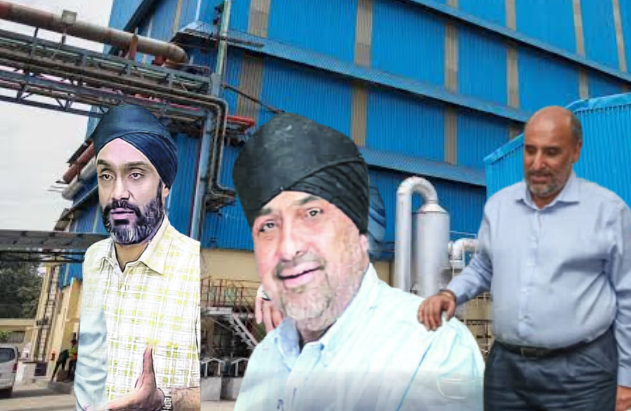
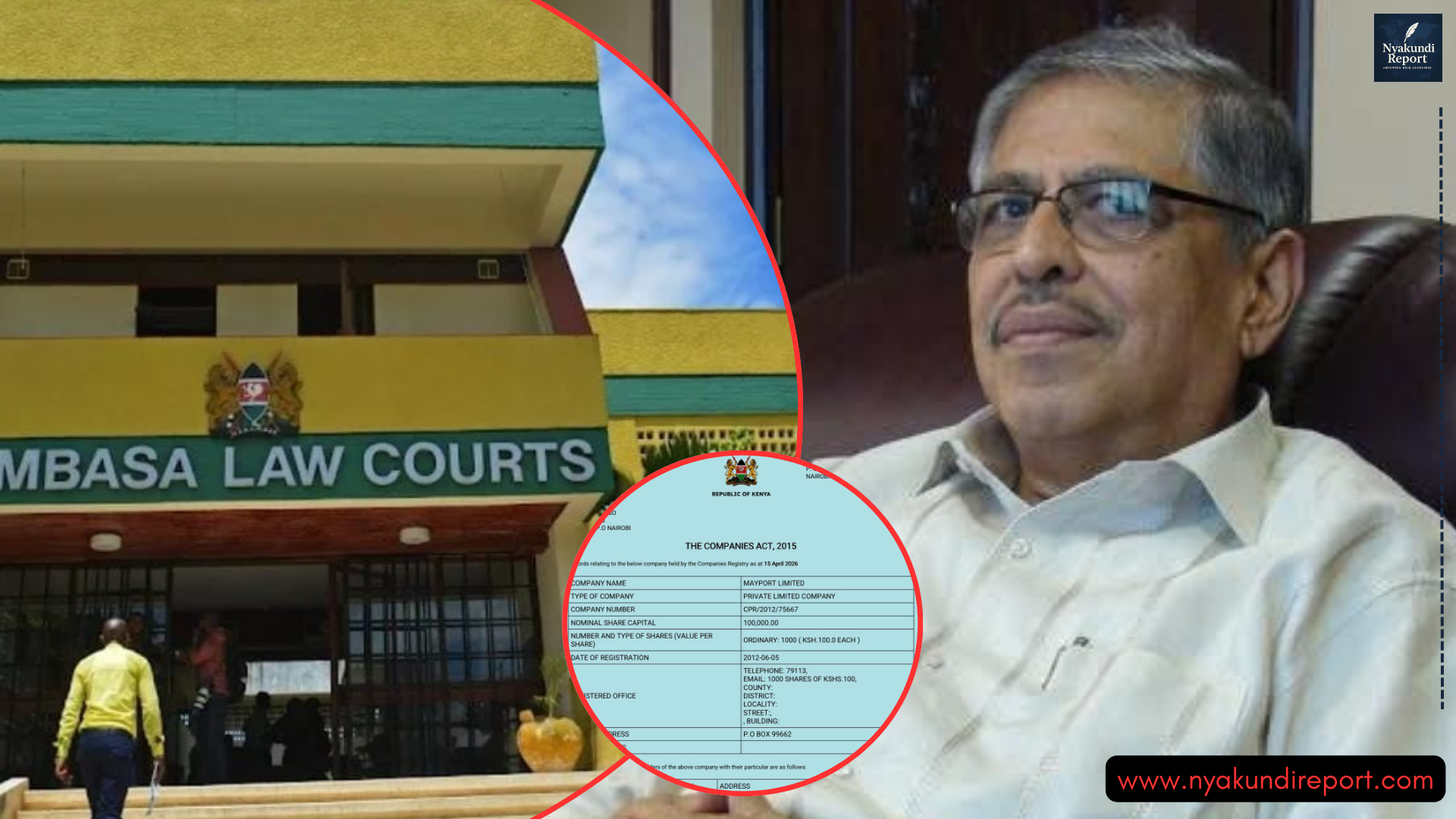




























Roofings Kenya Limited (RKL), a key subsidiary of the Roofings Group and a major player in the manufacture and supply of steel products, has announced plans to close all its operations, citing financial difficulties and rising operational costs.

The decision affects 250 employees across its facilities, leaving only top management to oversee the winding-down process, with the effective termination date set for 2nd January 2026.
The company, known for producing hot-dipped galvanized wire, Azed Aluzinc roofing sheets, and other construction materials, operates several facilities in Kenya.
The subsidiary has been a cornerstone of the Roofings Group’s regional presence, which has supplied steel and plastic construction materials across East Africa since its founding in 1994 by Dr. Sikander Lalani.
In an official notice titled “Notice of Intention to Declare Redundancy”, RKL informed affected employees of the company’s inability to sustain or maintain positions due to the high cost of operations.

The notice, issued on 1st December 2025, provides a 30-day period as mandated by Section 40 of Kenya’s Employment Act, 2007.
During this time, staff are expected to maintain professional conduct, with disciplinary measures possible for any breaches of company policies.
Those affected will be entitled to benefits under Kenyan labour law, including payment for accrued but unused annual leave, severance pay equivalent to fifteen days’ salary for each completed year of service, a certificate of service, and any other contractual or statutory entitlements.
Consultation sessions with workers and union representatives will be scheduled before the end of the notice period, with further details on dates, times, and venues to be communicated in due course.
Roofings Kenya Limited expressed gratitude for the dedication and service of its workforce, assuring that the redundancy process will be conducted in a lawful and transparent manner.
The shutdown represents a major disruption for a company that has been integral to Kenya’s construction materials sector, raising questions about the ripple effects on the workforce and the wider steel supply chain in the country.