












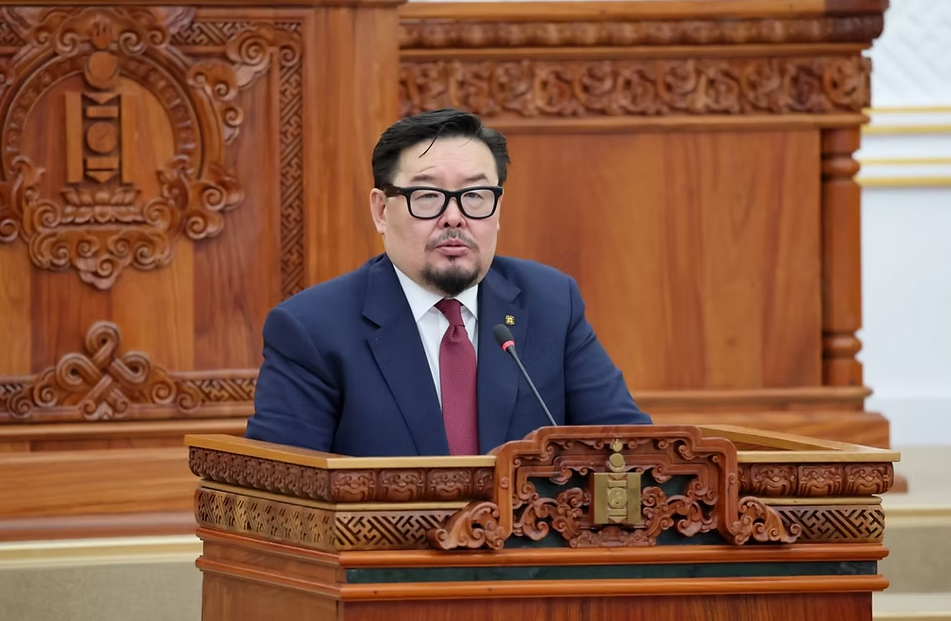
Kenyans are demanding answers over the New Kenya-US Health Deal worth Ksh 200 billion, yet Health Cabinet Secretary Aden Duale has brushed off their fears with open contempt. Many citizens worry that the agreement hands over sensitive health data to American agencies without clear safeguards.
Their concerns come during a troubling rise in HIV infections among teenagers and the government’s plan to introduce HIV vaccine injections for people already living with the virus next year at a fee. Instead of listening, Duale has chosen to insult public intelligence.
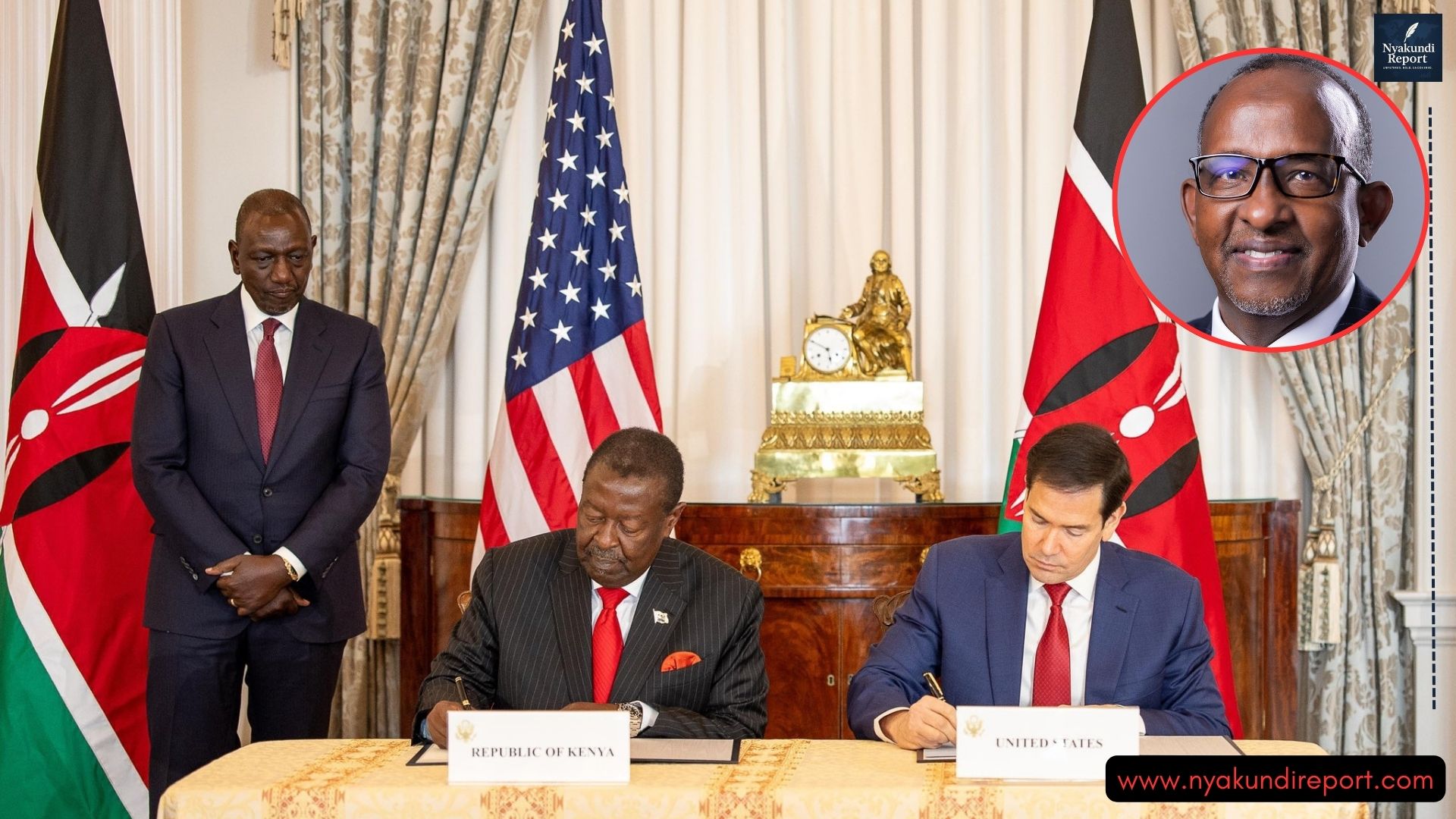
New Kenya-US Health Deal Raising Public Fears
The government has presented the New Kenya-US Health Deal as a major win, but Kenyans are questioning who truly benefits. The agreement includes data-sharing components, foreign oversight, and expanded partnerships that remain vaguely defined. While officials insist everything is above board, they have refused to publish the full contract, leaving citizens in the dark.
Duale has dismissed those seeking clarity, calling them misinformed. His attitude has only deepened public anger. Kenyans want transparency. They want to know why their health records matter to foreign institutions. They want an explanation that the government has not provided.
At the same time, the country is confronting worrying HIV trends. Reports show an increase in infections among teenagers. Many parents and activists are calling for more prevention efforts, more youth-friendly services, and more investment in community health. Instead, they are being told to accept a secretive deal and keep quiet.
The situation has grown more tense after the government announced a plan to start charging people living with HIV for vaccine injections next year. This announcement shocked many citizens who expected free care under national health commitments. It also raised fears that the new Kenya-US health deal may open the door for expensive programmes controlled by foreign interests.
Who Holds Power in the New Kenya-US Health Deal
Kenyans want to understand who actually controls this massive agreement. Is it the US government, big pharmaceutical companies, or private American contractors tied to global health programmes? Officials have avoided clear answers.
What is known is that most large health deals involve global drug manufacturers, research groups, and foreign agencies that monitor how money is used. Their involvement does not always benefit local communities. Without full disclosure, Kenyans are left to wonder whether the agreement is designed to improve national health or to protect the financial interests of foreign partners.
Citizens are asking for a public breakdown showing every partner, every funding line, and every data-sharing requirement. Transparency is the only cure for suspicion.
Concerns Over Access to Kenya’s Health Data
One of the biggest fears is foreign access to Kenyan health records. Officials claim this access helps donors monitor spending and ensure accountability. But Kenyans worry that their personal information may be used for purposes beyond financial oversight.
There are questions about data security, patient privacy, and long-term control of medical systems. Without strong protections, Kenya risks losing ownership over its own health information. Duale’s insults do nothing to reduce these fears.
Kenyans want assurance that their data will not be mined, sold, or used for foreign research without consent. Public trust depends on respect, not ridicule.
Worries Over Possible Exploitation of Kenyan Patients
Some citizens fear that the New Kenya-US Health Deal could allow foreign entities to use Kenyan patients for studies without proper transparency. Kenya has a long history of being a testing ground for global health research. Many still remember previous scandals where communities were included in studies without full information.
Today, with the government preparing to introduce HIV vaccines for people already infected, at a fee, many citizens want guarantees. They want to know that these vaccines have gone through proper ethical review, that they will remain affordable, and that no one will be forced into unsafe programmes.
Instead of explaining, the government has brushed off criticism, leaving people more anxious. Simple openness would calm the situation. Silence only feeds doubt.
Final Thought
The New Kenya-US Health Deal is too large, too sensitive, and too consequential to be pushed through without public scrutiny. Kenyans have a right to question the motives behind it, the structure of the agreement, and the risks to their data and health rights.
Duale’s attempt to shame citizens for demanding answers is reckless. Transparency, accountability, and respect are essential in a democracy. Until the full details come out, the fears will grow.