































The global tech landscape is undergoing a seismic shift, as Chinese smart glasses manufacturers are moving aggressively to challenge established players.
And dominate the emerging market for AI-powered eyewear.
Companies like Rokid, XREAL, Xiaomi, and Alibaba are rapidly expanding their operations and seeking to sell to customers worldwide.
This is thanks to a strong home market, improvements in artificial intelligence, and a very efficient supply chain.
The race is on to define the next mass-market computing terminal after the smartphone, and China is positioning itself at the forefront of this revolution.

The AI Edge and the Home Advantage
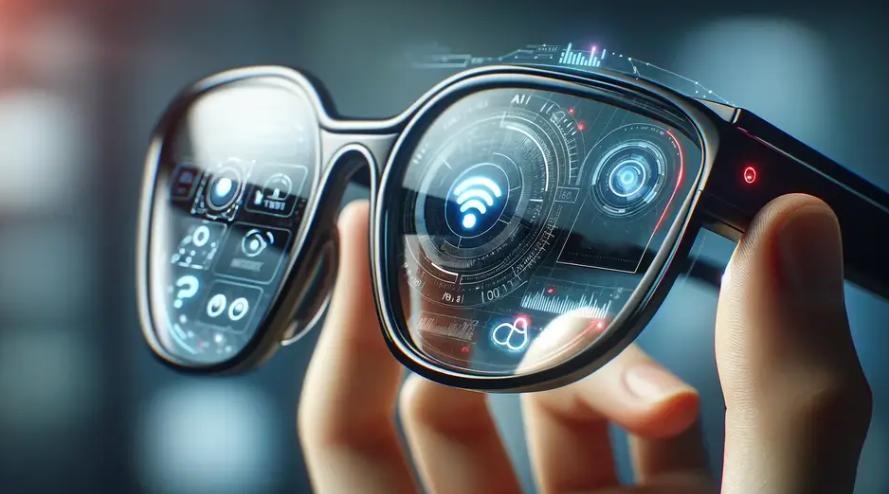
The recent surge in smart glasses adoption is intrinsically linked to the maturity of artificial intelligence (AI) and large language models (LLMs).
But Chinese firms have quickly integrated domestic AI capabilities into their hardware.
Therefore, it offers real-time translation, object recognition, voice interaction, and hands-free computing.
Firms like Rokid and Baidu (with its Xiaodu AI Glasses Pro) are iterating at a rapid pace.
Also, launching models that prioritize everyday use, such as the lightweight, fashionable designs from INMO.
Crucially, the highly digitized Chinese market provides an ideal environment for testing and refining products.
The sheer scale of domestic sales, projected to exceed 2.75 million units in 2025, and the ingrained use of digital payments and online services give local firms a crucial head start.
The compound annual growth rate for smart glasses shipments in China is estimated to reach 55.6% between 2024 and 2029, taking the top spot globally.
This massive market testbed allows them to perfect their technology before challenging global giants.
Strategies for Global Conquest
While US giant Meta (with its Ray-Ban Meta Smart Glasses) currently commands a significant global market share, Chinese players are employing clever strategies to bridge the gap and capture international attention:
Crowdfunding Success: Startups like INMO and Rokid have used international crowdfunding platforms like Kickstarter to gain early overseas traction and funding, proving technical readiness and global demand.
Open Ecosystem: Companies like Rokid are adopting a platform-agnostic approach, openly integrating with multiple leading AI models—including OpenAI, Llama, Gemini, and Grok—unlike competitors that may limit app offerings. This flexibility appeals to a broader international user base.
Fashion and Design Partnerships: Acknowledging that appearance is a major hurdle for mass adoption, firms are partnering with established eyewear brands. Rokid’s collaboration with BOLON (part of EssilorLuxottica, Ray-Ban’s parent company) focuses on discreet, stylish, and lightweight designs to move beyond the tech enthusiast niche.
Challenges on the International Battlefield
The path to overseas dominance is not without significant obstacles.
Chinese firms must navigate several critical challenges to achieve widespread global adoption:
Technological Gaps
Overseas competitors often hold an advantage in core “hard tech” areas, such as advanced full-color displays and optical systems.
Although the gap in AI models is narrowing, an “obvious gap” in core chip technology remains a point of dependence.
Privacy and Regulatory Hurdles
The discreet recording and constant data collection capabilities of smart glasses raise substantial privacy concerns globally.
Chinese manufacturers need to build robust data governance and user trust to meet stringent international regulations, particularly in Western markets.
User Experience and Offline Channels
The user experience across the industry remains inconsistent.
Also, smart glasses need a prescription, fitting, and a trial before you buy them, so a strong offline retail network is important for building customer trust and getting into the mass market.
Additionally, this is something that foreign companies often have.
Despite these hurdles, the drive is clear.
As the appeal of AI glasses moves from novelty to everyday utility, Chinese firms are poised to become a dominant force.
Therefore, transforming the smartphone accessory into the next essential device.