Edit history

Ruto’s Past Attacks on Raila Cannot Simply Be Erased as “Just Politics”

0 public corrections · 1 prior version

Correction history

Public correction ledger

0 public corrections

No public corrections have been filed for this post.

Current

Ruto’s Past Attacks on Raila Cannot Simply Be Erased as “Just Politics”

The changing relationship between President William Ruto and the late former Prime Minister Raila Odinga has once again drawn scrutiny, with blogger and political commentator Cyprian Nyakundi arguing that the warmth seen between the two leaders in their later years should not be used to erase the history of their political battles.

Nyakundi’s argument centres on the sharp contrast between the language and politics that defined the relationship for years and the cooperation that eventually emerged between the two. Ruto and Raila were not always allies. Their political paths crossed repeatedly, sometimes as partners and at other times as fierce opponents, before circumstances eventually brought them back to the same side of government.
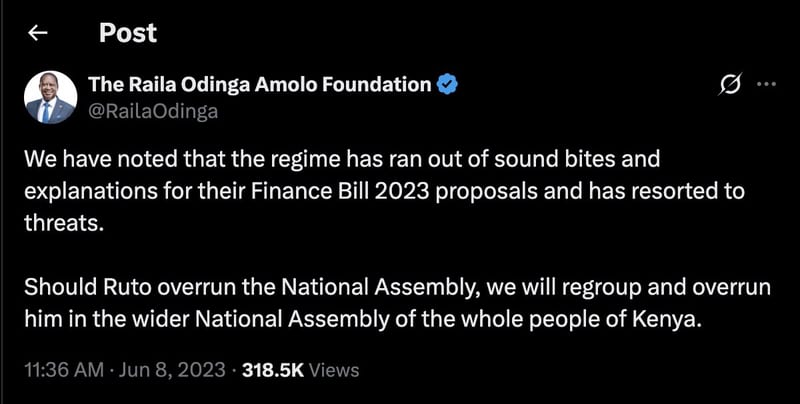
The Past Post made by the Late Raila Odinga

Their political history is, in fact, more complicated than a simple story of permanent rivalry. Ruto and Raila worked together in the ODM Pentagon ahead of the 2007 General Election, when Ruto was among Raila's key political allies. They later went their separate ways, with Ruto eventually becoming one of Raila's strongest political opponents.

The relationship became particularly hostile during the period leading to the 2022 General Election. Ruto, then Deputy President, frequently attacked Raila politically, while Raila and his allies responded in kind.

In 2019, for example, Ruto publicly accused Raila of political deceit and linked him to a history of political violence while demanding that he renounce violence and accept electoral defeat.
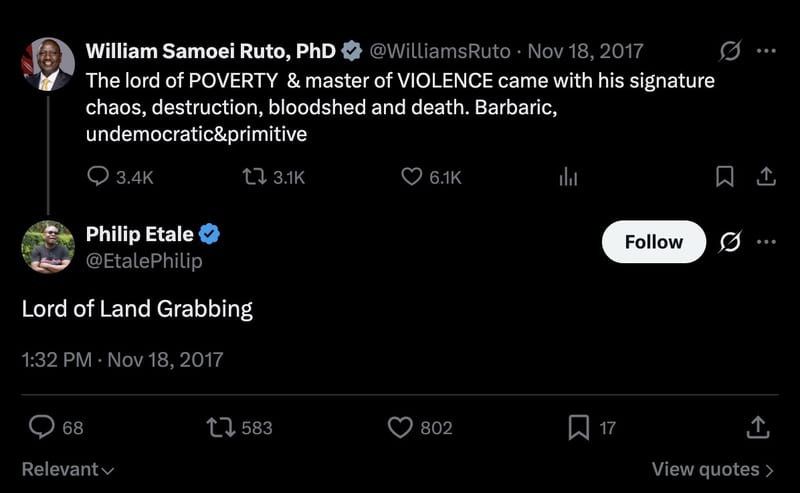
Ruto's post on Raila Odinga

That history makes the eventual rapprochement between the two politicians particularly significant. After the 2022 election, which Ruto won and Raila challenged unsuccessfully at the Supreme Court, the two sides began moving towards cooperation. Ruto has since said that he reached out to Raila shortly after the election because he wanted to reduce political divisions and bring the country together.

In March 2025, Ruto and Raila formally announced a joint framework for cooperation between Kenya Kwanza and ODM. The two leaders described their agreement as an effort to confront Kenya's socioeconomic and political challenges and called for the country to move beyond their previous rivalries.

The partnership eventually developed into the broad based government, with senior ODM figures taking positions in Ruto's administration. Raila also received Ruto's public backing for his bid to become African Union Commission chairperson. The political arrangement represented a dramatic reversal from the years when the two camps regularly traded accusations and mobilised against each other.
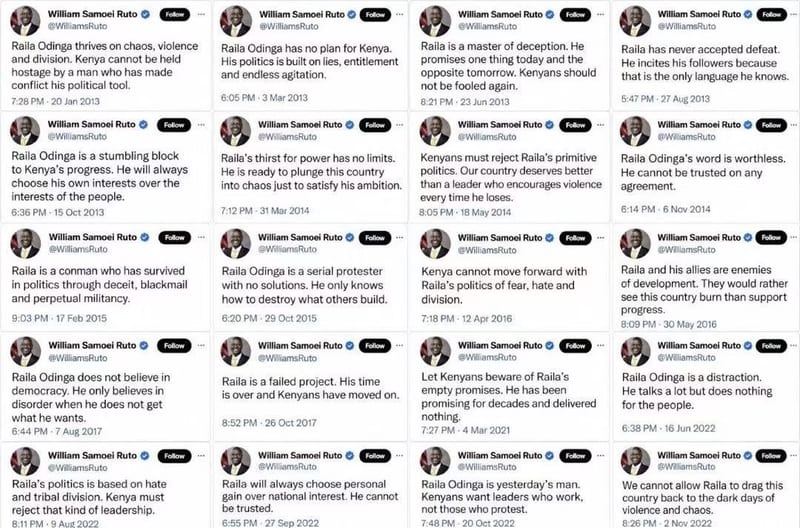
A compilation of Ruto's attacks on Raila

Nyakundi's point, however, is that changing political alliances do not automatically change the historical record. He argues that Kenyans can acknowledge the later cooperation between Ruto and Raila without pretending that the earlier hostility never happened.

His comments also come at a time when Raila's political legacy is being discussed following his death. Ruto and Raila's allies have continued to invoke the former Prime Minister's political philosophy and his decision to work with the government.

In September 2026, Treasury Cabinet Secretary John Mbadi said Raila had instructed him to support Ruto in delivering his development agenda and that discussions had been held around ODM and UDA working together in the 2027 election.

Ruto has similarly continued to invoke the agreement he reached with Raila, telling residents in Homa Bay that they should remain on the political path that he said they had agreed on with the late former Prime Minister.
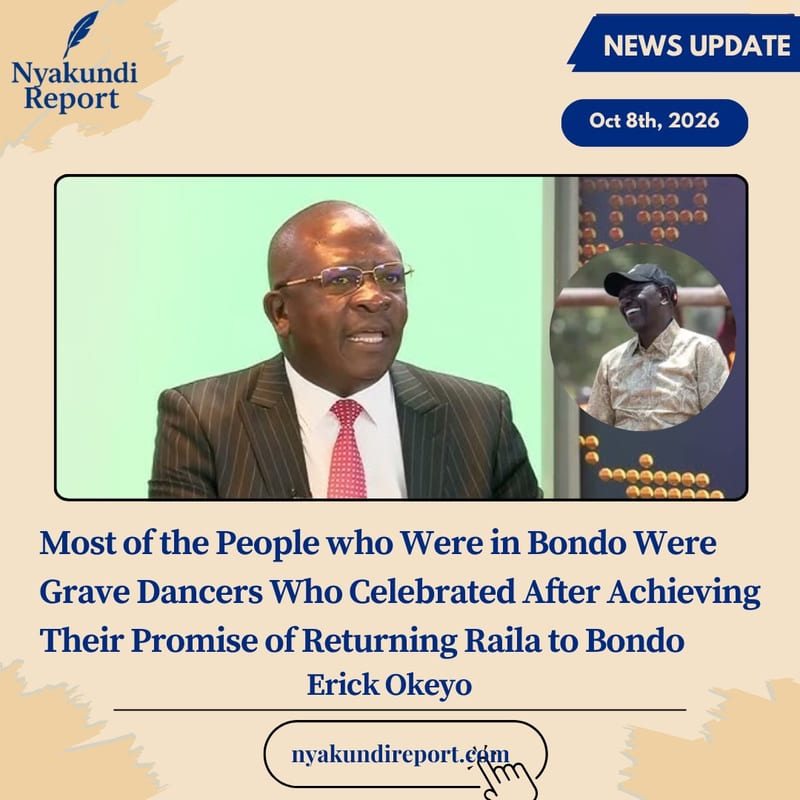
Analyst Erick Okeyo on why Raila Is being disrespected even in death

But Nyakundi says such political cooperation should not lead to a rewriting of the past. In his view, the fact that politicians eventually work together does not mean the attacks, accusations and political battles that preceded the partnership were merely harmless exchanges.

He argues that political survival and changing circumstances have historically forced Kenyan leaders to cross old political battle lines. Uhuru Kenyatta and Ruto are examples of politicians who once stood together, later became bitter opponents and eventually found themselves on the same side of the political divide again. The same pattern applied to Ruto and Raila, who moved from ODM allies to fierce competitors before eventually becoming partners in government.

Nyakundi therefore questions what he sees as an attempt to present the later Ruto-Raila relationship as evidence that there was always mutual affection between the two politicians. His argument is that political cooperation can be genuine while still being driven by circumstances, interests and the need to protect political influence.

His full comment reads:

We all know there are no permanent enemies in politics, but people should stop pretending that everything between Ruto and Raila was just harmless politics.

Ruto went after Raila personally for years, mocked him, blamed him for political problems and treated him as the enemy of the moment.

The people around him will not say this now because how do you speak clearly when your mouth is full?

So keep the “it was just politics” bullshit. Politics does not erase history, and whatever Ruto is launching, naming or associating with Raila today should still be read through his own political survival and interests.

Uhuru used Mzee when it suited him, Ruto fought him when it suited him and later worked with him when circumstances changed. Everybody needed Raila at some point, but let us not manufacture love where there is no love found, no love lost.

Ruto's attacks to Raila were too personal and showed deep hatred, that was not just 'politics'

Last updated 3h

  1. Prior version 3h

    Ruto’s Past Attacks on Raila Cannot Simply Be Erased as “Just Politics”

    The changing relationship between President William Ruto and the late former Prime Minister Raila Odinga has once again drawn scrutiny, with blogger and political commentator Cyprian Nyakundi arguing that the warmth seen between the two leaders in their later years should not be used to erase the history of their political battles.

    Nyakundi’s argument centres on the sharp contrast between the language and politics that defined the relationship for years and the cooperation that eventually emerged between the two. Ruto and Raila were not always allies. Their political paths crossed repeatedly, sometimes as partners and at other times as fierce opponents, before circumstances eventually brought them back to the same side of government.

    The Past Post made by the Late Raila Odinga
    The Past Post made by the Late Raila Odinga

    Their political history is, in fact, more complicated than a simple story of permanent rivalry. Ruto and Raila worked together in the ODM Pentagon ahead of the 2007 General Election, when Ruto was among Raila's key political allies. They later went their separate ways, with Ruto eventually becoming one of Raila's strongest political opponents.

    The relationship became particularly hostile during the period leading to the 2022 General Election. Ruto, then Deputy President, frequently attacked Raila politically, while Raila and his allies responded in kind.

    In 2019, for example, Ruto publicly accused Raila of political deceit and linked him to a history of political violence while demanding that he renounce violence and accept electoral defeat.

    Ruto's post on Raila Odinga
    Ruto's post on Raila Odinga

    That history makes the eventual rapprochement between the two politicians particularly significant. After the 2022 election, which Ruto won and Raila challenged unsuccessfully at the Supreme Court, the two sides began moving towards cooperation. Ruto has since said that he reached out to Raila shortly after the election because he wanted to reduce political divisions and bring the country together.

    In March 2025, Ruto and Raila formally announced a joint framework for cooperation between Kenya Kwanza and ODM. The two leaders described their agreement as an effort to confront Kenya's socioeconomic and political challenges and called for the country to move beyond their previous rivalries.

    The partnership eventually developed into the broad based government, with senior ODM figures taking positions in Ruto's administration. Raila also received Ruto's public backing for his bid to become African Union Commission chairperson. The political arrangement represented a dramatic reversal from the years when the two camps regularly traded accusations and mobilised against each other.

    A compilation of Ruto's attacks on Raila
    A compilation of Ruto's attacks on Raila

    Nyakundi's point, however, is that changing political alliances do not automatically change the historical record. He argues that Kenyans can acknowledge the later cooperation between Ruto and Raila without pretending that the earlier hostility never happened.

    His comments also come at a time when Raila's political legacy is being discussed following his death. Ruto and Raila's allies have continued to invoke the former Prime Minister's political philosophy and his decision to work with the government.

    In September 2026, Treasury Cabinet Secretary John Mbadi said Raila had instructed him to support Ruto in delivering his development agenda and that discussions had been held around ODM and UDA working together in the 2027 election.

    Ruto has similarly continued to invoke the agreement he reached with Raila, telling residents in Homa Bay that they should remain on the political path that he said they had agreed on with the late former Prime Minister.

    Analyst Erick Okeyo on why Raila Is being disrespected even in death
    Analyst Erick Okeyo on why Raila Is being disrespected even in death

    But Nyakundi says such political cooperation should not lead to a rewriting of the past. In his view, the fact that politicians eventually work together does not mean the attacks, accusations and political battles that preceded the partnership were merely harmless exchanges.

    He argues that political survival and changing circumstances have historically forced Kenyan leaders to cross old political battle lines. Uhuru Kenyatta and Ruto are examples of politicians who once stood together, later became bitter opponents and eventually found themselves on the same side of the political divide again. The same pattern applied to Ruto and Raila, who moved from ODM allies to fierce competitors before eventually becoming partners in government.

    Nyakundi therefore questions what he sees as an attempt to present the later Ruto-Raila relationship as evidence that there was always mutual affection between the two politicians. His argument is that political cooperation can be genuine while still being driven by circumstances, interests and the need to protect political influence.

    His full comment reads:

    We all know there are no permanent enemies in politics, but people should stop pretending that everything between Ruto and Raila was just harmless politics. Ruto went after Raila personally for years, mocked him, blamed him for political problems and treated him as the enemy of the moment. The people around him will not say this now because how do you speak clearly when your mouth is full? So keep the “it was just politics” bullshit. Politics does not erase history, and whatever Ruto is launching, naming or associating with Raila today should still be read through his own political survival and interests. Uhuru used Mzee when it suited him, Ruto fought him when it suited him and later worked with him when circumstances changed. Everybody needed Raila at some point, but let us not manufacture love where there is no love found, no love lost. Ruto's attacks to Raila were too personal and showed deep hatred, that was not just 'politics'