

Safaricom’s top leadership, led by CEO Peter Ndegwa and board chairman Adil Khawaja, needs to explain why a company that has become synonymous with billions in transactions, shareholding battles and expansion plans is struggling to inspire the same confidence in the basic services its customers pay for every day.
Safaricom has become more obsessed with billions, shareholding, valuations, expansion and corporate deals than the millions of customers whose money built the business.
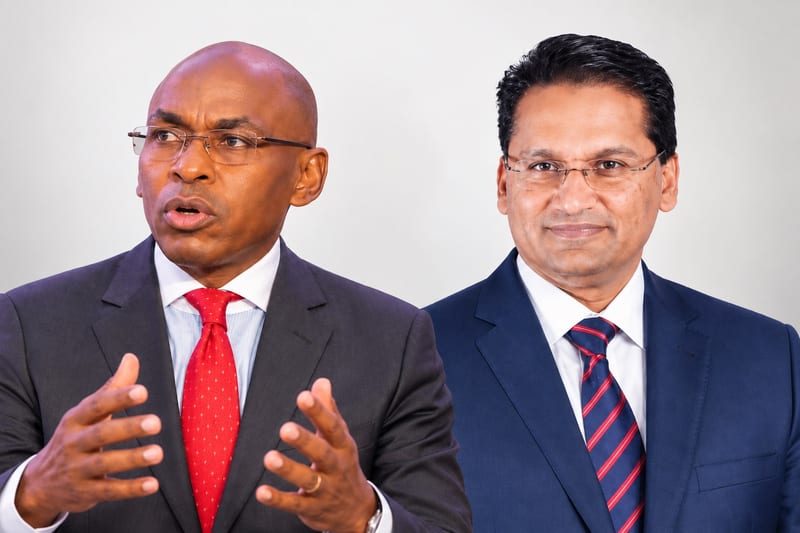
While the boardroom remains occupied with valuations, deals and shareholder value, millions of Kenyans are dealing with dropped calls, frustrating data speeds and customer care problems.
For Dilip Pal, Chief Financial Officer and Alternate Director to the CEO at Safaricom and the rest of the senior leadership, the question is no longer simply how much Safaricom can grow, but whether the company is paying enough attention to the customers who made that growth possible.
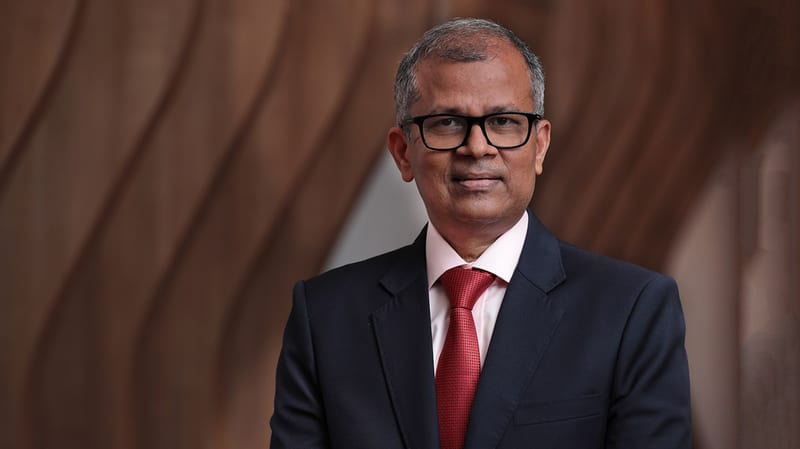
Safaricom customers want a network that works, affordable data and customer care that actually responds when things go wrong.
Here is what the Chief Editor of Nyakundi Report, Cyprian Nyakundi had to say about the collapsing business and core model of Safaricom
Safaricom increasingly looks like a company whose top management spends far too much time discussing shareholding, valuations, deals, expansion plans and corporate transactions, yet the ordinary customer still struggles with poor network quality, expensive data, dropped calls and customer care that can feel impossible to reach when something goes wrong.
The attempted sale of another government stake in Safaricom captured this problem perfectly, since so much public attention was placed on who would own what percentage of the company, how much the shares were worth and who would control the bigger stake, yet very little excitement seems to exist around fixing the basic services customers actually pay for every single day.
Peter Ndegwa and board chairman Adil Khawaja now look far too transactional in the way Safaricom is being run, with the company appearing increasingly obsessed with deals, shareholder value, expansion and financial targets at a time when many customers are complaining that the everyday Safaricom experience is becoming worse rather than better.
Safaricom can produce all the presentations it wants about becoming a major technology company, but customers do not buy PowerPoint slides, corporate speeches or shareholder stories, since they buy airtime, data, calls, M-Pesa services and a network they expect to work properly whenever they need it.
The joke now writes itself, since Safaricom seems to have become a company where everyone upstairs is discussing billions, percentages, ownership and expansion plans, yet the customer downstairs is still switching airplane mode on and off hoping the internet returns before the bundle expires.
Management needs to remember that Safaricom became powerful because millions of Kenyans trusted the service and used it every day, and once those customers begin feeling that management cares more about transactions than service delivery, the famous green brand starts losing the one thing no balance sheet can easily repair, which is public trust.