
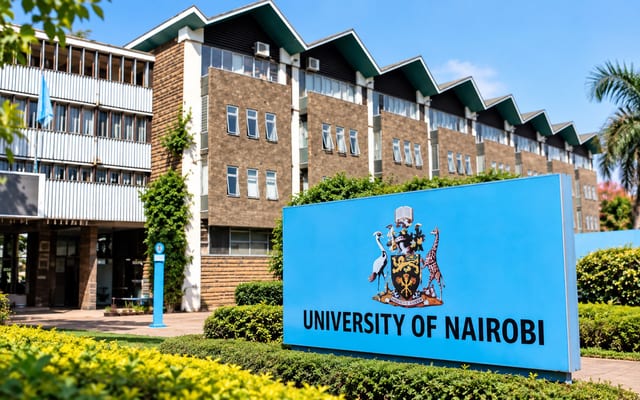
Students at the University of Nairobi are protesting a sudden increase in university fees after reporting back for the new academic year, with students saying they returned to campus expecting to pay about KSh145,000, only to discover that the amount had been raised to KSh188,800 barely a week after they reported back.
The students say the timing of the increase has left many of them and their parents struggling to adjust financially because they had spent the three month long holiday preparing to return under the fee structure they already knew, only to discover the new amount through a notice posted on the university noticeboard.
According to the students, there was no prior communication to them during the long holiday informing them that the amount they would be required to pay had changed, meaning parents who had already planned their finances around the previous figure were suddenly confronted with an additional KSh43,800.
The students say the situation is even more difficult for those taking Engineering courses, where they are facing an increase of KSh50,000, adding a substantial burden to families already struggling to meet the cost of university education.
The timing has particularly angered students because the University of Nairobi had officially communicated that the 2026/2027 academic year would commence on 24 August 2026, giving students and their families time to prepare for the new academic year.
The University of Nairobi has hiked school fees from KSh 145,000 to KSh 188,800, barely a week after students reported back.
Students were at home for three months during the long holiday, yet the university never communicated the fee increase. Students reported back expecting to pay KSh 145,000, only to be hit with a sudden hike without notice, we found out at the noticeboard, Engineering students are facing an even steeper increase of about KSh 50,000.
This is happening despite the government directive to reduce university fees effective September 1, 2025. Instead of engaging students and their leadership, the administration is refusing to have meaningful conversations while threatening students with suspension and expulsion for raising concerns about fees.
Students are frustrated, parents are being pushed into deeper financial strain, and the administration cannot continue making unilateral decisions and silencing those affected.
UoN must stop the fee hike, engage students and reverse these unjustified increases.
Students now want the university administration to explain why the fees were increased after they had already made plans based on the previous figure and why they were not directly informed about the changes before returning to campus.
The students are also questioning the increase in light of the government's earlier push to make university education more affordable, saying the latest charges are coming at a time when many families are already under serious financial pressure.
This comes as the government continues to rely on student financing through scholarships and loans to help families meet the cost of higher education. In August 2025, the Ministry of Education said HELB had disbursed KSh9.46 billion in tuition and upkeep support to more than 309,000 university students and said government funding was intended to ensure that no student was left behind because of financial limitations.
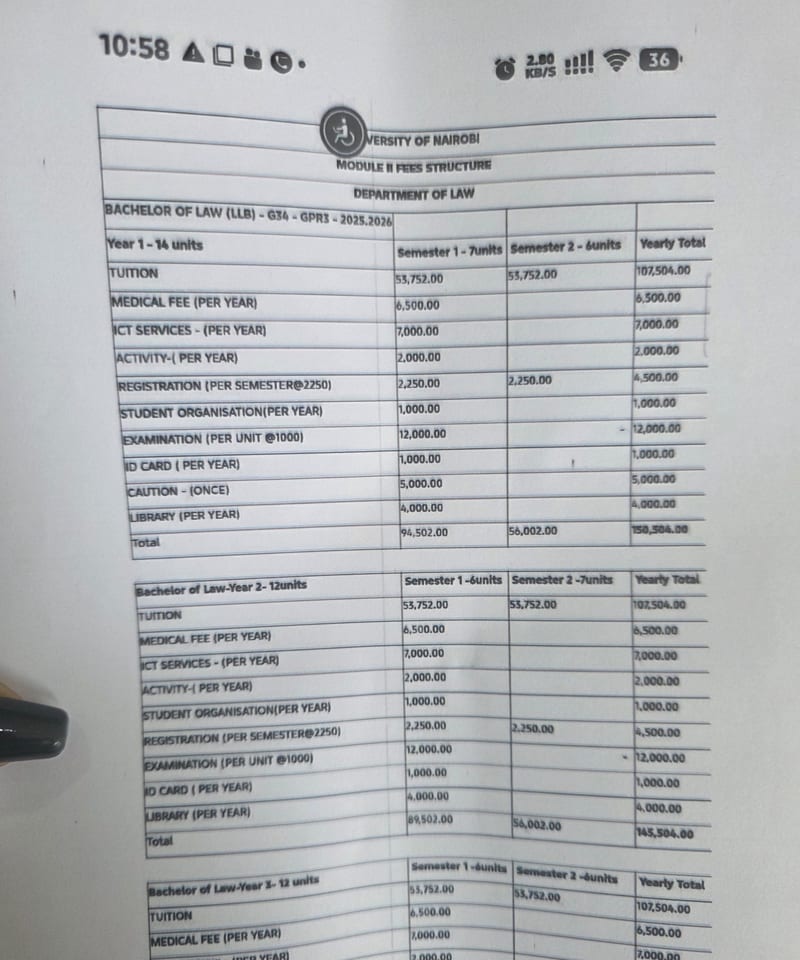
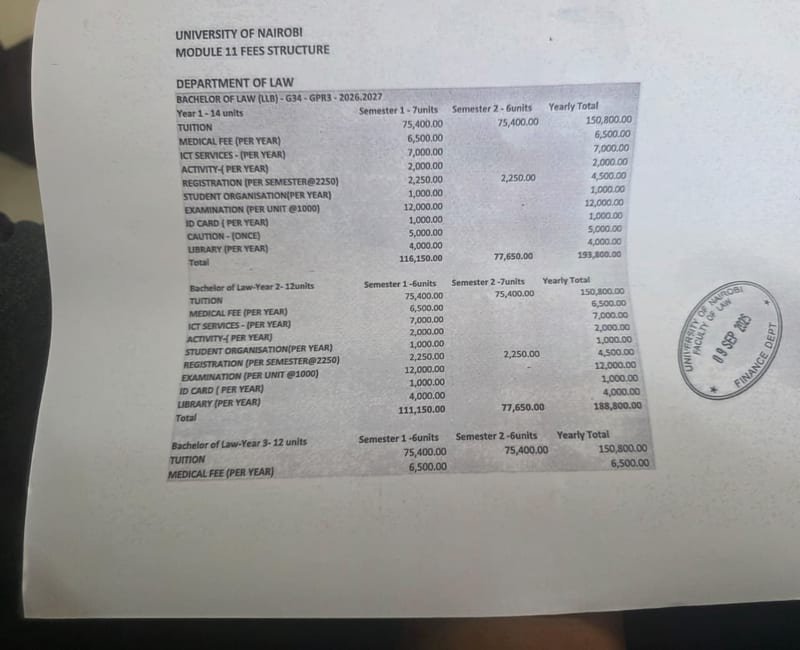
The manner in which the increase was communicated has made the situation worse, particularly because students were already at home for months and had no communication that they would return to a substantially different fee bill.
This also comes at a time when UoN students are already dealing with the broader challenge of financing university education.
Recent reporting quoted a University of Nairobi Students Association official discussing the difficulty students face in meeting the actual cost of university life, including food, transport, accommodation, printing and academic work, under the existing higher education financing arrangements.
The latest fee increase therefore places another financial demand on families at the point when students are beginning a new academic year, with parents now being asked to find tens of thousands of shillings more than they had expected.
The attempts to raise the matter with the university administration have not resulted in meaningful engagement, with student leaders and affected students calling for discussions over the new charges instead of being threatened with suspension or expulsion for questioning the increase.