
Current
The Mudavadi ultimatum: Three banks, 24 hours and the full force of the state machinery
A private dispute involving First Assurance Investment Company Limited has moved into the criminal courts after three major banks rejected demands to refund Sh363 million allegedly withdrawn from accounts controlled by the company’s directors.
Prime Cabinet Secretary Musalia Mudavadi, Lamu Governor Issa Timamy and representatives handling their interests repeatedly approached NCBA Bank, KCB Bank and Co-operative Bank seeking payment of the disputed amount.
The discussions reportedly reached a final stage where the banks were given twenty four hours to commit themselves to paying the money or face action through state investigative and prosecution agencies.
The chief executives declined the proposed out of court arrangement, leaving Mudavadi, Timamy and the other First Assurance Investment shareholders to pursue the dispute through civil or criminal proceedings.
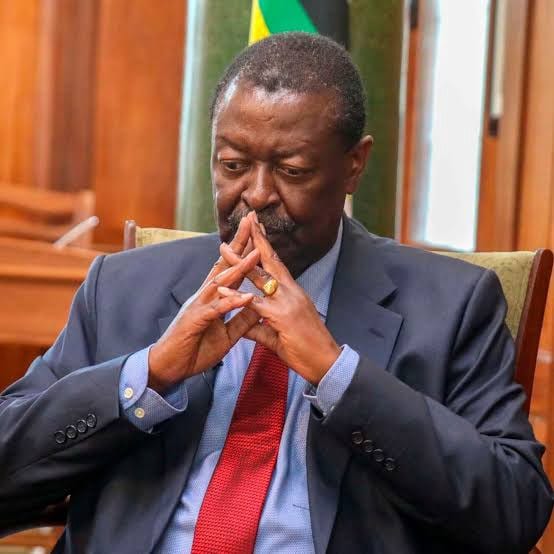
The criminal case followed, with the Director of Public Prosecutions charging the chief executives of NCBA, KCB and Co-operative Bank with failing to report suspicions concerning possible proceeds of crime.
The timing has placed the failed settlement talks and the later prosecution inside the same dispute, which began with money allegedly taken by a director of Mudavadi’s private investment company.
None of the three chief executives has been accused of stealing the Sh363 million, forging company cheques, receiving the disputed funds or personally processing the withdrawals listed by prosecutors.
The theft and forgery accusations have instead been directed at a former nominated Member of the County Assembly who served as a First Assurance Investment director alongside Timamy.
Prosecutors say the former MCA stole Sh363,420,459 between May 18, 2018 and April 30, 2024 through company accounts held at NCBA, KCB and Co-operative Bank.
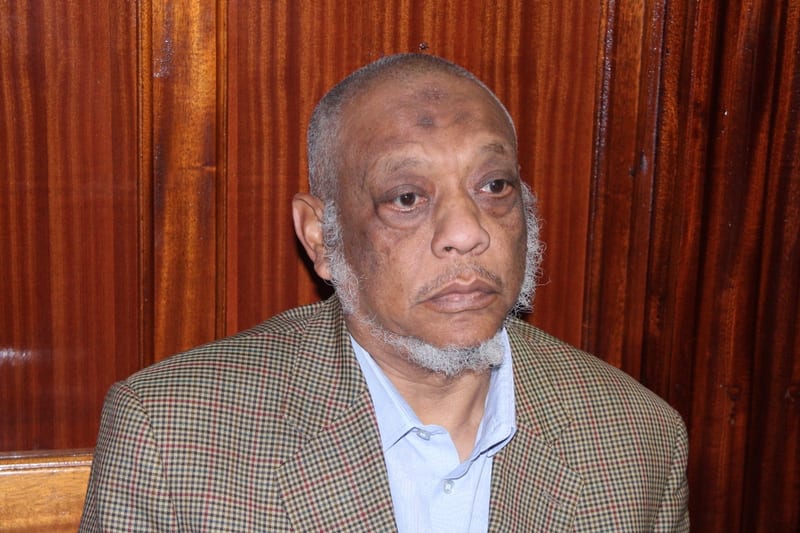
The prosecution claims he used cheques carrying Timamy’s forged signature, presenting the transactions as properly approved company withdrawals before acquiring money described as proceeds of crime.
He faces 120 charges comprising three counts of conspiracy to defraud, two counts of stealing, 114 counts of making documents without authority and one count of acquiring proceeds of crime.
The former MCA denied the charges before Chief Magistrate Gethi Kibiru and was released on a Sh10 million bond with one surety of the same amount, or Sh3 million cash bail.
The case concerns First Assurance Investment Company Limited, a private investment vehicle linked to Mudavadi and other shareholders, rather than the operating insurance company currently controlled by Absa Group.
Mudavadi publicly declared a net worth of approximately Sh4.1 billion during his parliamentary vetting in 2022, placing First Assurance and Absa investments among the biggest parts of his fortune.
His declared assets included Riverside Stables valued at Sh1 billion, rental office buildings worth Sh870 million through Tritone Investments and Sh200 million invested in Exclusive Air Services.
He further declared Sh120 million through Jodeci Investments, Sh250 million through Malulu Land and Developments, high end vehicles worth Sh44 million and several other property and financial interests.
Mudavadi valued his First Assurance interests at Sh440 million, comprising Sh255 million held through First Assurance Investment and another Sh185 million held through Syndicate Nominees.
He further disclosed Absa Bank investments valued at Sh545 million, held through the same investment vehicles that had previously controlled shares in the First Assurance insurance business.
First Assurance Investment was therefore part of the structure holding nearly Sh1 billion in First Assurance and Absa interests linked to Mudavadi’s declared private wealth.
Mudavadi and other investors previously held First Assurance through First Assurance Investment and Syndicate Nominees before Barclays Africa purchased a 63.3 percent controlling stake during 2015.
First Assurance later became part of Absa Group after the Barclays Africa name change, leaving the original investment vehicles as separate companies holding interests belonging to their shareholders.
The Sh363 million dispute arose inside one of those vehicles, where prosecutors say a serving director used his position and access to company accounts over a period lasting almost six years.
During the reported negotiations, Mudavadi, Timamy and their representatives maintained that the banks had processed cheques containing forged signatures and should refund the money removed from the accounts.
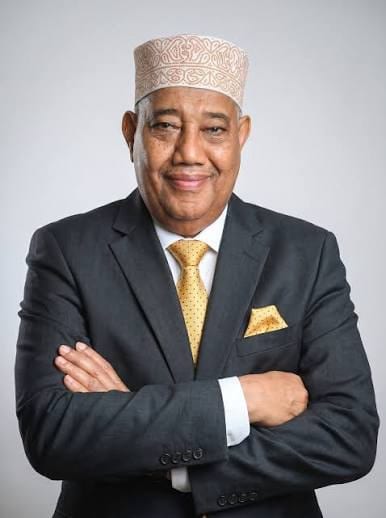
The three institutions refused the demand, leading to direct discussions with senior executives before the reported twenty four hour deadline was issued and allowed to expire without payment.
The DPP later approved charges against the bank chiefs under Section 5, read together with Section 44(2), of the Proceeds of Crime and Anti Money Laundering Act.
Section 44 requires financial institutions to monitor complex, unusual, large and suspicious transactions, including repeated transaction patterns that appear to have no clear lawful or economic purpose.
Once suspicion arises that a transaction could involve money laundering or proceeds of crime, the institution must submit a report to the Financial Reporting Centre within two days.
Section 5 makes the wilful failure to meet that reporting obligation a criminal offence, meaning the prosecution must prove more than the existence of disputed cheques or missing company money.
The case must identify the transactions that created suspicion, establish when the suspicion arose and show which person knowingly failed to report the matter within the required period.
The law places the reporting obligation on financial institutions, but criminal charges against individual chief executives require evidence connecting each person to the claimed failure.
The disputed transactions would ordinarily have passed through branch officers, operations teams, account managers, compliance departments and financial crime reporting structures before reaching the executive offices.
Corporate accounts are operated using mandates created by the company, specimen signatures provided by its directors and instructions presented by people authorised to transact on its behalf.
Directors and shareholders remain responsible for company controls, account reconciliations, audit records and the regular examination of statements showing how money is moving through their businesses.
Banks carry a separate responsibility to confirm instructions, monitor unusual transactions and report suspected criminal activity, creating different duties for the company and the financial institution.
The prosecution must now show where those duties were breached, whether suspicious transaction reports were filed and why the chief executives were charged instead of the officers who handled the accounts.
The case has brought Mudavadi’s private wealth into a criminal process involving one of his declared investment vehicles, another company director and the leaders of three major banks.
It has further placed attention on the sequence running from the discovery of the alleged theft, through repeated refund demands, to failed settlement meetings and the reported twenty four hour ultimatum.
DPP Renson Ingonga heads an office protected as an independent prosecution authority under Article 157 of the Constitution, with authority to institute and conduct criminal proceedings without direction from another person.
The court process will test whether the bank executives wilfully ignored suspicious transactions or whether the prosecution followed unsuccessful efforts to make their institutions refund money lost inside First Assurance Investment.
The former MCA remains accused of carrying out the theft and forgery, leaving the prosecution to explain how a case against one company director expanded into criminal charges against three bank chief executives.
The August 11 plea will formally place the bank chiefs inside a case involving Mudavadi’s declared investments, Timamy’s disputed signatures, Sh363 million in company money and a settlement deadline that ended without payment.
Last updated Aug 5