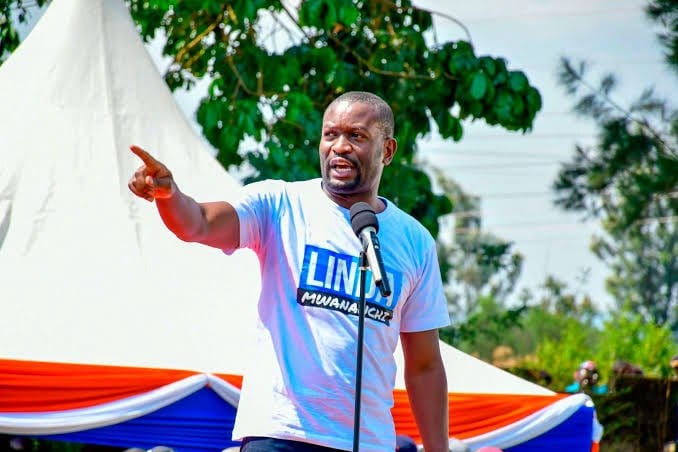
The Linda Mwananchi Movement’s decision to shut the media out of its National Delegates Conference raises questions about the democratic standards of a party claiming to represent ordinary citizens.
The conference, scheduled for Friday, November 13, is expected to formalise the transition from The Equitable Party (TEP) to Linda Mwananchi Movement and ratify a proposed leadership structure associated with Nairobi Senator Edwin Sifuna. Head of Communication Pauline Njoroge confirmed journalists would be barred.
This is not simply an internal strategy session. The National Delegates Conference (NDC) is the statutory forum expected to approve the party’s name change and key decisions. Closed doors leave members unable to independently assess how decisions are reached.
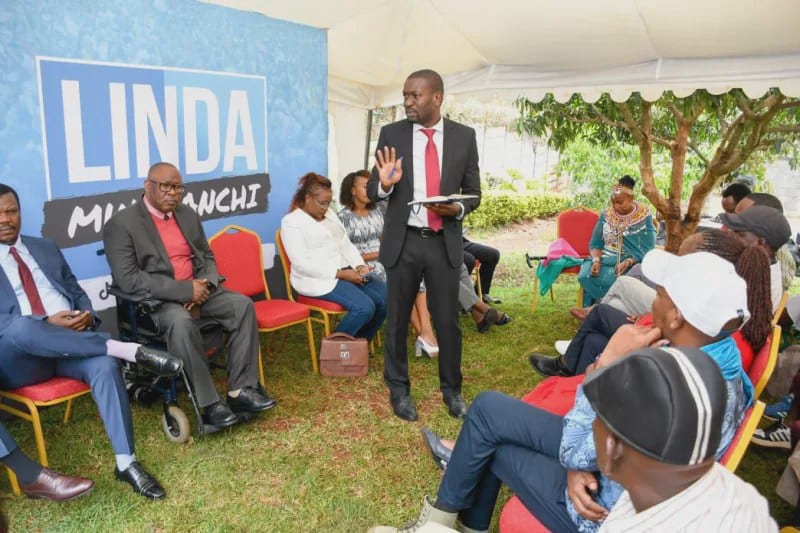
A Conference With Decisions Already Lined Up 
The movement says attendance will be restricted to designated delegates drawn from TEP members registered by the time the NDC notice was published. Each county has reportedly received a delegate allocation based on membership.
But the critical question is how those delegates were selected. A delegate system can provide legitimate representation when representatives emerge from transparent grassroots elections. It is far less convincing if members cannot establish whether delegates were elected, appointed or handpicked.
That concern is at the centre of a complaint filed by party member Emmanuel Willyngtone Khamala before the Political Parties Disputes Tribunal. He argues that branch and county structures were not established through grassroots elections, leaving the proposed delegates without a clear democratic mandate. He also challenges the appointment of senior officials without elections or adequate participation by registered members.
These remain allegations, not findings. The dismissal of an application seeking to stop the November 13 meeting cleared the immediate way for the conference to proceed. It should not be mistaken for a final ruling that every disputed appointment or delegate-selection process complied with party rules.
Sifuna’s Proposed Leadership Faces a Member Test 
Sifuna was unveiled as the proposed party leader during the movement’s October 30 launch. Former Meru Governor Kawira Mwangaza, former Law Society of Kenya president Faith Odhiambo and Mavoko MP Patrick Makau were presented as proposed deputies. Vihiga Senator Godfrey Osotsi was named chairperson, Suba South MP Caroli Omondi secretary-general, and Njoroge his proposed deputy. Trans Nzoia Governor George Natembeya was introduced as head of the presidential campaign.
Those proposed positions are expected to feature in Friday’s resolutions. But if the leadership slate has already been publicly announced, what meaningful choice will delegates exercise? Can they reject a nominee, propose an alternative, demand a secret ballot or amend the structure? Or will officials simply be read out and delegates asked to endorse decisions made elsewhere?
Ratification is not automatically democratic because delegates are present. It is meaningful only when they receive information, can question proposals and have an opportunity to vote against them without intimidation or procedural obstruction.
Media Blackout Deepens Transparency Concerns 
A media ban does not prove that the conference will be manipulated or that delegates will be denied a vote. Parties may hold private deliberations, and media access alone cannot guarantee internal democracy. But excluding independent observers removes a layer of public accountability when the legitimacy of the process is already disputed.
The movement has also kept the venue undisclosed. Combined with the media ban and delegate disputes, this leaves the public with little ability to assess the proceedings. The party should publish its delegate criteria, county allocations, agenda, voting procedures and adopted resolutions.
The tribunal complaint makes disclosure more urgent. Khamala alleges members were excluded from decisions shaping the leadership and that the conference could legitimise appointments made without their participation. Those claims must be tested through the proper process, but the organisers can address legitimate concerns through transparency.
A Test of the Movement’s Democratic Promise 
The Linda Mwananchi name invokes ordinary citizens. Its credibility will depend not on slogans or rally attendance but on whether registered members can influence decisions, choose leaders and hold officials accountable. A movement cannot convincingly promise wider participation if its foundational decisions appear to flow from the top down.
Sifuna and the organisers should demonstrate that delegates were selected under clear rules, nominations can be challenged, voting is genuine and resolutions will be published. They should also explain why journalists are excluded from a statutory conference that will shape the party’s identity and leadership.
Without those safeguards, Friday’s gathering risks being seen as a process for formalising decisions already made. The central question is not whether reporters enter the room, but whether members get a meaningful say before their leaders are settled.