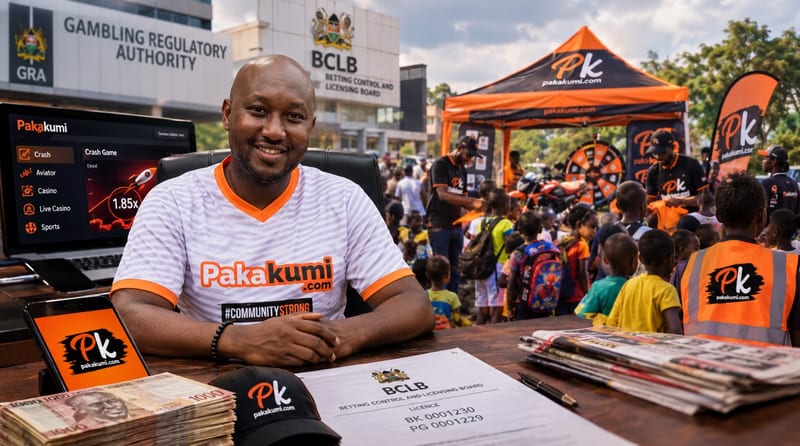
Betting platform Pakakumi, whose operations, ownership and promotional activities are already under investigation by the Gambling Regulatory Authority (GRA) and the Kenya Betting Control and Licensing Board (BCLB), has now embarked on a coordinated campaign of sponsored coverage across local tabloids dressed up as editorial content.
This follows an earlier exposé by this news outlet, which laid bare a series of grave issues surrounding the platform, among them questions over its ownership, with sources privy to the matter naming Morris Musyoka as the man who controls the betting operation from behind the scenes.
Pakakumi presents itself to the public as Kenya's leading online casino and multiplier crash game platform, operated by Reys and Meys Limited and described on its own promotional materials as fully licensed by the Betting Control and Licensing Board (BCLB) under licence numbers BK 0001230 and PG 0001229, credentials that appear across its marketing and which it continues to display across its marketing channels.
The platform runs a portfolio built around fast-paced multiplayer crash games, among them the Pakakumi Crash Game and Pakakumi Aviator, in which a multiplier climbs from 1x towards a ceiling of 3000x and players must cash out before the round busts.
It operates directly through mobile browsers without any application download, integrating with M-Pesa for instant deposits and withdrawals.
Its incentives to players are structured to keep money flowing into the platform, offering daily bonuses on first deposits, stake-back offers that return a portion of losses, weekly competitions with prize pools that range from cash sums to physical goods, and an affiliate programme paying commissions of up to 30% for every new punter brought in through a referral link.
The most conspicuous of these inducements is the weekly cash race, whose rewards have extended beyond money to include high-value consumer goods such as a motorbike, a prize that carries obvious appeal in a market where the platform's core users are drawn from ordinary Kenyan households.
Despite the enormous pipeline of cash running through its accounts, with deposits reported to exceed KSh 350 million every month, the platform finds itself struggling to settle its obligations to staff, keep its licence in good standing, and resist the temptation to take its promotions into places where children are gathered.
Its roadshows are the most visible of those promotions, taken into open-air settings and community gatherings where minors are routinely present, and on some of those occasions, merchandise such as reflective items handed out to children whom the betting firm has no business courting.
That conduct has left other players in Kenya's gaming industry stunned, because the rules governing how betting operators may promote themselves are well known within the trade, and the prohibition on roadshows is among the clearest of them.
"Betting roadshows are not even allowed in this country under the 2026 advertising regulations. If this were any other operator, we would have been shut down and prosecuted. Nobody understands why this one is being allowed to run," said an insider within the industry, who spoke to this publication on condition of anonymity.

Sources privy to the matter say the platform is battling persistent licensing difficulties, and that its operators have resorted to questionable methods to remain in the market while its application under the new regulatory framework hangs in the balance.
Insiders have revealed that Morris Musyoka is furious over the prospect of losing access to the business and the revenue it generates, and that the intensity of his reaction has less to do with any concern for the punters who deposit that money than with the lifestyle it funds and the standing it confers.
There are also reports concerning the treatment of staff, whose terms of engagement are described as punishing, with targets revised without consultation and dues withheld once they are shown the door.
We are reliably informed that this is a pattern rather than an isolated case, since the same complaints often surface across successive batches of employees who are hired, pushed to work hard and then unfairly dismissed without payments owed to them.
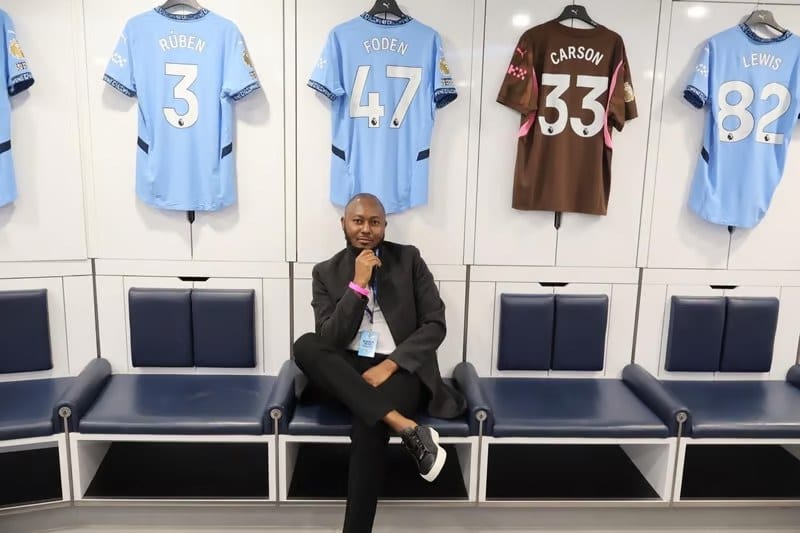
As the investigation into the platform's licensing position and its conduct continues, the attention of Kenyans and stakeholders in the wider betting industry now turns to the GRA and BCLB.
Questions that remain unanswered include how a platform whose renewal has been blocked continues to take deposits from the public, why the complaints raised by former staff have not been addressed, and what action the regulator intends to take against an operator that has been accused of breaching the rules governing betting promotions in this market.
Other players in the industry continue to watch with disbelief, because the rules are clear, the regulator holds the power to enforce them, and the platform at the centre of these complaints continues to operate as though none of it applies to it.
We will continue to follow this story closely as it develops and bring our readers updates on every turn it takes.
Are you a current or former Pakakumi employee with information about the company's treatment of its staff?
Do you have inside information about the platform's operations, its dealings with players and promotional activities?
Feel free to reach out to us and share information that could help shed more light on the matter as we seek to establish the full picture of how this platform runs, who controls it, and why it keeps operating outside the law of licensing while toothless regulators turn a blind eye.
To the tabloids that have abandoned the very craft they claim to uphold in favour of paid coverage for Pakakumi, the record speaks for itself.
By dressing promotional material as news, these outlets have blurred the line between journalism and advertising at a time when the betting platform is facing tough questions.
Journalism exists to interrogate power, expose misconduct and inform the public, not to serve as a public relations arm for those willing to pay to disguise commercial propaganda as independent reporting.
These outlets have a duty to inform the public independently, but chose instead to put a price on their pages and mortgage their credibility for a cheque, trading the trust of their readers for the commercial interests of a betting platform whose conduct demands answers.
Readers now know which outlets chose a cheque over their duty to tell the truth, and which were willing to sacrifice their credibility to serve the commercial interests of a betting platform. No amount of paid coverage can disguise that betrayal or restore the public trust they have so readily squandered.