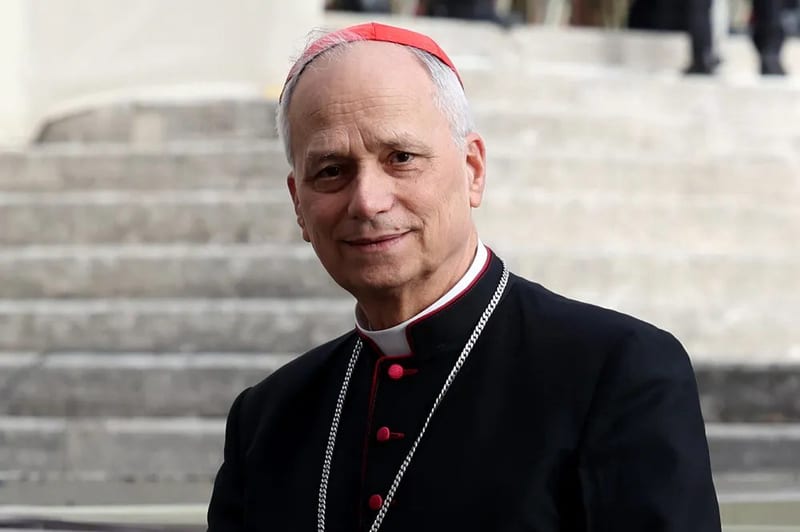
The Vatican has confirmed that Pope Leo XIV has been diagnosed with lung cancer following surgery to remove the lower lobe of his right lung, raising fresh concerns about the 71-year-old pontiff’s health and upcoming public engagements.
The operation was performed at Rome’s Gemelli Hospital after doctors detected a suspicious lung nodule during recent medical examinations. Although the procedure was reported to have been successful, the diagnosis has left critical questions unanswered, including whether the cancer has spread and whether the Pope will require additional treatment.
His recovery could also determine whether a planned November visit to South America proceeds.
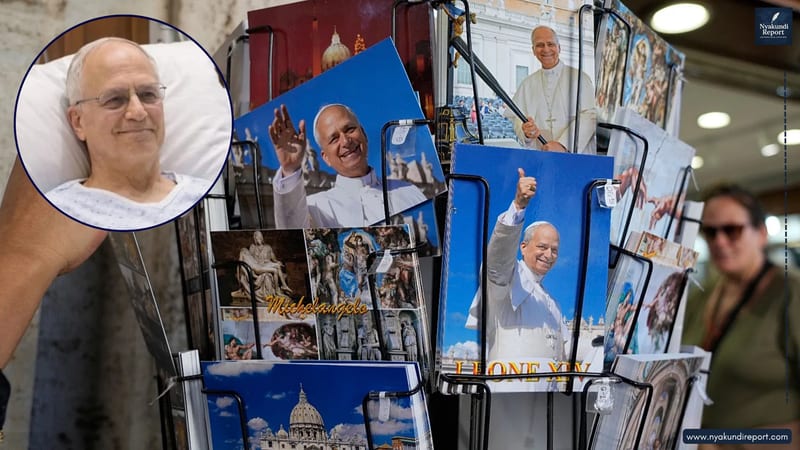
Pope Leo XIV’s Cancer Diagnosis Raises Questions About His Recovery 
The Vatican announced the diagnosis on Tuesday, October 13, following an operation at Rome’s Gemelli Hospital, where the Pope had been admitted earlier that day.
According to a medical bulletin, the procedure lasted approximately 90 minutes and was completed without reported complications. Pope Leo XIV regained consciousness after the operation and was resting in his hospital room.
Doctors removed the lower lobe of his right lung after identifying a growth during recent medical examinations. Tissue testing conducted during the operation confirmed earlier suspicions that the growth was cancerous.
The diagnosis was identified as adenocarcinoma, a common form of lung cancer that develops in glandular cells, including those responsible for producing mucus in the lungs.
The Vatican has not disclosed the size of the tumour or confirmed whether cancer cells were detected in nearby lymph nodes. It has also not announced whether the Pope will require chemotherapy, radiotherapy or other treatment following surgery.
These unanswered questions will be central to understanding the severity of the diagnosis and the likely duration of his recovery.
Lung Nodule Discovered During Recent Medical Examinations 
The cancer diagnosis followed an announcement by Pope Leo XIV on Sunday, October 11, when he revealed that doctors had detected a small nodule in his lung.
At the time, the Pope indicated that the growth had been discovered early and was well-localised. However, the Vatican had not confirmed whether it was cancerous.
Doctors subsequently recommended surgery to remove the nodule, leading to the procedure that resulted in the adenocarcinoma diagnosis.
Lung adenocarcinoma is a subtype of non-small cell lung cancer that begins in cells lining the airways or other parts of the lung. Its outlook varies depending on factors such as the tumour’s size, the stage at diagnosis, whether it has spread and the patient’s overall health.
The removal of the affected lung lobe may be part of treatment intended to eliminate the cancer, but the available information does not establish whether surgery alone will be sufficient in the Pope’s case.
Without further details about the tumour and lymph nodes, it remains too early to determine the long-term implications of his diagnosis.
The Vatican is expected to provide further information as doctors assess his recovery and determine whether additional treatment is necessary.
November South America Visit Faces Uncertainty 
The diagnosis has also raised questions about Pope Leo XIV’s planned visit to South America in November.
The Vatican has not confirmed whether the trip will proceed, leaving the schedule dependent on his recovery and medical advice.
The Pope’s health is particularly significant because his responsibilities extend beyond religious ceremonies to diplomatic engagements, meetings with world leaders and the administration of the Roman Catholic Church.
The Church has approximately 1.4 billion members worldwide, making the pontiff’s health a matter of international concern.
Before the announcement, Pope Leo XIV was not widely known to have experienced major health problems. His cancer diagnosis therefore marks a significant development during his papacy.
For now, the immediate priority is his recovery from surgery. Any decision regarding his upcoming engagements will depend on his condition and the medical team’s assessment of whether he can safely resume his duties.
Catholic Leaders Call For Prayers As Pope Recovers 
The announcement has prompted calls for prayers from Catholic leaders and communities, with Bishop Michael W. Fisher, the 15th Bishop of Buffalo in New York, urging Catholics and people of goodwill to support the pontiff.
In a statement, Fisher invited Catholics across Western New York and others to pray for Pope Leo XIV as he confronts the illness.
He expressed confidence that the Pope was receiving the best possible care while acknowledging that many people worldwide face similar medical challenges without access to quality healthcare.
The bishop also commended the Pope and others dealing with disease and sickness to God, asking for healing in mind, body and spirit.
His message broadened the focus beyond the pontiff’s personal health to the millions of people who confront cancer and other serious illnesses, often under difficult circumstances.
As Pope Leo XIV remains under medical care, attention will centre on his recovery, the possibility of further treatment, and the future of his planned public engagements.
The successful completion of surgery offers an important starting point, but the extent of the cancer and the treatment required remain unclear. Those details will ultimately determine what comes next for the pontiff and the Vatican.