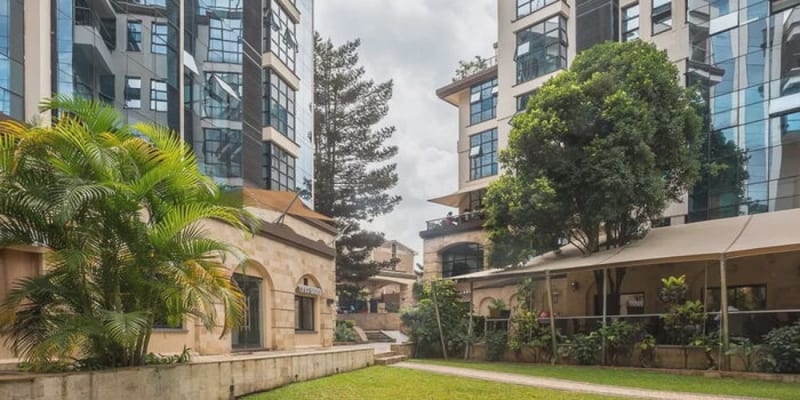
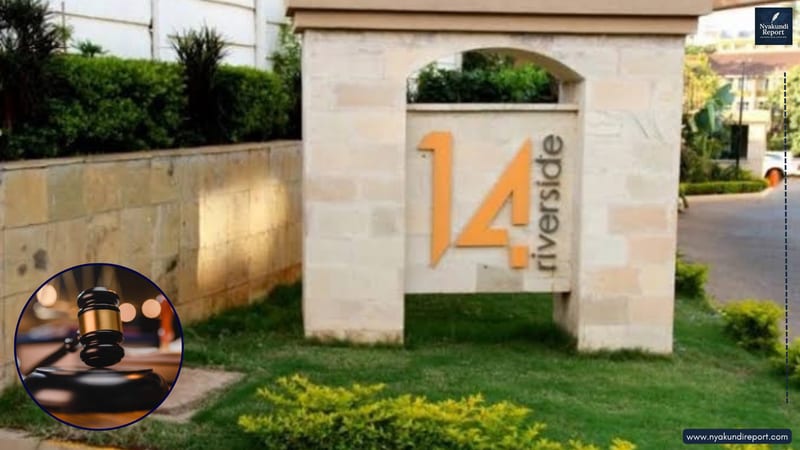
The High Court has stopped the planned auction of a property at Nairobi's 14 Riverside Drive complex after finding that the process used to facilitate the sale was defective and invalid.
Justice Moses Ado ruled in favour of Cape Holdings, setting aside the warrants and auction notices that had paved the way for the property's sale following a long-running commercial dispute with Synergy Industrial Credit Limited.
The court also rejected an objection by Synergy challenging its jurisdiction and ordered allegations made by the company against the court to be expunged from the record.
The ruling halts the planned auction but does not bring the wider commercial dispute between the two companies to an end.
Court Cancels Auction Process 
Justice Ado found that the procedures followed in preparation for the intended auction did not meet the required legal standards.
As a result, the court set aside the warrants and auction notices that had authorized the process, effectively stopping the planned sale of the property at the 14 Riverside Drive complex.
The decision gives Cape Holdings relief against the immediate threat of an auction while leaving the parties to pursue the underlying dispute through the appropriate legal channels.
The court further directed that any fresh attempt to auction the property must comply with its directions.
One of the key requirements is that the reserve price for the property must be determined by the court. This means that the previous auction process cannot simply be revived using the existing warrants or notices.
Any party seeking to proceed with a sale will have to begin the process afresh and comply with the requirements set out by the High Court.
The ruling also addressed an objection raised by Synergy regarding the court's jurisdiction to hear the matter.
Justice Ado dismissed the objection, allowing the court to determine the challenge brought by Cape Holdings against the auction process. The judge additionally ordered that allegations made by Synergy against the court be removed from the court record.
Dispute Began With Sh577 Million Deposit 
The commercial dispute between Cape Holdings and Synergy Industrial Credit dates back to 2010 and arose from a property transaction involving an office block within the Riverside development.
Synergy had paid approximately KSh577 million as a deposit towards the purchase of the office property.
The transaction subsequently collapsed, leading to a disagreement over the fate of the money paid and responsibility for the failure to complete the deal. Synergy sought a refund of the amount, arguing that delays in completing the development had frustrated the agreement.
Cape Holdings disputed the claim and maintained that the delays were partly caused by design changes requested by Synergy. The competing positions eventually turned the failed property transaction into a prolonged commercial dispute.
As the disagreement continued, efforts were made to recover the disputed funds through the sale of the property.
The proposed auction became another major stage in the dispute, with Cape Holdings challenging the legality of the procedures used to facilitate the intended sale.
The company argued that the process had failed to comply with applicable legal requirements and asked the court to intervene before the property could be auctioned.
The High Court has now agreed with the challenge on the validity of the auction process.
Fresh Auction Must Follow Court Directions 
The ruling means the immediate auction of the property cannot proceed on the basis of the warrants and notices that Justice Ado has set aside. However, the decision does not determine the ultimate financial dispute between Cape Holdings and Synergy Industrial Credit.
The underlying disagreement over the property transaction, the KSh577 million deposit, and the circumstances surrounding the failed deal remains separate from the court's finding on the defective auction process.
This distinction is important because the High Court's decision deals with the validity of the steps taken to facilitate the intended auction rather than finally determining which company is entitled to the disputed funds.
A fresh auction, if pursued, will therefore have to comply with the legal requirements and the specific directions issued by the court.
The requirement that the reserve price be determined by the court will also shape any future attempt to sell the property.
The decision could prolong the commercial dispute between the two companies, which has already lasted more than a decade.
The case demonstrates the legal and financial complications that can arise when major property transactions collapse and parties disagree over responsibility for delays, deposits and contractual obligations.
For Cape Holdings, the ruling prevents the property from being sold through the auction process that was challenged before the High Court.
For Synergy, the decision does not end its underlying claim or resolve the broader dispute over the failed transaction. Instead, the ruling resets the auction process and requires any future attempt to dispose of the property to follow a fresh procedure under the court's supervision.
The High Court's decision therefore brings the planned sale to a halt while leaving the wider commercial battle between Cape Holdings and Synergy Industrial Credit unresolved.
Any subsequent auction will have to begin afresh and comply with the court's directions, including the requirement for the reserve price to be fixed by the court.