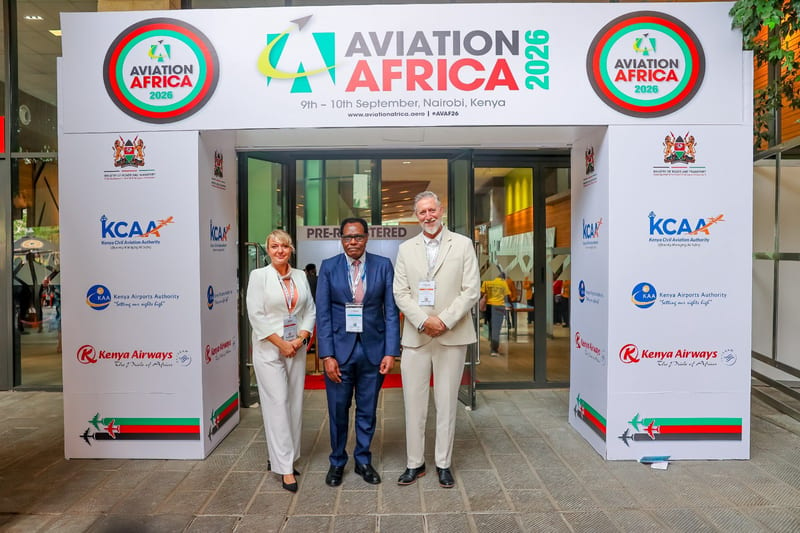
African travellers could have access to cheaper flights and more direct routes if countries across the continent open their aviation markets to greater competition, with 748 Air Services calling for full implementation of open skies to make it easier for airlines to enter new markets and expand connections.
The airline made the call at the Aviation Africa Summit & Exhibition 2026 in Nairobi, where industry leaders examined how removing restrictions on market access could allow airlines to serve more destinations, expand route networks and give passengers greater choice.
Open skies refers to aviation policies that give airlines greater freedom to operate between countries, add routes and compete for passengers without restrictive rules limiting market access.
Moses Mwangi, Managing Director of 748 Air Services, said Africa's aviation sector has the potential to support much stronger connections between countries, but restrictive market access rules continue to make travel between African cities unnecessarily difficult and expensive.
“Africa has enormous aviation potential, but unlocking it requires us to look differently at how our markets are connected. Greater openness can create room for more routes, stronger competition and ultimately greater choice for passengers,” said Mwangi.
Africa's aviation market remains underdeveloped relative to its population, economic potential and growing demand for business, tourism and leisure travel.
Limited connections between African cities can leave passengers with longer journeys and higher fares, with some travellers forced to transit through destinations outside the continent before reaching neighbouring countries.
Mwangi said the cost of flying is also shaped by expenses across the aviation sector, from airport charges and infrastructure to regulation and the cost of operating individual routes.
“Affordable air travel is a function of the entire aviation ecosystem. Competitive airport charges, efficient infrastructure, predictable regulation and policies that encourage connectivity all have a role to play. When the cost of operating a route is high, ultimately that cost finds its way into the ticket price,” Mwangi said.
Prime Cabinet Secretary Musalia Mudavadi, addressing delegates at the Summit, pointed to the continued difficulty of travelling between some African countries without connecting through destinations outside the continent.
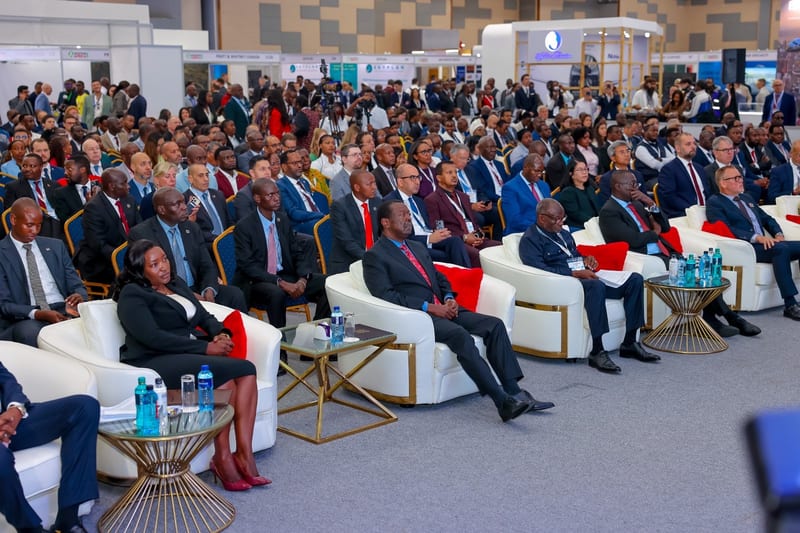
He reiterated Kenya's commitment to implementing the Single African Air Transport Market (SAATM), while calling for greater cooperation on harmonised regulations, mutual recognition of standards, safety oversight, open skies and investment in aviation infrastructure.
SAATM is intended to give African airlines greater access to markets across the continent, allowing carriers to establish routes with fewer restrictions and build networks around passenger demand.
Greater implementation of SAATM could change the economics of intra African travel by giving airlines more opportunities to serve markets outside their home countries and creating stronger competition between carriers.
For passengers, that could mean more direct connections, greater choice of airlines and potentially lower fares as carriers compete for travellers on routes that are currently underserved.
“Africa cannot have a truly integrated economy if it remains difficult or expensive to fly from one African city to another. Trade, tourism and investment all depend on connectivity. Aviation therefore has an important role to play in Africa’s wider economic integration,” said Mwangi.
Improved air links would also make it easier for traders, small and medium sized businesses, tourism operators, manufacturers and professionals to move people and goods across borders.
Africa's expanding middle class, tourism industry, intra African trade and business activity provide a growing market for aviation, provided airlines can operate within an environment that allows them to expand their networks and compete.
“This is an important moment for African aviation. The demand and economic opportunity are there. What is needed is an enabling environment that allows the industry to grow, compete and connect more Africans,” said Mwangi.
The Nairobi Summit also gave 748 Air Services an opportunity to engage with aviation suppliers and technology companies on developments affecting airline operations.
Among the companies at the event was DOTAS Aviation, which recently supported 748 Air Services with the retrofit of LED cabin lighting on its aircraft, a move aimed at improving energy efficiency and the cabin environment.
The engagement also provided an opportunity for the airline to discuss emerging aviation technologies and their role in improving aircraft efficiency, sustainability and passenger experience.
748 Air Services said its participation in the Summit provided an opportunity to strengthen relationships with industry partners, exchange knowledge and engage with developments shaping the future of aviation.
The discussions come as African aviation continues to grapple with the cost of operating routes, limited market access and uneven connectivity between major cities, factors that have kept air travel within the continent relatively expensive for many passengers.
For 748 Air Services, expanding access between African markets is not only an aviation issue but also part of the wider effort to make movement of people, goods and capital across the continent easier and more affordable.
It provides passenger and cargo services to the humanitarian, natural resource and government sectors and has more than three decades of operational experience.
Through its domestic scheduled service, fly748.com, the airline operates flights from Jomo Kenyatta International Airport (JKIA), Terminal 2, to Mombasa and Ukunda (Diani).